Global Vaporizers, E-Cigarettes, And Other Electronic Nicotine Delivery Systems (ENDS) Market Trends And Forecast Report 2022

Market
Jul.04.2022

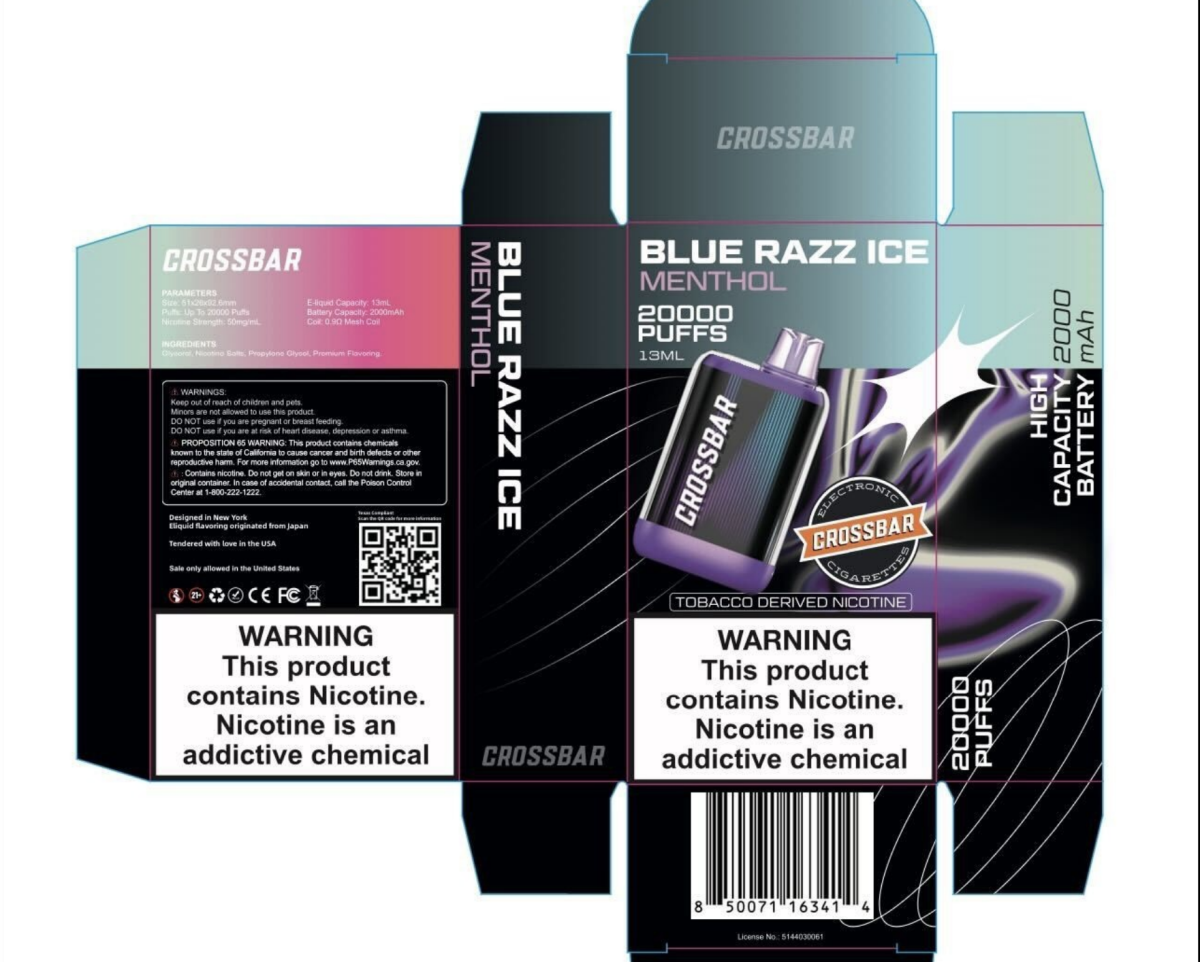
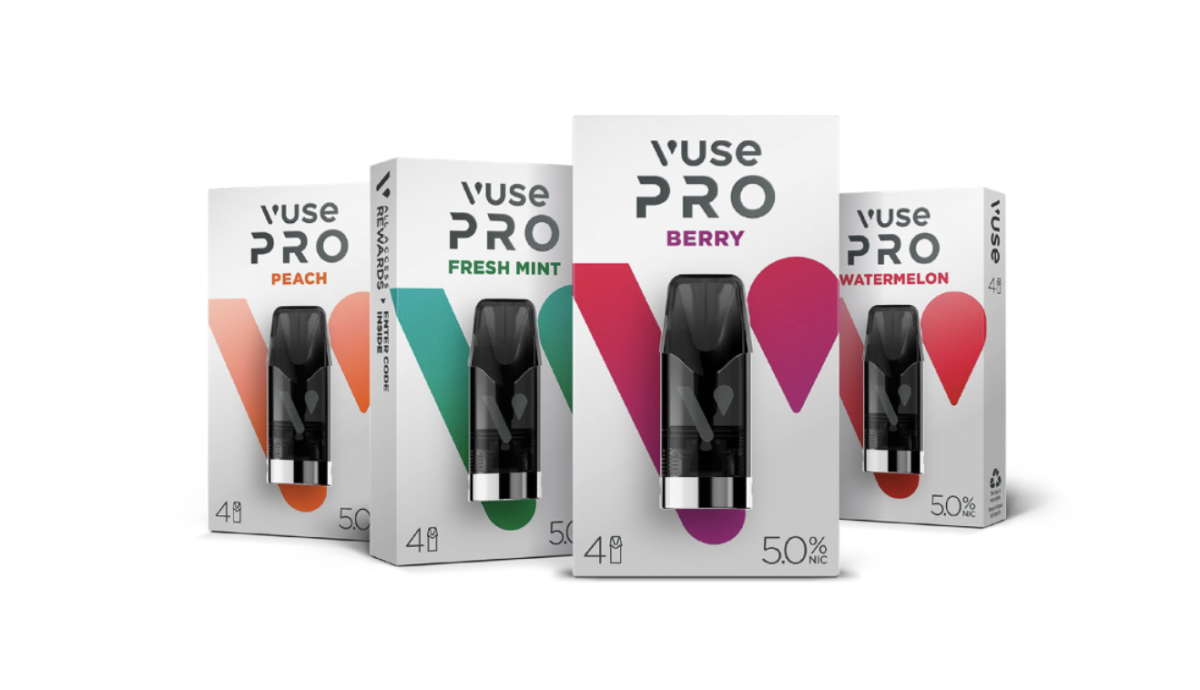
The global vaporizers, e-cigarettes, and other electronic nicotine delivery systems (ENDS) market size is expected to grow from $19.92 billion in 2021 to $25.03 billion in 2022 at a compound annual growth rate (CAGR) of 25.6%.The growth in the market is mainly due to the companies resuming their operations and adapting to the new normal while recovering from the COVID-19 impact, which had earlier led to restrictive containment measures involving social distancing, remote working, and the closure of commercial activities that resulted in operational challenges. The Vaporizers, E-Cigarettes, and other ENDS market is expected to reach $55.99 billion in 2026 at a CAGR of 22.3%.


The Business Research Company offers the Vaporizers, E-Cigarettes, And Other Electronic Nicotine Delivery Systems (ENDS) Global Market Report 2022 in its research report store. It is the most comprehensive report available on this market and will help gain a truly global perspective as it covers 60 geographies. The regional and country breakdowns section gives an analysis of the market in each geography and the size of the market by region and by country. It also compares the market's historic and forecast growth, and highlights important trends and strategies that players in the market can adopt.


The vaporizers, e-cigarettes, and other Electronic Nicotine Delivery Systems (ENDS) market consists of sales of vaporizers, e-cigarettes, and other electronic nicotine delivery systems. These are used for inhaling the active ingredients of plant material such as tobacco, or other herbs or blends.


Some key vaporizers, e-cigarettes, and other electronic nicotine delivery systems (ends) market players are Dash Vapes, Hubbly Bubbly, Liquideu, Nice Vapor, Pacific Smoke International.


The countries covered in the global vaporizers, e-cigarettes, and other electronic nicotine delivery systems (ends) market are Argentina, Australia, Austria, Belgium, Brazil, Canada, Chile, China, Colombia, Czech Republic, Denmark, Egypt, Finland, France, Germany, Hong Kong, India, Indonesia, Ireland, Israel, Italy, Japan, Malaysia, Mexico, Netherlands, New Zealand, Nigeria, Norway, Peru, Philippines, Poland, Portugal, Romania, Russia, Saudi Arabia, Singapore, South Africa, South Korea, Spain, Sweden, Switzerland, Thailand, Turkey, UAE, UK, USA, Venezuela, Vietnam.


The regions covered in the global vaporizers, e-cigarettes, and other electronic nicotine delivery systems (ends) market are Asia-Pacific, Western Europe, Eastern Europe, North America, South America, Middle East, Africa.


Vaporizers, E-Cigarettes, And Other Electronic Nicotine Delivery Systems (ENDS) Market Segmentation:

By Type

1. Vaporizers

2. E-Cigarettes

3. Other Electronic Nicotine Delivery Systems (ENDS)


By E-Cigarettes Type

1. Disposable

2. Rechargable

3. Modular


By Vaporizers Type

1. E-Cigarette Vaporizers

2. Marijuana Vaporizers

3. Medical Vaporizers


The content excerpted or reproduced in this article comes from a third-party, and the copyright belongs to the original media and author. If any infringement is found, please contact us to delete it. Any entity or individual wishing to forward the information, please contact the author and refrain from forwarding directly from here.


AHA Journal Study: WS-23 Triples Premature Heartbeats, Raising Concerns Over Vape Cooling Agents
A University of Louisville research team published a study in an American Heart Association journal suggesting that synthetic cooling agents used in e-cigarettes, including WS-3 and WS-23, may disrupt cardiac electrical activity and increase arrhythmia risk. In animal experiments, WS-23 tripled premature heartbeats.
Jun.16
Vape Vending Machine Concerns Rise in German-Speaking Europe as Schools and Age Checks Come Into Focus
Recent reports from Germany and Switzerland show growing concern over vape and tobacco vending machines near schools or in public settings, with parents, teachers and residents questioning youth access, age-verification controls and the sale of vapes alongside snacks and drinks.
Jul.06
Altria Smokeable Profit Rises 2.4% as Marlboro Share Falls and U.S. Discounts Gain
Altria’s second-quarter results show a U.S. nicotine market splitting across price, product and regulation. Smokeable profit rose 2.4% as Marlboro pricing offset lower volumes, while discount brand Basic gained share among value-conscious smokers. In oral nicotine, on! PLUS expanded distribution but faced intensifying competition from ZYN and Velo. NJOY remained off the market as patent and regulatory hurdles delayed its return. The broader lesson: U.S. growth increasingly depends on price-tier strategy, retail execution, authorisation and enforcement readiness across the industry.
Special Report
Jul.31
WIRED Investigation: Chinese-Made Vapes Turn to 6-Methyl-Nicotine and Other Analogs, Challenging U.S. Regulation
U.S. technology and investigative publication WIRED has examined how nicotine analogs are emerging as a new challenge for the country’s vape regulatory framework. The article argues that after the U.S. expanded federal oversight of nicotine products in 2022, some manufacturers began using nicotine-like compounds such as 6-methyl-nicotine that may fall outside existing definitions. Researchers cited by WIRED said some nicotine analogs could be more potent than traditional nicotine, although human health impacts remain unclear. U.S. policymakers are considering broader definitions of nicotine to bring these compounds under federal oversight.
Jul.27
South Korean Lawmaker Jeong Jin-wook Pushes Synthetic Nicotine Vape Probe, Highlighting Supply Chain and Tax Concerns
South Korean lawmaker Jeong Jin-wook has again called for stronger government action against liquid synthetic nicotine vape manufacturers and sellers, alleging that some businesses may have avoided regulation through product labeling changes and corporate restructuring. According to Newsworks, JNILBO and other Korean reports, Jeong has held his third press conference on the issue, calling for a government-wide investigation. The dispute involves whether synthetic nicotine products should fall under tobacco regulations, tax implications and supply-chain transparency. South Korean government agencies have previously said some estimates of potential tax losses cannot be verified due to limited sales data.
Jul.27
How AI Is Rewriting the Talent Playbook for the Nicotine Industry: JTI’s Case
AI is moving from a back-office tool to a core organizational capability in the nicotine industry. Based on JTI’s responses, this 2Firsts feature examines how AI is reshaping talent strategy, internal mobility, decision-making and human accountability as global tobacco companies compete in the shift toward new nicotine categories.
Jun.17