Harmful Effects of E-cigarettes on Health in Argentina

Regulations by 2FIRSTS.ai
Dec.26.2023
Harmful Effects of E-cigarettes on Health in Argentina
According to El Marplatense, despite the ban on e-cigarettes in Argentina, their use remains prevalent and harmful.

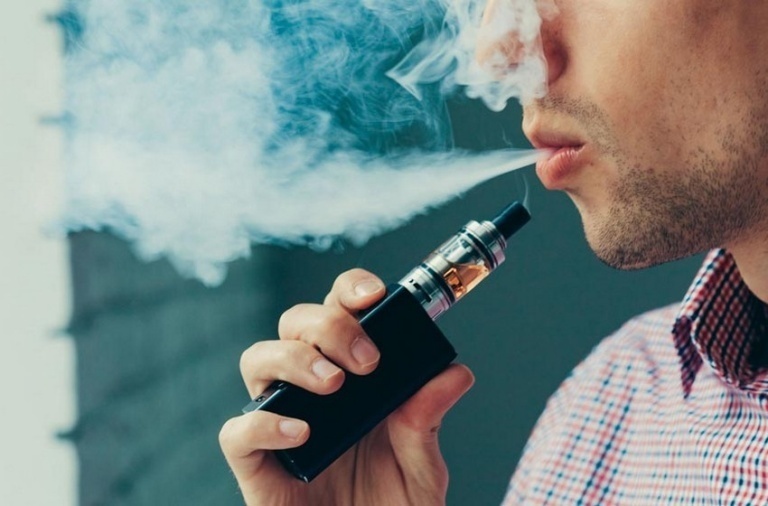
According to a report by El Marplatense on December 25th, the Argentine National Medicines Administration (ANMAT) has forbidden the importation, distribution, sale, and promotion of e-cigarettes since 2011. However, the use of e-cigarettes is firmly established among smokers who believe it to be a healthier alternative to traditional smoking.


Health expert Fortina, in an interview with UPM on Mitre Mar del Plata radio station, details that originally, e-cigarettes were used as a supplement for smoking cessation until smokers kicked the habit. "However, people have been using e-cigarettes continuously, and of course, it is just as harmful as smoking. It can cause cardiovascular events, lung damage, high blood pressure, severe pneumonia accompanied by respiratory failure, and even death. It can also trigger oral, mouth, and throat cancers."


Experts explain that, "There are some very important aspects in smoking cessation treatment, one of which is addiction itself, mediated by neurotransmitters, which are chemical substances in our brain that have a continuous supply-demand relationship. In this vicious cycle, it demands from you, gives you a sense of satisfaction, and then demands again. Another very important part is the behavioral aspect, such as what you hold in your hand, smoking after dinner, smoking after getting in a car. These habits related to behavior must be addressed in a different way.


According to a study, 37% of adolescents in American middle schools have tried smoking e-cigarettes and marijuana-infused e-cigarettes. This proportion has seen a significant increase among teenagers, with more severe consequences for their well-being.


We welcome news tips, article submissions, interview requests, or comments on this piece.

Please contact us at info@2firsts.com, or reach out to Alan Zhao, CEO of 2Firsts, on LinkedIn


Notice

1.  This article is intended solely for professional research purposes related to industry, technology, and policy. Any references to brands or products are made purely for objective description and do not constitute any form of endorsement, recommendation, or promotion by 2Firsts.

2.  The use of nicotine-containing products — including, but not limited to, cigarettes, e-cigarettes, nicotine pouchand heated tobacco products — carries significant health risks. Users are responsible for complying with all applicable laws and regulations in their respective jurisdictions.

3.  This article is not intended to serve as the basis for any investment decisions or financial advice. 2Firsts assumes no direct or indirect liability for any inaccuracies or errors in the content.

4.  Access to this article is strictly prohibited for individuals below the legal age in their jurisdiction.


Copyright


This article is either an original work created by 2Firsts or a reproduction from third-party sources with proper attribution. All copyrights and usage rights belong to 2Firsts or the original content provider. Unauthorized reproduction, distribution, or any other form of unauthorized use by any individual or organization is strictly prohibited. Violators will be held legally accountable.

For copyright-related inquiries, please contact: info@2firsts.com


AI Assistance Disclaimer


This article may have been enhanced using AI tools to improve translation and editorial efficiency. However, due to technical limitations, inaccuracies may occur. Readers are encouraged to refer to the cited sources for the most accurate information.

We welcome any corrections or feedback. Please contact us at: info@2firsts.com

WIRED Investigation: Chinese-Made Vapes Turn to 6-Methyl-Nicotine and Other Analogs, Challenging U.S. Regulation
U.S. technology and investigative publication WIRED has examined how nicotine analogs are emerging as a new challenge for the country’s vape regulatory framework. The article argues that after the U.S. expanded federal oversight of nicotine products in 2022, some manufacturers began using nicotine-like compounds such as 6-methyl-nicotine that may fall outside existing definitions. Researchers cited by WIRED said some nicotine analogs could be more potent than traditional nicotine, although human health impacts remain unclear. U.S. policymakers are considering broader definitions of nicotine to bring these compounds under federal oversight.
Jul.27
InterTabac 2026: First conference program highlights now available online
With three months to go before the international tobacco and nicotine industry gathers again in Dortmund, InterTabac, together with NUBIZ and InterSupply, is set to bring around 800 exhibitors from across the globe to eleven exhibition halls. The three events will showcase innovation, market trends and industry networking, while the first conference program highlights are now online, offering trade visitors keynotes, panel discussions and masterclasses to support business decision-making.
Events
Jun.22
Oral Thin-Film Technology Firm CTT Pharma Eyes U.S. Nicotine Product Trials
CTT Pharmaceutical Holdings said it has signed a letter of intent with a U.S. company to conduct clinical trials and testing for several potential nicotine products using its patented oral thin-film technology.
Jun.18
China Discloses First Criminal Case Over Counterfeit Vapes Disguised as “Medical Nebulizers” and “Zero-Nicotine” Products
Chinese authorities have disclosed the country’s first reported criminal case involving counterfeit vapes marketed as “medical nebulizers” and “zero-nicotine” products. Authorities determined that the products involved were counterfeit vapes and pursued criminal charges for producing and selling counterfeit goods. According to the report, the case resulted in the seizure of 347,000 counterfeit vape pods and 53,700 vape devices, with physical goods valued at 22.13 million yuan.
Aug.04
FIFA Bans Vaping in 2026 World Cup Stadiums, Putting Nicotine Rules in Event Compliance Focus
FIFA’s 2026 World Cup stadium rules prohibit smoking, vaping and the use of any tobacco products or electronic smoking devices inside stadiums, including inner and outer perimeters, while electronic smoking devices, tobacco products, lighters and matches are listed as prohibited items, bringing nicotine-product management, venue compliance and cross-border legal differences into focus at a major global sporting event.
Jul.06
Dutch NVWA Seizes Record 277,000 Illegal Vapes; Video Shows “AL FAKHER” Cartons
The Dutch Food and Consumer Product Safety Authority, known as the NVWA, seized more than 277,000 illegal vapes near Rotterdam and nearly 150,000 boxes of nicotine pouches in Utrecht and Rotterdam, calling them the largest batches of such products it has found to date. Video footage released by the NVWA shows some cartons in the warehouse bearing the “AL FAKHER / الفاخر” name, though the agency did not identify brands.
Jul.10