As students return to school this month, health advocates and medical experts are reminding parents and teenagers that e-cigarettes or vapes are harmful. The latest data from Utah state suggests that efforts aimed at curbing the use of these products may have a positive impact.
I believe that parents, communities and schools are sending a message and that prevention plans are working in preventing teenage use of electronic cigarettes," said Sharon Jensen, student support services counselor for the Jordan School District. She is dedicated to addressing issues of drug abuse in the area and is also a member of the state education committee's Safe and Drug-Free Schools Workgroup.
New data from a statewide SHARP survey shows a sharp decrease in e-cigarette use among eighth, tenth, and twelfth grade students over the past two years. In 2019, 12.4% of teenagers reported using e-cigarettes, while last year that number was just under 7.8%.
All trends are decreasing," said Sharon Jensen. "But it's not until it hits the bottom that we'll be truly satisfied.
The best way to quit smoking is to never start smoking," said Dr. Denitza Blagev, a lung disease expert at Intermountain Healthcare.
Upon hearing this news of decline, she was surprised because she had been seeing patients with lung injuries related to e-cigarettes. Her research also shows that e-cigarettes not only damage the lungs. "We did find that 39% of patients with e-cigarette-related lung injuries had cognitive impairment one year later," she said. The average age of these patients was 30 years old.
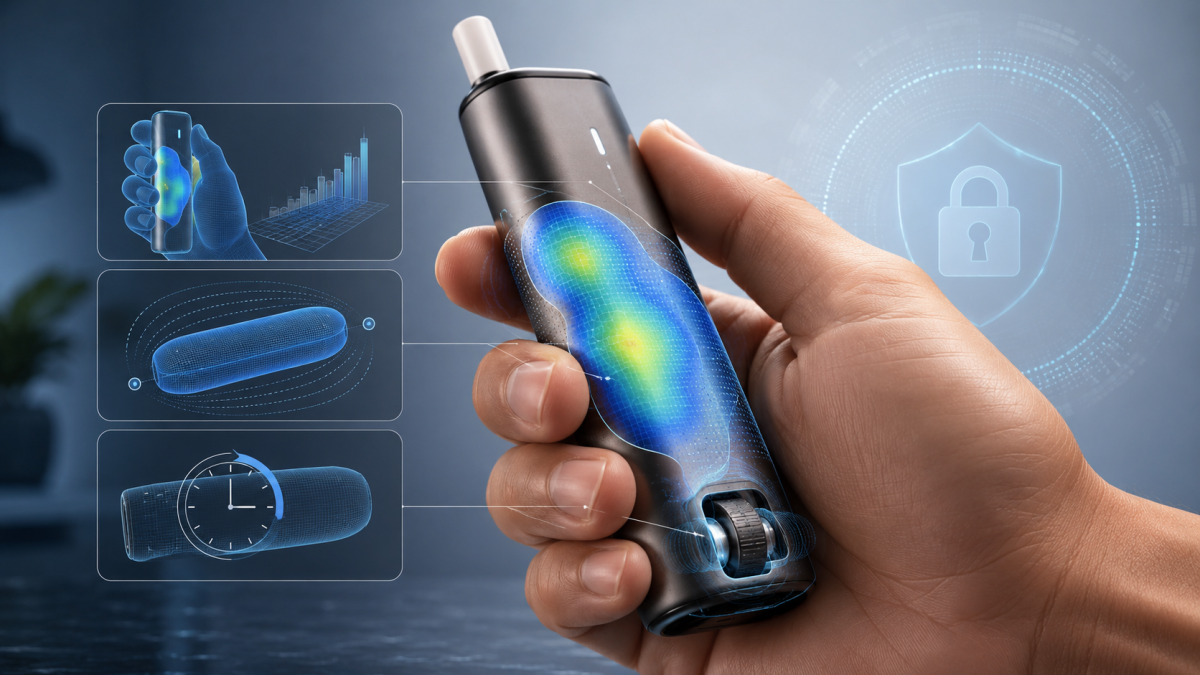
Parents should be wary of unknown objects that look like pens or USB drives but are actually electronic cigarette devices. These devices typically emit a fruity scent as well.
Sometimes children use these things to cope with anxiety," said Bragov.
Health experts unanimously agree that prevention begins with open communication between parents and children.
I believe that all of us are helping young people realize that no, this is not a safe alternative to smoking. It's smoking in a different form," says Jensen.
Statement:
This article has been compiled from third-party information and is intended solely for industry communication and learning purposes.
This article does not represent the views of 2FIRSTS and we cannot confirm the truth or accuracy of its contents. The compilation of this article is solely intended for industry exchange and research.
Due to limitations in translation ability, this article may not fully express the intent of the original text. Please refer to the original text for accuracy.
2FIRSTS maintains complete alignment with the Chinese government on any domestic, Hong Kong, Macau, Taiwan, and foreign-related statements and positions.
The ownership of the compiled information's copyright belongs to the original media and author. If there is any infringement, please contact us to have it removed.
Disclaimer
This article is provided solely for professional research, industry discussion, and informational purposes. Any references to brands, companies, products, technologies, or policies are made for factual reporting and analytical purposes only, and do not constitute endorsement, recommendation, promotion, or advertising by 2Firsts.
Nicotine-containing products, including but not limited to cigarettes, e-cigarettes, heated tobacco products, and nicotine pouches, carry significant health risks. Readers are responsible for complying with all applicable laws and regulations in their respective jurisdictions, including age restrictions and access limitations.
The information contained in this article should not be regarded as investment, legal, medical, regulatory, or commercial advice. While 2Firsts strives to ensure the accuracy and reliability of its content, it does not assume liability for any direct or indirect loss arising from errors, omissions, inaccuracies, or reliance on the information contained herein.
This article is not intended for individuals below the legal age for accessing tobacco or nicotine-related information in their jurisdiction.
Copyright Notice
This article is either original content produced by 2Firsts or content reproduced, translated, summarized, or adapted from third-party sources with attribution where applicable. The intellectual property rights of the original content remain with 2Firsts or the respective original rights holders.
No individual or organization may copy, reproduce, distribute, republish, modify, translate, or otherwise use this content without prior authorization. Any unauthorized use may result in legal action.
For copyright-related inquiries, corrections, or removal requests, please contact: info@2firsts.com.
AI-Assisted Translation and Editing Notice
Portions of this article may have been translated, edited, or reviewed with the assistance of artificial intelligence tools to improve efficiency and readability. Due to the limitations of AI-assisted translation and editing, discrepancies, omissions, or inaccuracies may exist when compared with the original source.
Where applicable, readers are advised to refer to the original source for the most complete and accurate information. If you identify any errors or believe that any content infringes upon your rights, please contact us at info@2firsts.com, and we will review and address the matter promptly.