Illegal E-cigarette Worth 2.5 Million Hryvnia Seized by Ukrainian Customs

Nov.01.2023
Illegal E-cigarette Worth 2.5 Million Hryvnia Seized by Ukrainian Customs
Ukrainian customs officials seize illegal e-cigarettes worth 2.5 million hryvnia from vehicles crossing from Poland.

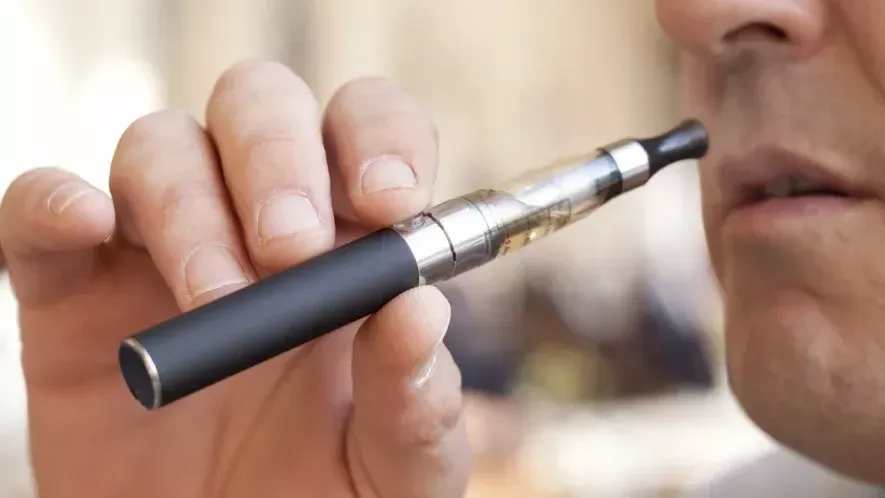
According to Ukrainian media Маргарита Пашкова on the evening of October 30th, customs officials in the Lviv region of Ukraine discovered illegal e-cigarettes worth 2.5 million hryvnia (approximately 500,000 yuan) during the inspection of two minibuses and an SUV. These vehicles entered the country from Poland, attempting to use the "green corridor" and claiming that there were no goods requiring customs declaration or taxation on board.


However, upon closer inspection, it was discovered that one vehicle was carrying 2250 flavored e-cigarettes, another vehicle contained 816 flavored e-cigarettes, and the remaining SUV concealed 1230 flavored e-cigarettes.


All three drivers are residents of the Lviv region and are facing penalties under Article 471, Section 3 of Ukrainian Customs Law: failure to declare goods prohibited or restricted by law for importation may result in a fine equivalent to 300 times the minimum taxable income, and may also lead to seizure of the goods.


Currently, these confiscated undeclared e-cigarettes have been temporarily detained and will be subjected to specific penalties in accordance with Ukrainian customs laws.


We welcome news tips, article submissions, interview requests, or comments on this piece.

Please contact us at info@2firsts.com, or reach out to Alan Zhao, CEO of 2Firsts, on LinkedIn


Notice

1.  This article is intended solely for professional research purposes related to industry, technology, and policy. Any references to brands or products are made purely for objective description and do not constitute any form of endorsement, recommendation, or promotion by 2Firsts.

2.  The use of nicotine-containing products — including, but not limited to, cigarettes, e-cigarettes, nicotine pouchand heated tobacco products — carries significant health risks. Users are responsible for complying with all applicable laws and regulations in their respective jurisdictions.

3.  This article is not intended to serve as the basis for any investment decisions or financial advice. 2Firsts assumes no direct or indirect liability for any inaccuracies or errors in the content.

4.  Access to this article is strictly prohibited for individuals below the legal age in their jurisdiction.


Copyright


This article is either an original work created by 2Firsts or a reproduction from third-party sources with proper attribution. All copyrights and usage rights belong to 2Firsts or the original content provider. Unauthorized reproduction, distribution, or any other form of unauthorized use by any individual or organization is strictly prohibited. Violators will be held legally accountable.

For copyright-related inquiries, please contact: info@2firsts.com


AI Assistance Disclaimer


This article may have been enhanced using AI tools to improve translation and editorial efficiency. However, due to technical limitations, inaccuracies may occur. Readers are encouraged to refer to the cited sources for the most accurate information.

We welcome any corrections or feedback. Please contact us at: info@2firsts.com

Patent Reveals China Tobacco Hubei Industrial Testing Animal Model for Heated Tobacco Safety Evaluation
China Tobacco Hubei Industrial Co., Ltd. has published a patent describing a laboratory method to evaluate the reproductive and developmental safety of heated tobacco products using non-human animal exposure models. The approach introduces a structured toxicological testing framework that could support safety verification, quality control, and regulatory evidence generation for heated tobacco products.
Mar.09
Philippine Authorities Seize Illegal Vape Products Worth About PHP 3.6 Million
Philippine officials said government agencies seized illegal vape products worth about PHP 3.6 million during a joint enforcement operation in Metro Manila and neighboring provinces on March 12.
Mar.16 by 2FIRSTS.ai
Vape Club: Over 1.3 Million Illegal E-Cigarettes Seized in UK by 2025, Worth £10 Million on Streets
Vape Club report reveals 1.3 million illegal e-cigarettes seized in UK by 2025, worth £10 million on the streets.
Mar.12 by 2FIRSTS.ai
Virginia Attorney General Backs Vape Enforcement Act Limiting Sales to FDA-Authorized or Pending Products
Virginia Attorney General Jay Jones is backing new vape enforcement legislation that he said would do more than warn people about the dangers of vaping. The proposal would tighten rules on which products can be sold and increase enforcement aimed at keeping vapes out of the hands of young people.
Mar.24 by 2FIRSTS.ai
Ohio Supreme Court takes up appeal that could define state limits on illegal vape sales enforcement
The Ohio Supreme Court has agreed to hear Attorney General Dave Yost’s appeal seeking to revive lawsuits against three Ohio vape retailers. Lower courts dismissed the cases, finding that federal law governs whether vaping products may be marketed and sold.
Mar.06 by 2FIRSTS.ai
Fifth Circuit Upholds FDA’s 2021 PMTA Rule, Citing Statutory Health-Study Requirements
A Fifth Circuit panel upheld the U.S. Food and Drug Administration’s 2021 final rule requiring companies seeking premarket authorization for new tobacco products to include information on health-risk investigations. In a published opinion, the court found FDA satisfied the Regulatory Flexibility Act’s procedural requirements and reasonably relied on the economic analysis from the 2016 “deeming rule” as a factual basis to certify limited impact on small businesses.
Feb.27 by 2FIRSTS.ai