Innovation in Harm Reduction: PMI's Path to Progress

PMI by 2FIRSTS.ai
Dec.14.2023
Innovation in Harm Reduction: PMI's Path to Progress
Philip Morris International (PMI) advocates for harm reduction strategies to combat smoking-related health consequences, according to Branislav Bibic, VP of Africa at PMI.

According to a recent report by the foreign media outlet IOL, Branislav Bibic, Vice President of Africa for Philip Morris International, has stated that history has proven that civilized societies make steady progress through the advancement of innovation. He further explained that due to these innovations, improvements aimed at reducing harm in everyday behavior and activities have now become commonplace.


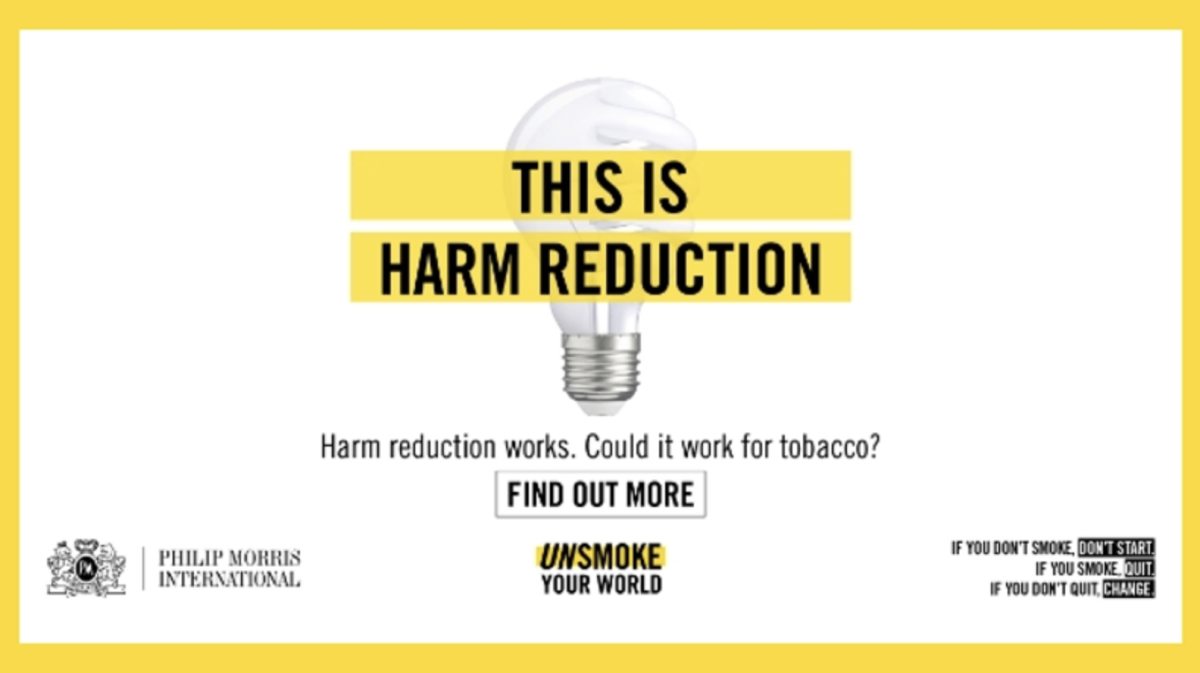
He pointed out that Philip Morris International company (PMI) advocates for the application of the harm reduction (THR) strategy to known smoking risks. He also emphasized especially that the best choice for any smoker is to completely quit tobacco and nicotine.


He stated that public health institutions, expert organizations, and the general public are increasingly using innovation to address the serious health consequences of smoking. For example, the US FDA has created separate channels for innovative tobacco products that are considered better than cigarettes and has approved their marketing as appropriate alternatives for promoting public health.


We welcome news tips, article submissions, interview requests, or comments on this piece.

Please contact us at info@2firsts.com, or reach out to Alan Zhao, CEO of 2Firsts, on LinkedIn


Notice

1.  This article is intended solely for professional research purposes related to industry, technology, and policy. Any references to brands or products are made purely for objective description and do not constitute any form of endorsement, recommendation, or promotion by 2Firsts.

2.  The use of nicotine-containing products — including, but not limited to, cigarettes, e-cigarettes, nicotine pouchand heated tobacco products — carries significant health risks. Users are responsible for complying with all applicable laws and regulations in their respective jurisdictions.

3.  This article is not intended to serve as the basis for any investment decisions or financial advice. 2Firsts assumes no direct or indirect liability for any inaccuracies or errors in the content.

4.  Access to this article is strictly prohibited for individuals below the legal age in their jurisdiction.


Copyright


This article is either an original work created by 2Firsts or a reproduction from third-party sources with proper attribution. All copyrights and usage rights belong to 2Firsts or the original content provider. Unauthorized reproduction, distribution, or any other form of unauthorized use by any individual or organization is strictly prohibited. Violators will be held legally accountable.

For copyright-related inquiries, please contact: info@2firsts.com


AI Assistance Disclaimer


This article may have been enhanced using AI tools to improve translation and editorial efficiency. However, due to technical limitations, inaccuracies may occur. Readers are encouraged to refer to the cited sources for the most accurate information.

We welcome any corrections or feedback. Please contact us at: info@2firsts.com

Spain to Tighten E-Cigarette Regulation: Public-Place Ban, Advertising Limits, Flavour Controls
Spain is advancing a 2025 Anti-Tobacco Law to align e-cigs with tobacco, tighten public-use/advertising/flavour rules, study phasing out disposables; cannabinoid, nicotine-free vapes are rising.
Oct.21 by 2FIRSTS.ai
Morocco Aligns Cigarette Pricing Structure with New 2026 Tax Adjustment
Morocco will raise retail cigarette prices by 1–2 dirhams (≈ US$ 0.10–0.20) per pack starting January 1, 2026, as part of the final phase of its tobacco tax reform. The adjustment mainly affects value-category cigarette brands; premiums remain largely unchanged.
Dec.01
62.5% of Vapers Still Use Disposables; 82% for Ages 25–34, Survey Finds
Vape retailer Haypp reports that 62.5% of vapers still use disposable vapes, rising to 82% among those aged 25–34. 35% of disposable users say they are still buying disposables. Black-market purchases reportedly come mainly from local smaller shops (55%) and specialist vape stores (37%), as well as supermarkets, online retailers and car boot sales. 78.5% of respondents are using pre-ban stock, posing safety risks from aging lithium-ion batteries; 14% plan to continue buying disposables,.
Oct.23 by 2FIRSTS.ai
China Qingdao Jiaodong Airport Customs Seizes 430 Disposable E-Cigarettes and 8600ml of E-Liquid
Qingdao Jiaodong Airport customs seized 430 disposable e-cigarettes with 8600ml e-liquid, exceeding personal duty-free limits. Items detained for legal processing.
Oct.14 by 2FIRSTS.ai
Lancashire Police Seize £200K Worth of Illegal Cigarettes and Vapes, Six Arrested
Lancashire Police seized nearly £200,000 worth of illicit cigarettes and vapes, arrested six suspects, and closed three shops under Operation Wanderstar. Raids on 22 premises across the county also uncovered counterfeit cash, hidden tobacco stashes, and frozen bank accounts linked to suspected money laundering.
Oct.29 by 2FIRSTS.ai
2FIRSTS Data Insight|China’s Vape Exports to the U.S. Hit a Record $590 Million: A Peak Driven by Enforcement Cycles, Not Real Demand
China’s vape exports to the U.S. surged to a record $590 million in October 2025—nearly double the usual monthly level and pushing the U.S. share above 50% of China’s global shipments.But the spike was not driven by demand. Instead, it reflected a temporary release created by tightened U.S. enforcement, a collapsed logistics pathway, and a bullwhip-style surge in replenishment.The peak signals more volatility ahead, not recovery.
Special Report
Nov.24