Key points:
·New regulations: Ireland implemented new regulations on cigarettes, e-cigarettes, and tobacco products on September 29, which prohibit the sale of such products through vending machines.
·Current smoking data: The latest data from the Central Statistics Office of Ireland shows that about 18% of the Irish population still smokes.
·Current status of related plans: The "Smoke-Free Ireland Plan" launched in 2016, the person in charge stated that there are no resources or capabilities to provide services for e-cigarette users who want to quit smoking. They had previously refused help for this group.
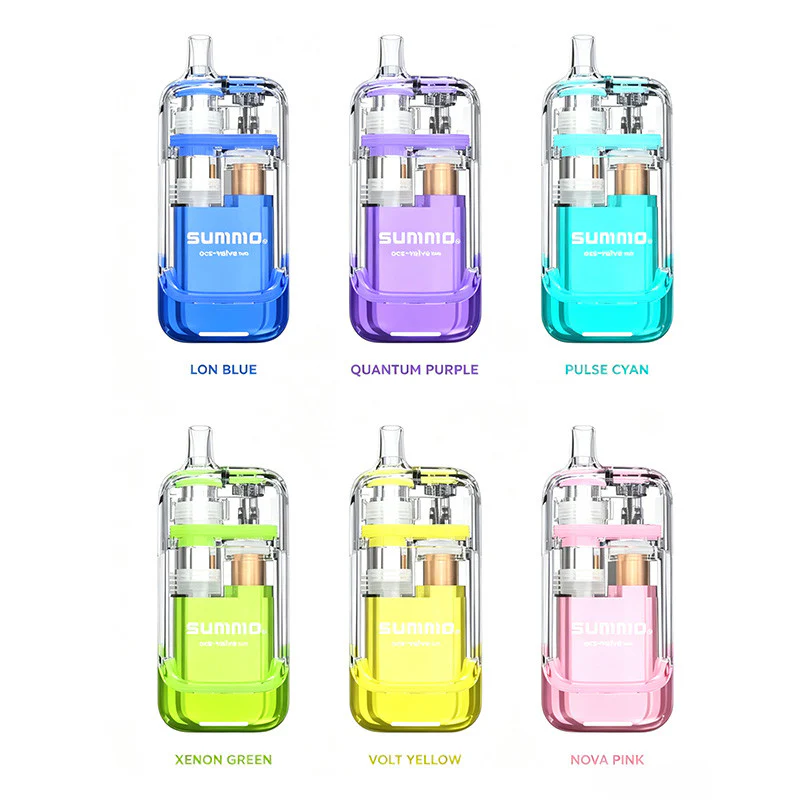
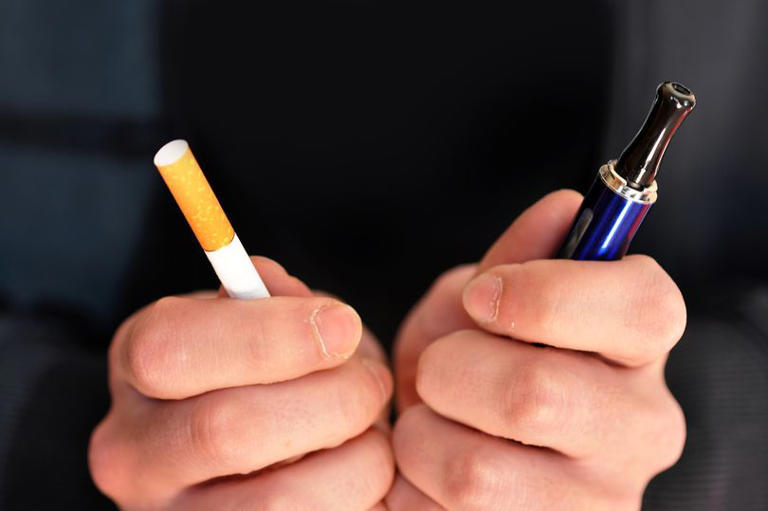
According to RSVP, Ireland implemented new regulations related to cigarettes, e-cigarettes, and tobacco products on September 29, 2025, prohibiting the sale of these products through vending machines. Such vending machines are commonly found in bars and nightclubs.
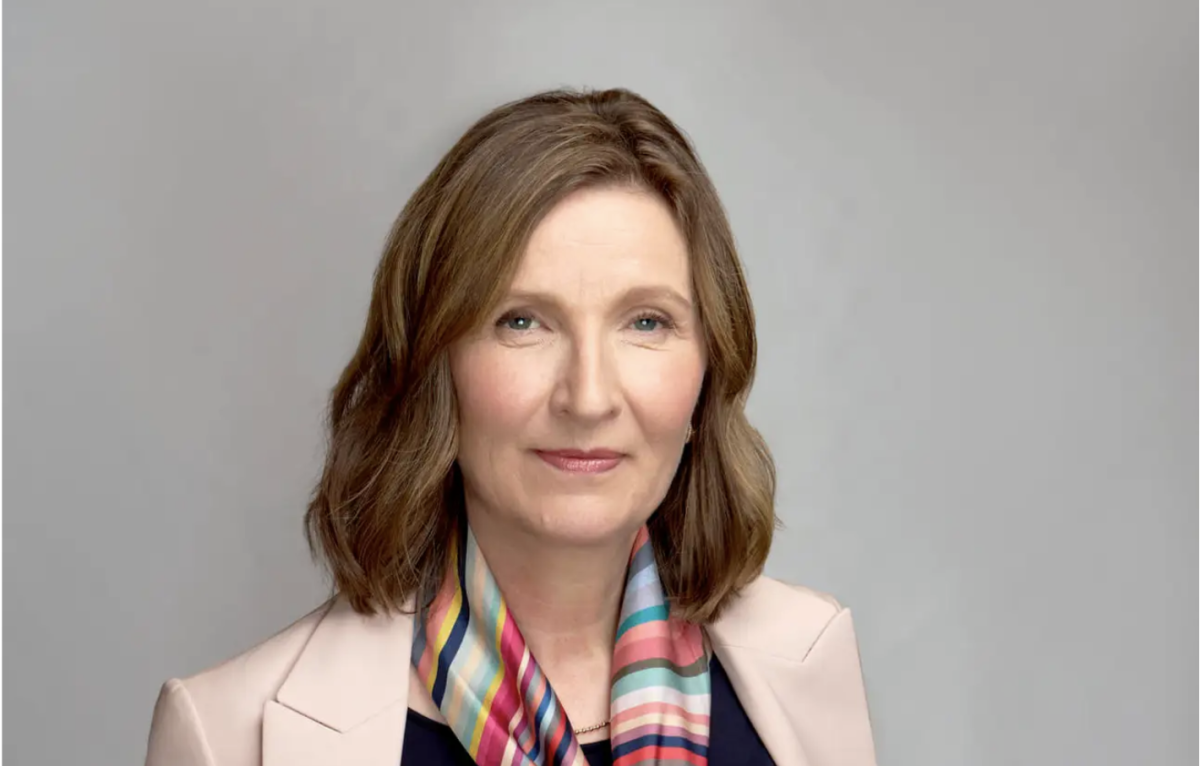
Irish Health Minister Jennifer Carroll MacNeill stated that this measure aims to reduce Ireland's smoking rate to below 5%.
Officials have confirmed that the above-mentioned new regulations will officially take effect on September 29th.
Minister Carol MacNeil emphasized that the main objective of the ban is to reduce access for individuals under 18 years old to such products.
This new regulation is part of the Irish government's comprehensive tobacco and nicotine control plan aimed at reducing the number of smokers and e-cigarette users nationwide.
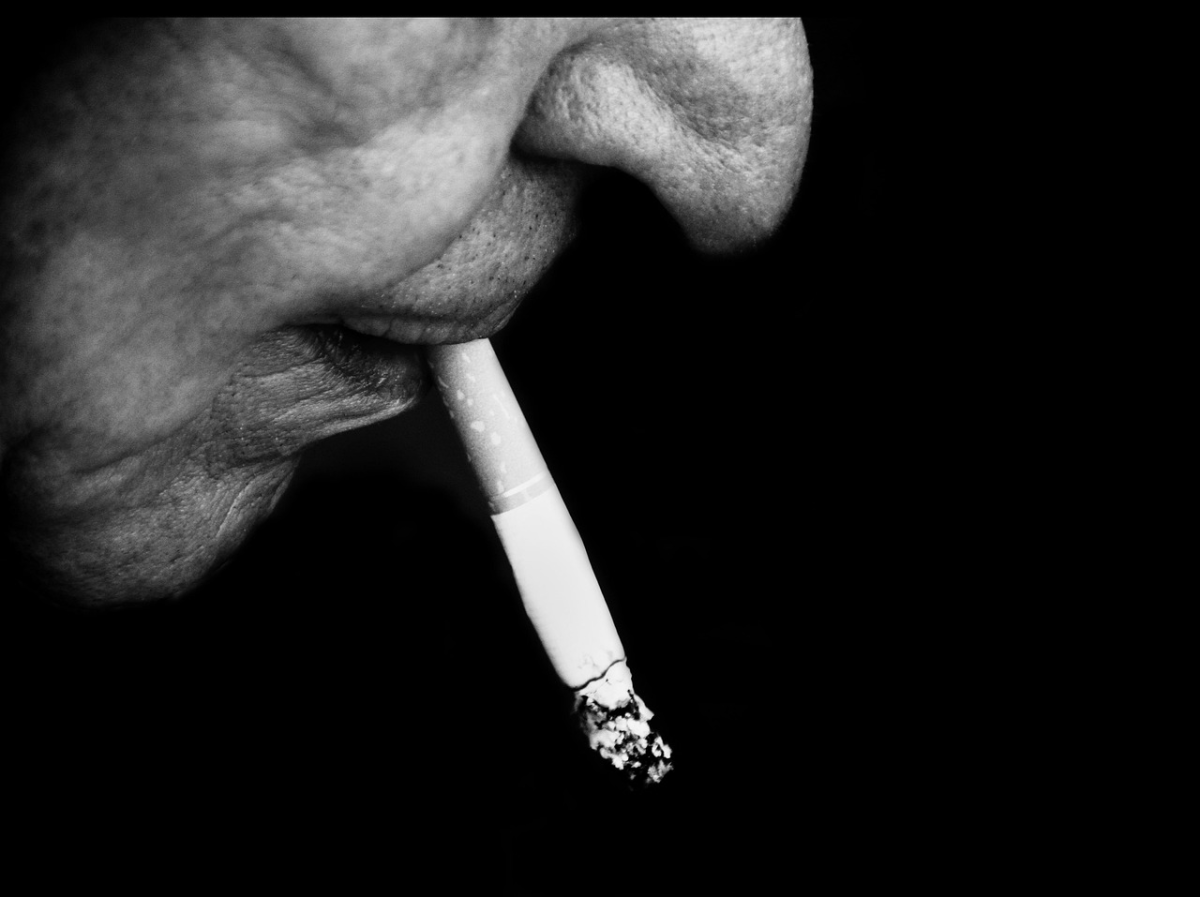
According to the latest data from the Central Statistics Office of Ireland, around 18% of the Irish population are still engaged in smoking.
It was previously reported that the Tobacco Free Ireland Programme, a subsidiary of the Health Service Executive (HSE) in Ireland, had refused to provide assistance to e-cigarette users who were willing to quit smoking.
The Smoke-Free Ireland initiative was established in 2016 as part of the Healthy Ireland in the Health Services Implementation Plan. Its goal is to improve public health, enhance well-being, and reduce the number of smokers.
During a parliamentary inquiry, Martina Blake, head of the "Smoke-Free Ireland" program, told Labour Party MP Marie Sherlock that the program currently does not have the resources to address issues related to e-cigarettes.
She stated, "We currently do not have the ability to provide services related to quitting smoking (e-cigarettes), and we also lack the resources needed to carry out this work.
We welcome news tips, article submissions, interview requests, or comments on this piece.
Please contact us at info@2firsts.com, or reach out to Alan Zhao, CEO of 2Firsts, on LinkedIn
Notice
1. This article is intended solely for professional research purposes related to industry, technology, and policy. Any references to brands or products are made purely for objective description and do not constitute any form of endorsement, recommendation, or promotion by 2Firsts.
2. The use of nicotine-containing products — including, but not limited to, cigarettes, e-cigarettes, nicotine pouchand heated tobacco products — carries significant health risks. Users are responsible for complying with all applicable laws and regulations in their respective jurisdictions.
3. This article is not intended to serve as the basis for any investment decisions or financial advice. 2Firsts assumes no direct or indirect liability for any inaccuracies or errors in the content.
4. Access to this article is strictly prohibited for individuals below the legal age in their jurisdiction.
Copyright
This article is either an original work created by 2Firsts or a reproduction from third-party sources with proper attribution. All copyrights and usage rights belong to 2Firsts or the original content provider. Unauthorized reproduction, distribution, or any other form of unauthorized use by any individual or organization is strictly prohibited. Violators will be held legally accountable.
For copyright-related inquiries, please contact: info@2firsts.com
AI Assistance Disclaimer
This article may have been enhanced using AI tools to improve translation and editorial efficiency. However, due to technical limitations, inaccuracies may occur. Readers are encouraged to refer to the cited sources for the most accurate information.
We welcome any corrections or feedback. Please contact us at: info@2firsts.com