Jharkhand To Get WHO Award For Controlling Tobacco Consumption In The State

Innovation
May.30.2022
Jharkhand To Get WHO Award For Controlling Tobacco Consumption In The State

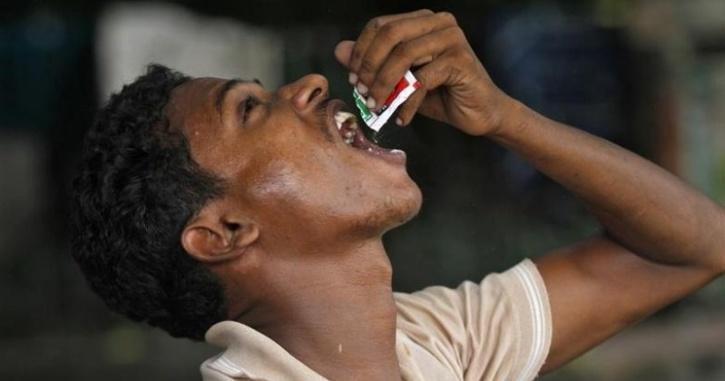
Recognising its efforts in controlling tobacco consumption, the World Health Organisation (WHO) has selected Jharkhand for the World No Tobacco Day (WNTD) Award-2022, an official said on Sunday.


Stata Tobacco Control Cell of the Health Department will receive the award on the occasion of World No Tobacco Day in New Delhi on May 31, Jharkhand’s nodal officer of National Tobacco Control Programme (NTCP) Lalit Ranjan Pathak told PTI.


“It’s a great achievement for Jharkhand, which could be possible only due to political and administrative supports that tobacco control cell has got in implementing the programme,” Pathak said.


NTCP was launched in Jharkhand in 2012 when the tobacco prevalence rate in the state was 51.1 per cent, of which 48 per cent were smokeless users, according to the Global Adult Tobacco Survey (GATS)-1 report.


The GATS-2 report, which was published in 2018, said tobacco users came down to 38.9 per cent in the state, of which 35.4 per cent were smokeless users.

“To bring it further down, Jharkhand initiated a slew of measures between 2018 and 2022,” Pathak said.


The Union Health Ministry, WHO and the dedicated state and district health teams have contributed a lot to reducing the tobacco prevalence rate in Jharkhand, he said.
Jharkhand To Get WHO Award For Controlling Tobacco Consumption In The State


Jharkhand tobacco ban


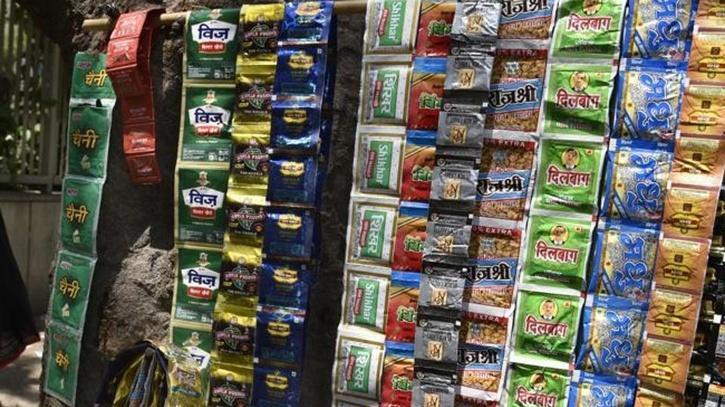
In 2020, the Jharkhand government imposed a ban on the consumption of tobacco products in public places and made public spitting an offence under the Epidemic Diseases Act, 1897.


The government had, however, not prohibited the sale of tobacco products in the State.


“Consumption of tobacco poses a serious threat to public health. Public spitting is said to be the prime reason behind the spread of infections. Due to indiscriminate spitting, the possibility of spread of diseases such as COVID-19, encephalitis and tuberculosis goes up,” said the Jharkhand government issuing an order.


Any violation of the order will attract punishment under Sections 188, 268, 269 and 270 of the IPC.


Ban on hookah bars


In 2021, the state government approved a proposal to completely ban hookah bars in the state. As per the decision, those flouting rules may face a prison sentence or a fine of Rs 1 lakh.


The cabinet has also approved a decision to make the sale and purchase of tobacco products like cigarettes in public places illegal. Anyone found breaking the rules will be fined Rs 1,000. The earlier fine charged under the law was Rs 200.


A decision to increase the minimum age for buying tobacco products in the state has also been increased from 18 to 21. It may be noted that those below the age of 21 will not be allowed to purchase any tobacco products.

Australia Extends Illicit Tobacco Crackdown From Tougher Penalties to Customs and Logistics Supply Chains
Australia's federal government introduced a new illicit tobacco enforcement bill on September 10 that would strengthen evidentiary presumptions, representative sampling, seizure and forfeiture procedures, proceeds-of-crime powers and obligations for customs and logistics operators. The proposal follows the Combatting Illicit Tobacco Act 2026, which took effect in August and increased penalties while expanding investigative and asset-recovery tools. Together, the reforms extend Australia's crackdown from tougher criminal sanctions into import, logistics and evidentiary enforcement.
Sep.14
PMI Expands U.S. ZYN Portfolio With New 1.5 mg and 8 mg Strengths, Moves Toward a Unified 20-Pouch-Per-Can Format
Philip Morris International is expanding its U.S. ZYN nicotine pouch portfolio with new 1.5 mg and 8 mg strengths and plans to move its core 3 mg and 6 mg dry-pouch products from 15 to 20 pouches per can in the fourth quarter of 2026. ZYN ULTRA is also commercially available, with FDA authorization covering 10 products at 9 mg and one 11 mg Smooth product. PMI U.S. lists the new 1.5 mg and 8 mg strengths as commercially available, but as of September 10 they do not appear on the FDA’s public authorization list. Public materials do not identify which PMTA submissions cover the two new strengths or their current review status.
Sep.11
Gallery | InterTabac 2026 Opens as VAPORESSO, SKE, GREENTANK, GEEK BAR and Other Brands Take the Floor
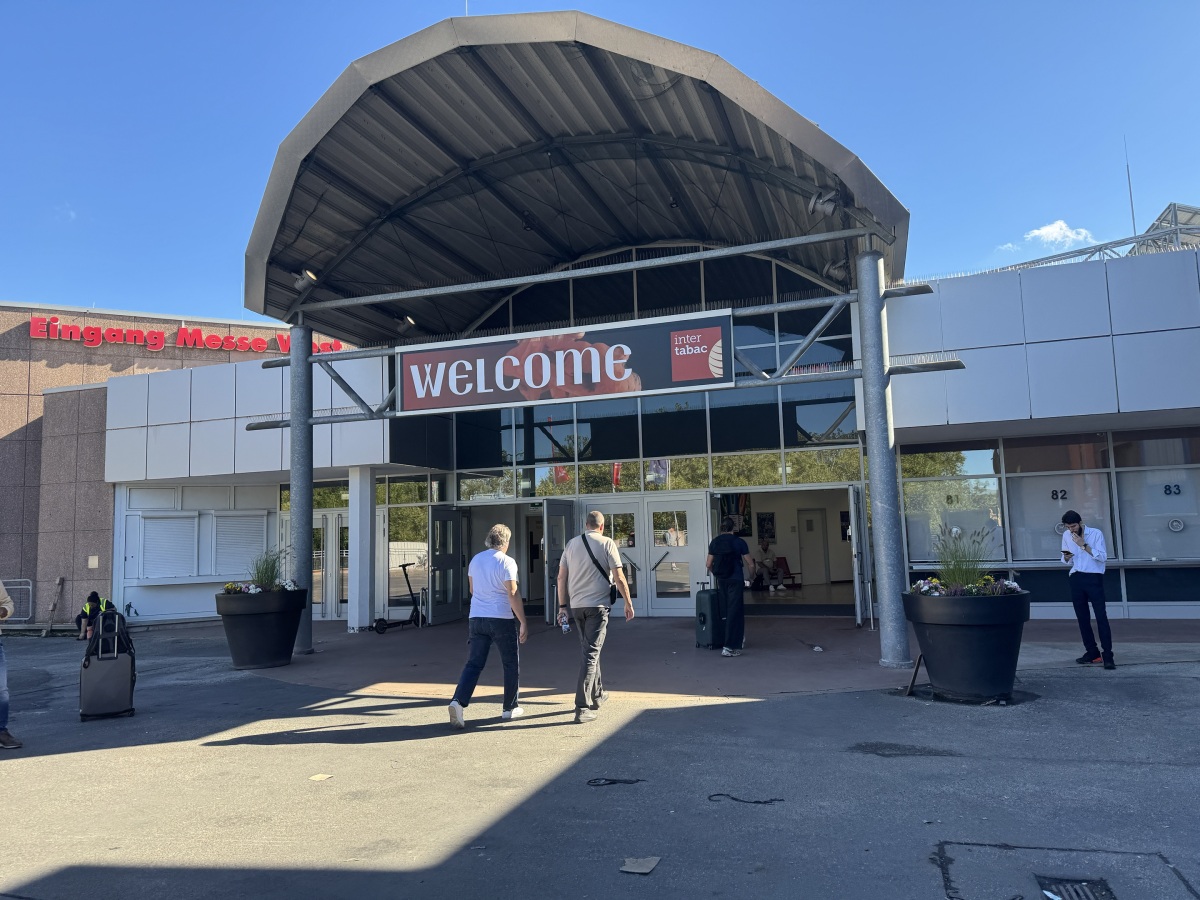
InterTabac 2026 opened in Dortmund, Germany, on September 15 alongside NUBIZ and InterSupply. According to the latest figures released by the organizer, the three trade shows bring together around 750 exhibitors from 64 countries. On site, 2Firsts observed vaping and related brands including VAPORESSO, DOJO, SKE, GREENTANK, GEEK BAR, HQD and ELUX.
Special Report
Sep.15
Product | HQD SiSA 80K Enters the U.S. Market With a Hookah-Inspired Approach to the High-Capacity Disposable Segment
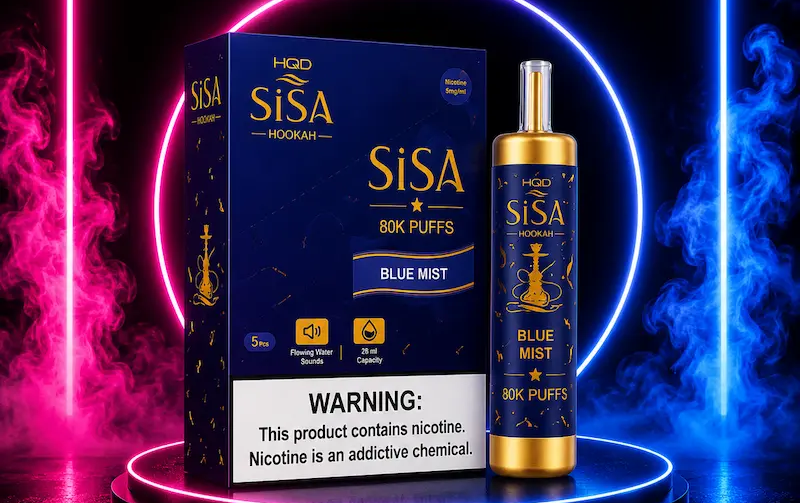
The HQD SiSA 80K Hookah Disposable Vape has appeared across U.S. and cross-border online retail channels. The device comes prefilled with 28ml of e-liquid, uses a 5% nicotine salt configuration and carries a brand claim of up to 80,000 puffs. Beyond puff count, the product differentiates itself through hookah-inspired features including adjustable airflow, a flowing-water sound effect and flavor options associated with traditional hookah consumption.
Aug.18
Russia’s Vape Device Labeling Regime Enters Force: Registration Starts in September, Mandatory Coding in December
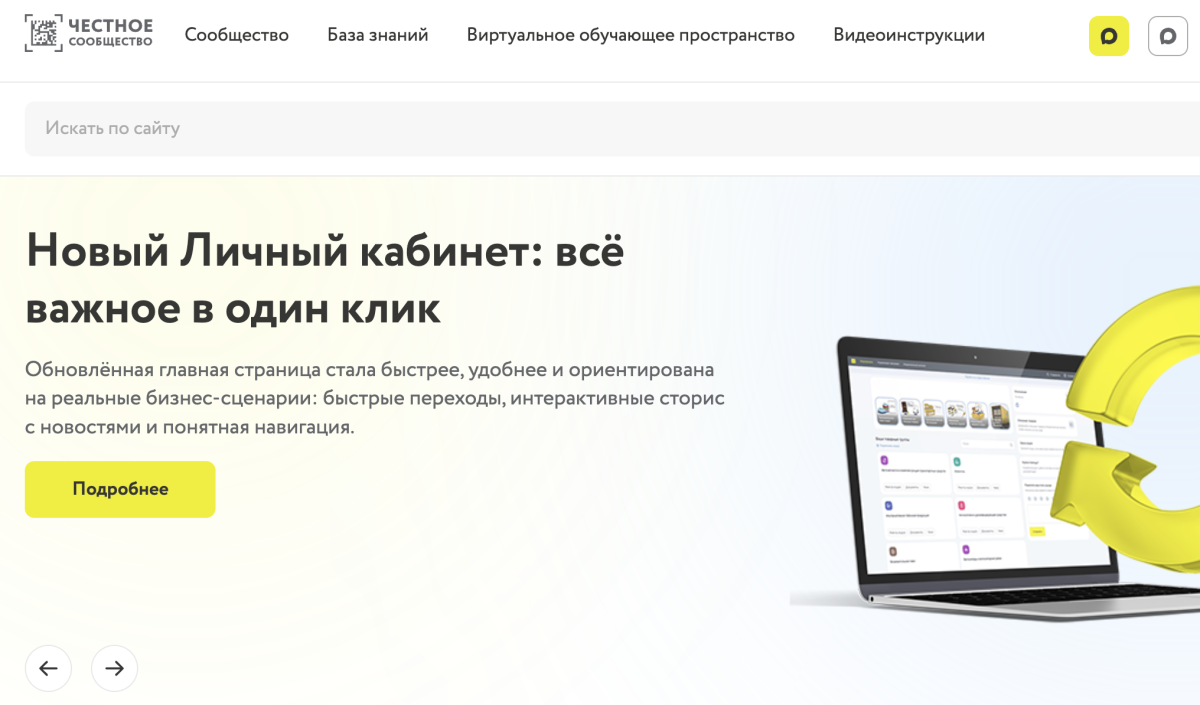
Russia's digital labeling regime for reusable e-cigarettes and similar personal vaping devices entered its first mandatory phase in September 2026. From September 1, manufacturers, importers and other market participants must register with the national Chestny ZNAK tracking system. From December 1, newly manufactured and imported covered devices will be required to carry digital identification codes and be reported as entering circulation. Russia has also issued new operational guidance for imports, marking the transition from a voluntary pilot to phased mandatory implementation.
Sep.15
South Korea Constitutional Court Upholds Volume-Based E-Liquid Tax, With Challenged Rates at KRW 370 and KRW 628 per Milliliter
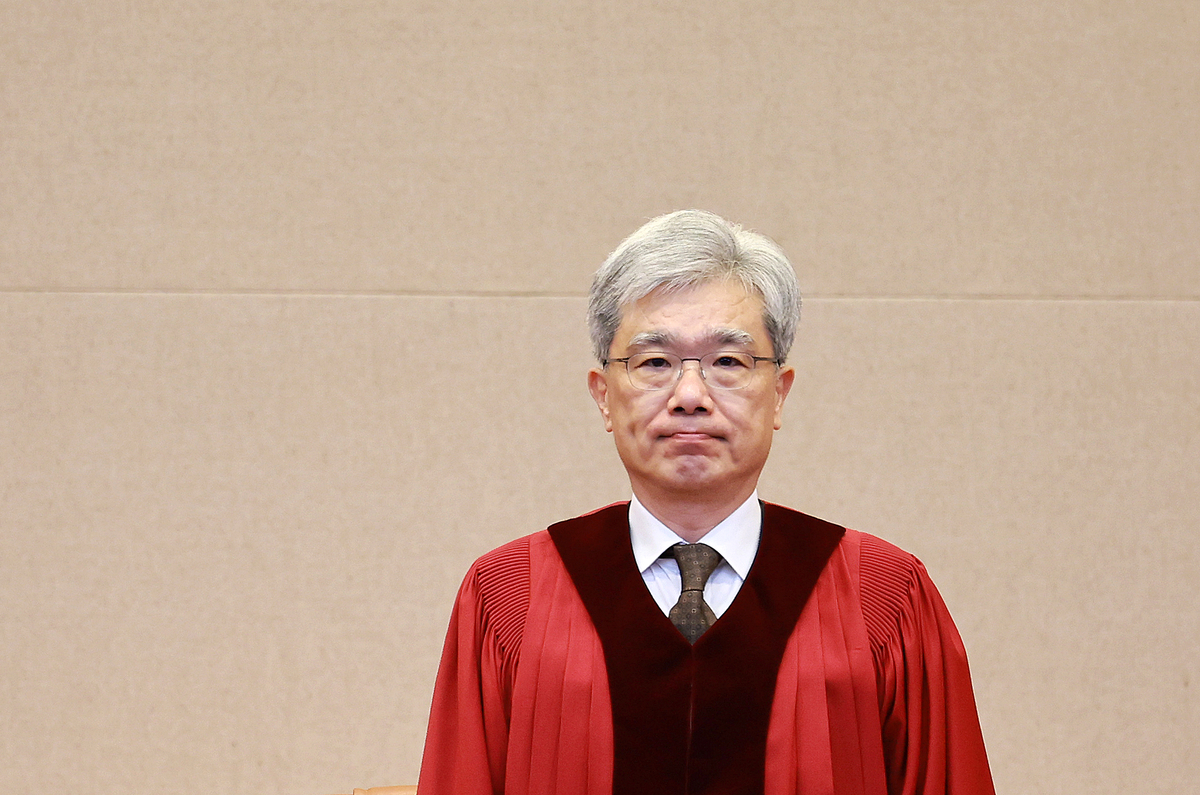
South Korea's Constitutional Court has upheld fixed taxes on nicotine-containing e-cigarette liquids based on solution volume, ruling that challenged provisions imposing KRW 370 per milliliter in individual consumption tax and KRW 628 per milliliter in tobacco consumption tax do not violate the Constitution. The cases stemmed from historical disputes involving importers that reported nicotine as being extracted from tobacco stems rather than leaves. South Korea has since broadened its tobacco definition to include synthetic nicotine, while current tax laws provide reduced rates for certain products not derived from tobacco.
Sep.18