JTI's Efforts in Combating Illegal Tobacco Trade and Regulation

Apr.14.2025
JTI's Efforts in Combating Illegal Tobacco Trade and Regulation
JTI reports 20% reduction in Greece's illicit tobacco market due to government cooperation, emphasizing importance of scientific regulation.

Key points:

Illegal tobacco market shrinks by 20%: JTI claims that with cooperation between the government and businesses, the proportion of illegal tobacco trade in Greece has decreased from approximately 30% to 20%, indicating successful efforts to combat it.

Japan Tobacco International (JTI) is strengthening its collaboration with the government through the signing of memoranda and promotional projects with agencies such as the Hellenic Federal Investigation Bureau (DAOE), in order to enhance the institutionalized coordination in combating illegal trade.

Support for science-driven regulation: JTI calls for updates to regulatory frameworks to adapt to the development of new tobacco products, emphasizing the importance of "flexible regulation" for innovation.


According to Reporter on April 12th, Lucine Ovumyan, Senior Vice President of Corporate Affairs and Communication at Japan Tobacco International (JTI), recently discussed the importance of combating illegal tobacco trade and scientific regulation at the Delphi Economic Forum X.


Ovfmyan emphasized that illegal tobacco trade is a major global issue, accounting for 11% of the total global tobacco trade. She pointed out that effective measures against this issue could increase public fiscal revenue by nearly 500 billion euros annually. In Greece, illegal trade causes losses of about 6 billion euros to the national treasury each year. However, thanks to the collaboration between government departments, relevant agencies, and the industry, the proportion of illegal market in Greece has decreased from around 30% in 2022 to approximately 20% currently.


Ovfiyang praised the cooperation between JTI and the Greek Public Administration Management Agency, and they signed a cooperation memorandum in 2023. The collaboration with the newly established Greek Federal Investigation Bureau (DAOE) has also shown significant results. She specifically mentioned the successful anti-illegal tobacco trade information campaign carried out by JTI and DAOE as a successful example of collaboration between the public and private sectors.


Furthermore, Offmyan pointed out that appropriate regulation can set boundaries, protect society, and promote innovation. She emphasized that regulation should shape rather than restrict the future.


Using tobacco and nicotine products as an example, she emphasized JTI's significant investment in new tobacco products that have the potential to reduce the health risks associated with traditional smoking. She stated that consumers should have the opportunity to use these products and that businesses should be encouraged to continue improving and upgrading.


She concluded, "Regulatory frameworks need to be constantly updated," citing the flexible regulatory model of the Organisation for Economic Co-operation and Development (OECD), stating that regulations should also evolve with scientific and technological advancements. Therefore, she emphasized that in the tobacco industry, innovative nicotine products also need to be effectively regulated based on scientific progress.


We welcome news tips, article submissions, interview requests, or comments on this piece.

Please contact us at info@2firsts.com, or reach out to Alan Zhao, CEO of 2Firsts, on LinkedIn


Notice

1.  This article is intended solely for professional research purposes related to industry, technology, and policy. Any references to brands or products are made purely for objective description and do not constitute any form of endorsement, recommendation, or promotion by 2Firsts.

2.  The use of nicotine-containing products — including, but not limited to, cigarettes, e-cigarettes, nicotine pouchand heated tobacco products — carries significant health risks. Users are responsible for complying with all applicable laws and regulations in their respective jurisdictions.

3.  This article is not intended to serve as the basis for any investment decisions or financial advice. 2Firsts assumes no direct or indirect liability for any inaccuracies or errors in the content.

4.  Access to this article is strictly prohibited for individuals below the legal age in their jurisdiction.


Copyright


This article is either an original work created by 2Firsts or a reproduction from third-party sources with proper attribution. All copyrights and usage rights belong to 2Firsts or the original content provider. Unauthorized reproduction, distribution, or any other form of unauthorized use by any individual or organization is strictly prohibited. Violators will be held legally accountable.

For copyright-related inquiries, please contact: info@2firsts.com


AI Assistance Disclaimer


This article may have been enhanced using AI tools to improve translation and editorial efficiency. However, due to technical limitations, inaccuracies may occur. Readers are encouraged to refer to the cited sources for the most accurate information.

We welcome any corrections or feedback. Please contact us at: info@2firsts.com

Global Nicotine-Pouch E-Commerce Group Haypp Shuts Sweden’s Snusnetto Over Age Verification as Identity Checks Become Industry Infrastructure for New Nicotine Products
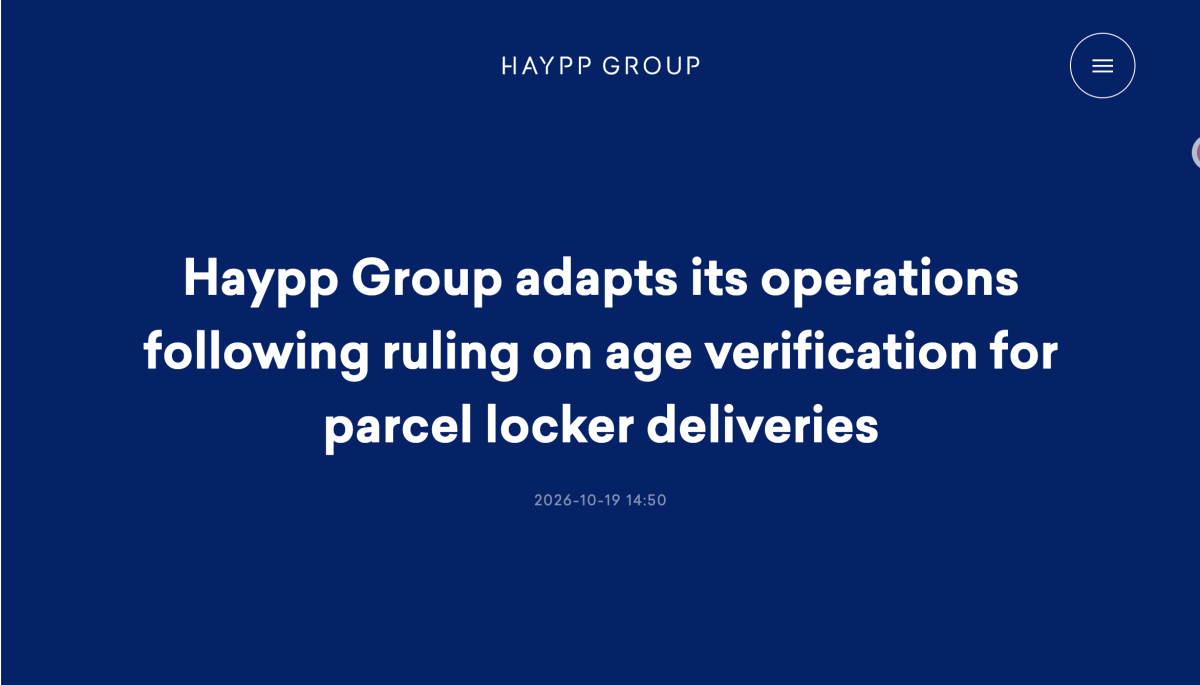
Sweden's Supreme Administrative Court has declined to hear an appeal over age verification for tobacco and nicotine products collected from parcel lockers, leaving in place a lower-court ruling that geo-located BankID verification is insufficient to securely verify the actual recipient. Haypp Group has stopped tobacco and nicotine sales through Snusnetto and is deploying a new system across its other Swedish e-commerce sites to verify the age of the person who actually opens the locker and receives the shipment. The change comes as age verification across next-generation nicotine products expands from purchase checks into retail, delivery and, for some e-cigarettes, device access itself.
Regulations
Oct.20
Australia Adds 6-Methylnicotine to Schedule 9 Prohibited Substances, Effective October 1
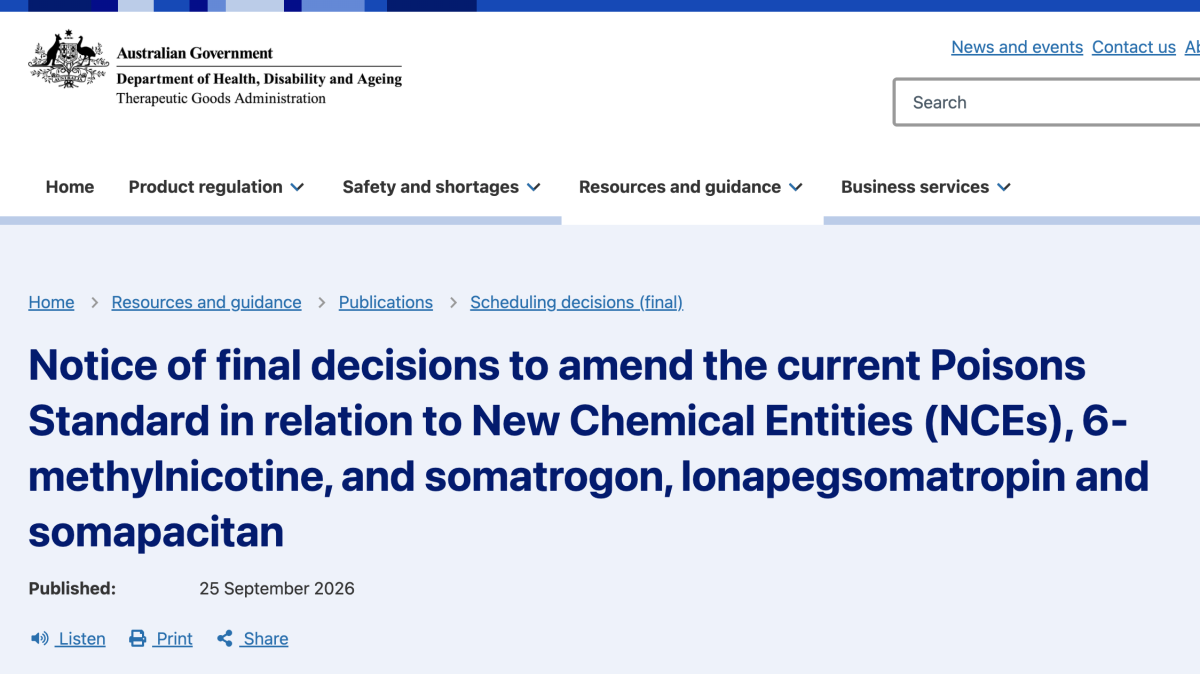
Australia's Therapeutic Goods Administration published a final decision on September 25 to classify 6-methylnicotine as a Schedule 9 prohibited substance under the Poisons Standard, effective October 1, 2026. TGA said the chemical has been reported in e-cigarette liquids sold in Australia and marketed as nicotine-free or nicotine alternatives, while evidence also indicates its use in preparations such as oral pouches. The government originally proposed a Schedule 7 classification but ultimately adopted the stricter Schedule 9 designation, citing acute toxicity, dependence risk, use in unapproved consumer products and misleading marketing.
News
Sep.29 by 2Firsts Perspectives
Special Report | Altria Subsidiaries Sue FDA to Vacate 2021 PMTA Rule as Agency Moves to Speed Reviews
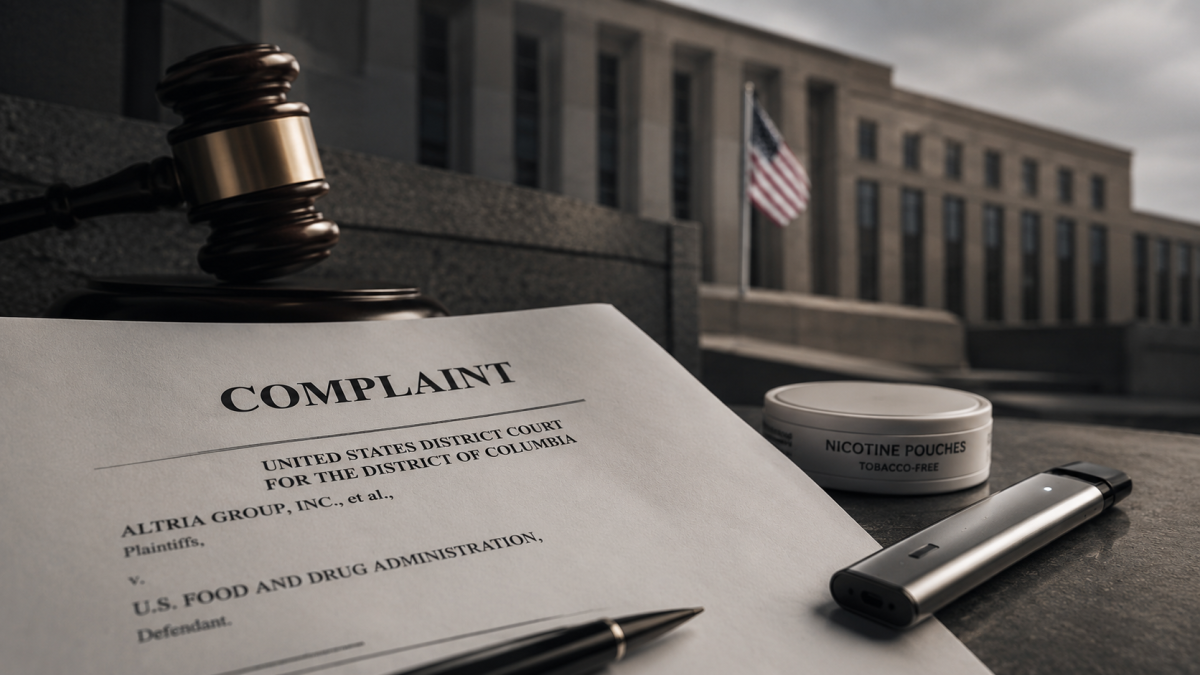
2Firsts reviewed the original federal court complaint filed by Altria subsidiaries Helix Innovations and NJOY on Sept. 2 challenging FDA’s 2021 PMTA rule. The lawsuit questions whether FDA’s review process complies with the Tobacco Control Act’s 180-day timeline, even as the agency moves to accelerate PMTA reviews and issues more marketing orders. Drawing on the complaint, FDA records, government audits and recent court rulings, 2Firsts examines the legal arguments, supporting evidence and potential implications for the U.S. tobacco review system.
Regulations
Sep.03
GSTHR Estimates 200 Million People Use Non-Combustible Nicotine Products as 28 Countries Show Rising Use Alongside Falling Smoking Rates
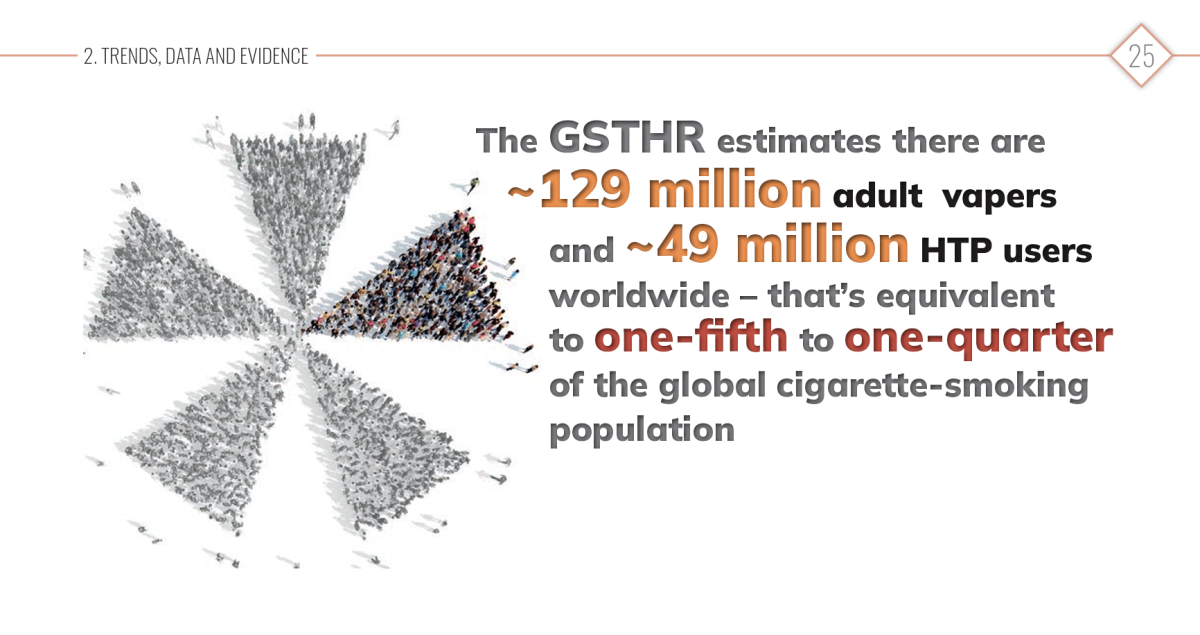
The Global State of Tobacco Harm Reduction, a project operated by Knowledge·Action·Change, estimates that about 200 million people worldwide use non-combustible nicotine products including vapes, heated tobacco, nicotine pouches and snus. Its 2026 report says use of these products rose alongside declining smoking rates in 28 countries it analyzed. The data do not establish that all 200 million users have quit smoking, nor do they prove a direct causal relationship. GSTHR also says regulatory restrictions on the products continue to expand in many markets.
Sep.10
Product | JT to Launch MEVIUS Tropical Option in Japan, Expanding Ploom Tobacco Stick Lineup to 32
Japan Tobacco (JT) will launch MEVIUS Tropical Option, a new tobacco stick for Ploom, nationwide in Japan from October 6, 2026. The capsule-format product combines mango-oriented sweetness with menthol cooling, adding a tropical flavor to the MEVIUS Ploom tobacco-stick lineup for the first time. Each pack contains 20 sticks and will launch at JPY 590. The product is compatible with all Ploom devices, and its addition will expand the Ploom tobacco-stick portfolio to 32 variants.
Sep.08
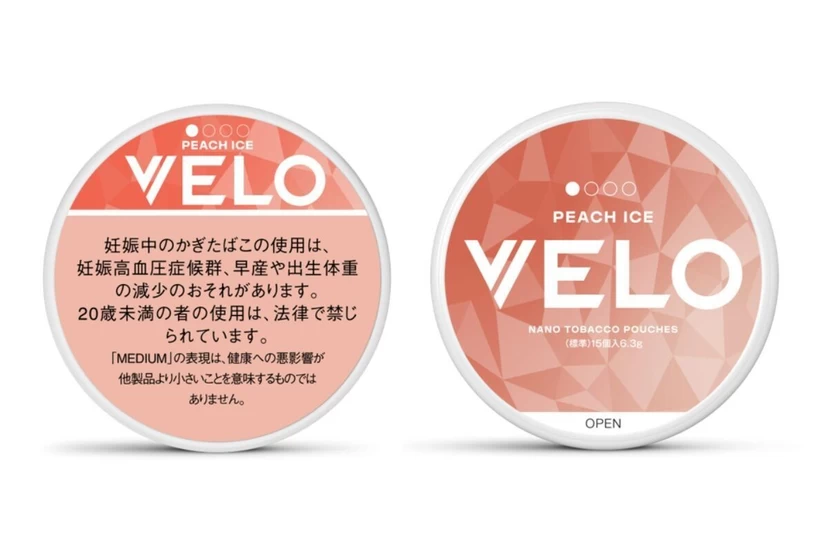
Product | BAT Expands VELO Peach Ice Medium to FamilyMart Stores Nationwide in Japan
British American Tobacco Japan (BAT Japan) expanded VELO Peach Ice Medium to FamilyMart stores nationwide in Japan from September 7, 2026. The oral tobacco product first launched on July 6 and had previously been sold through VELO's official online store, glo Store Ginza and tobacco retailers. It combines peach flavor with menthol cooling at a Medium strength level and is priced at JPY 360. Japanese tobacco retailers list 15 pouches per pack. The move adds the new SKU to an existing nationwide FamilyMart distribution network for VELO rather than marking the brand's first entry into the convenience-store chain.
Sep.15