Kazakhstan District Government Sells Confiscated E-Cigs to Public before Nationwide Ban

Regulations by 2FIRSTS.ai
Jan.30.2024
Kazakhstan District Government Sells Confiscated E-Cigs to Public before Nationwide Ban
Kazakhstan government's decision to sell confiscated e-cigarette products sparks controversy amidst nationwide ban.

According to a report by Lada on January 29th, the government of Kazakhstan recently announced a nationwide ban on the sale of e-cigarettes. This controversial bill has been passed and is currently awaiting the approval of President Tokayev.


However, before the law officially came into effect, the Karabalik district government took an unprecedented action by deciding to sell all the confiscated e-cigarette products.


On January 24th, the government of Kazakhstan announced a complete ban on the sale of e-cigarettes. Although this legislation is pending the president's signature, the Karabalyk District government has swiftly decided to dispose of the confiscated e-cigarettes through an auction.


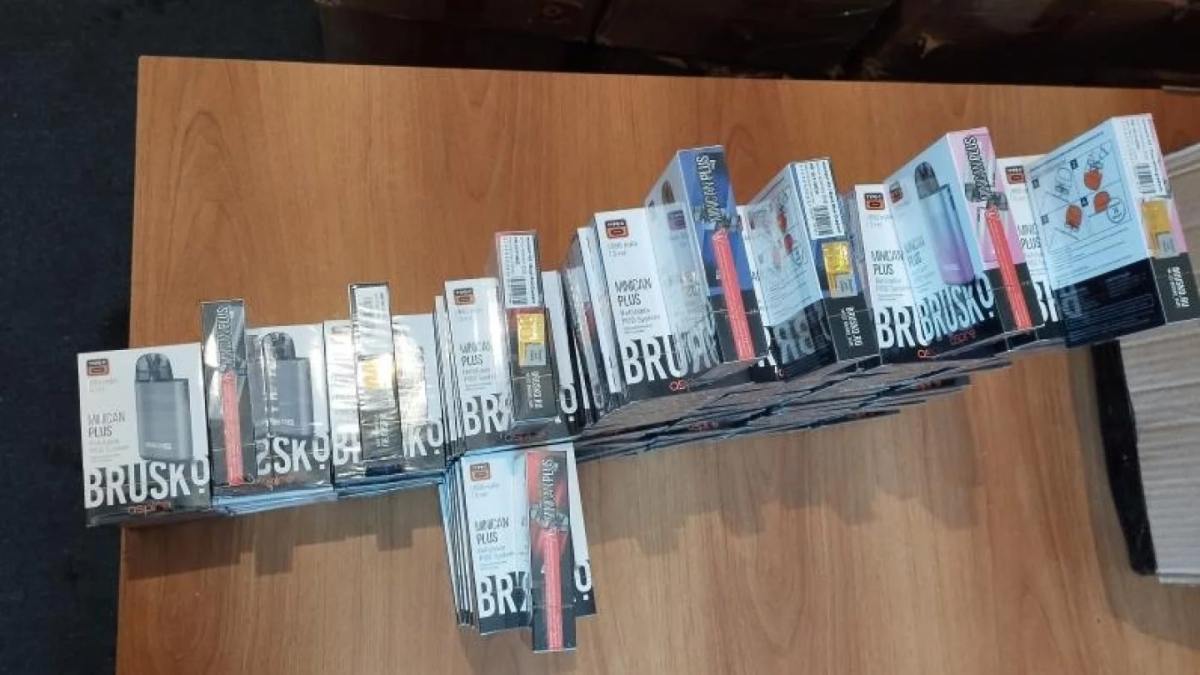
The Karabalik District government has chosen to sell these e-cigarette products on the Kazakhstan government auction website, with an initial price of 2.4 million tenge. The actual selling price will gradually decrease based on bidding. The total confiscated e-cigarette batch consists of 290 products, estimated to be worth approximately 1.9 million tenge.


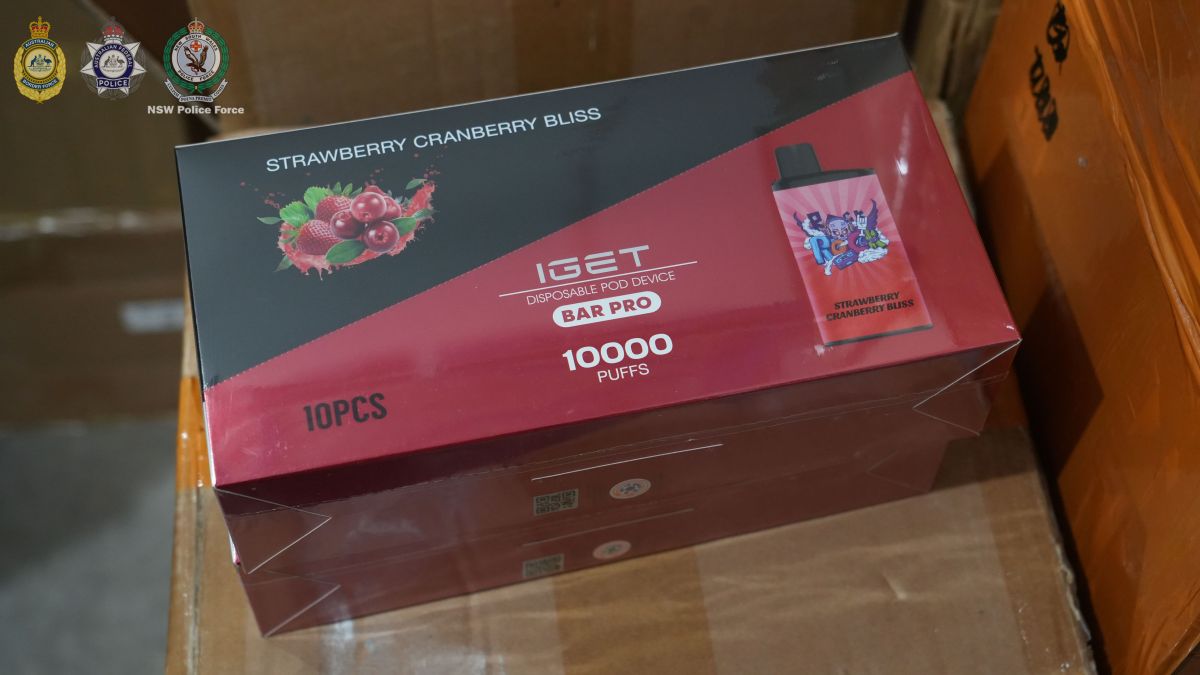
The e-cigarettes and electronic pods, sourced from the "TK-LUCH" company, were illegally transported from Russia to Kazakhstan. The government has decided to sell these confiscated goods to the public, which has sparked some controversy.


It is noteworthy that these e-cigarettes being sold are not personal properties of government officials, but rather illegally transported contraband. This action has sparked controversy in Kazakhstan, where e-cigarettes are banned nationwide, leading to differing opinions among the public regarding local government decisions.


We welcome news tips, article submissions, interview requests, or comments on this piece.

Please contact us at info@2firsts.com, or reach out to Alan Zhao, CEO of 2Firsts, on LinkedIn


Notice

1.  This article is intended solely for professional research purposes related to industry, technology, and policy. Any references to brands or products are made purely for objective description and do not constitute any form of endorsement, recommendation, or promotion by 2Firsts.

2.  The use of nicotine-containing products — including, but not limited to, cigarettes, e-cigarettes, nicotine pouchand heated tobacco products — carries significant health risks. Users are responsible for complying with all applicable laws and regulations in their respective jurisdictions.

3.  This article is not intended to serve as the basis for any investment decisions or financial advice. 2Firsts assumes no direct or indirect liability for any inaccuracies or errors in the content.

4.  Access to this article is strictly prohibited for individuals below the legal age in their jurisdiction.


Copyright


This article is either an original work created by 2Firsts or a reproduction from third-party sources with proper attribution. All copyrights and usage rights belong to 2Firsts or the original content provider. Unauthorized reproduction, distribution, or any other form of unauthorized use by any individual or organization is strictly prohibited. Violators will be held legally accountable.

For copyright-related inquiries, please contact: info@2firsts.com


AI Assistance Disclaimer


This article may have been enhanced using AI tools to improve translation and editorial efficiency. However, due to technical limitations, inaccuracies may occur. Readers are encouraged to refer to the cited sources for the most accurate information.

We welcome any corrections or feedback. Please contact us at: info@2firsts.com

South Korea’s National Assembly Passes Law Classifying E-Cigarettes as Tobacco Products with Full Equivalent Regulation
South Korea’s National Assembly recently passed a comprehensive package of 79 bills that, among other measures, formally classifies liquid vapes — e-cigarette products using nicotine-containing e-liquids — as tobacco products. These products will now be subject to the same taxation, sales restrictions and advertising controls as traditional cigarettes, and the vaping industry in South Korea is expected to face significant adjustments in compliance costs, market access and business strategy.
Dec.03
Thai Research describes e-cigarettes as a “first gateway” for ages 15–20, linked to appearance and flavors
A Thai report says Minister attached to the Prime Minister’s Office Santi Piyatat is advancing efforts toward a vape-free society. On Jan. 12, a seminar at the Thai Health Promotion Foundation’s learning center presented a study covering six regions of Thailand on spending related to cigarettes and e-cigarettes and the behavior of different smoker groups.
Jan.13 by 2FIRSTS.ai
2Firsts’ Nine Global Turning Points: How 2025 Reshaped the Nicotine Industry
In 2025, the global nicotine industry reached a critical turning point. Regulatory realignment, category shifts, capital repositioning and technological intervention unfolded in parallel, loosening old structures while new ones took shape. 2Firsts reviews nine pivotal events that reshaped the industry’s trajectory.
Jan.14
Wisconsin Lawmakers Revive Bill to Raise Legal Age for Tobacco and Vaping Purchases to 21
Wisconsin Senate Bill 524 (SB 524) has been reintroduced to raise the legal purchasing age for tobacco and electronic nicotine products from 18 to 21, aiming to eliminate the gap between state law and the federal “Tobacco 21” standard. Some retailers in Madison have already voluntarily adopted the 21-year age limit, while the American Lung Association is urging swift legislative action.
Dec.04 by 2FIRSTS.ai
Croatian decree raises excise duties on tobacco products effective January 1, 2026
Croatian government decree provides that higher excise duties on tobacco manufactures and tobacco products take effect from January 1, 2026. Excise on e-liquid is set at €0.25 per millilitre, on heated tobacco products at €211.30 per kilogram, and on a new tobacco product at €126.90 per kilogram. The decree’s explanation says 2026 budget revenue from these excises is expected to increase by €129.1 million.
Jan.07 by 2FIRSTS.ai
Alan Zhao: In the Post-“Absolute Resolve” Era: Speculating on U.S.-Referenced Regulatory Alignment and the Restructuring of Order in South America’s Novel Tobacco Market
Alan Zhao analyzes post-Operation Absolute Resolve geopolitics and the rise of “U.S.-referenced regulatory alignment” in South America’s novel tobacco market as U.S. influence grows. Using regulatory reliance, digitalized enforcement, and industrial shifts, he assesses how rule redesign may alter market access, competition, and supply chains, asking how firms can find durable certainty as order is rewritten.
Jan.06 by 2Firsts Perspectives