Local convenience store closed for illegal sales to children

Dec.05.2022
Local convenience store closed for illegal sales to children
A local convenience store selling illegal products and restricted items to children has been shut down by authorities.

A local convenience store that stored illegal products and sold restricted items to children has been shut down.


Earlier this month, with the support of the Ashfield District Council, Nottinghamshire police issued a closure order to the Buy and Save store in Stanton Hill.


According to the Anti-Social Behaviour, Crime and Policing Act, this directive has been issued and was confirmed by the Mansfield Magistrates' Court on Thursday, December 1. The directive mandates the forced closure of the store for at least three months and will trigger a mandatory license review.


The Nottinghamshire police have received numerous complaints about this shop and are working in collaboration with Ashfield District Council and Nottinghamshire Trading Standards Association to take action.


The complaints involve repeatedly selling cigarettes, alcohol, and e-cigarette products to underage customers, as well as repeatedly selling illegal e-cigarette products.


During a recent police sting operation, this store was found to have sold a large kitchen knife to a child. Additionally, two machetes were discovered behind the shop counter, with the store claiming these items were for their own protection.


During a police visit, a large amount of marijuana-infused candy was found behind the counter.


Residents have repeatedly complained about anti-social behavior related to the shops, ranging from violating regulations by using fireworks and firecrackers dangerously, reckless driving, and littering.


Commander John Hewitt, of the Ashfield area, stated that "due to its continued and reckless disregard for the law, this operation has unfortunately become a magnet for anti-social behavior.


We have received frequent complaints about the location and have worked together with colleagues from the local council and trade standards bureau to take decisive action.


The presence of licensing laws and other retail restrictions serve a purpose, and we simply will not tolerate individuals repeatedly choosing to disregard them.


The company has received multiple warnings and has failed to make the required changes. I hope that the decisive action we are taking now will serve as a warning to others about the consequences of such behavior.


Robert Docherty, Director of Venues and Communities, stated:


Our environmental health team has collaborated with our colleagues in the trade standards department and Nottinghamshire police, to ensure that premises in the Ashfield area do not pose a risk to public health.


Making public health and safety the top priority is our primary task.


Officials noted several health and safety violations, as well as food sanitation issues. If the store reopens, they will ensure these issues are addressed.


Officials from the Ashfield District Council are continuing to collaborate with the police, trading standards, and other agencies to ensure the safety of all our residents.


John Cottee, a member of the Nottinghamshire County Council Community Cabinet, stated that selling age-restricted products and illegal e-cigarettes to children not only harms honest local businesses but also impacts our local community through associated health risks and anti-social behavior.


The Nottinghamshire Trading Standards Committee will continue to work closely with partner organizations to support businesses in conducting trade legally and safely, and take action when necessary to combat illicit trade.


In this situation, the shutdown sends a message to illegal traders that illicit trade is not tolerated.


2FIRSTS will continue to follow this topic and provide updates on the "2FIRSTSAPP". Scan the QR code below to download the app.


Disclaimer

This article is provided solely for professional research, industry discussion, and informational purposes. Any references to brands, companies, products, technologies, or policies are made for factual reporting and analytical purposes only, and do not constitute endorsement, recommendation, promotion, or advertising by 2Firsts.

Nicotine-containing products, including but not limited to cigarettes, e-cigarettes, heated tobacco products, and nicotine pouches, carry significant health risks. Readers are responsible for complying with all applicable laws and regulations in their respective jurisdictions, including age restrictions and access limitations.

The information contained in this article should not be regarded as investment, legal, medical, regulatory, or commercial advice. While 2Firsts strives to ensure the accuracy and reliability of its content, it does not assume liability for any direct or indirect loss arising from errors, omissions, inaccuracies, or reliance on the information contained herein.

This article is not intended for individuals below the legal age for accessing tobacco or nicotine-related information in their jurisdiction.


Copyright Notice

This article is either original content produced by 2Firsts or content reproduced, translated, summarized, or adapted from third-party sources with attribution where applicable. The intellectual property rights of the original content remain with 2Firsts or the respective original rights holders.

No individual or organization may copy, reproduce, distribute, republish, modify, translate, or otherwise use this content without prior authorization. Any unauthorized use may result in legal action.

For copyright-related inquiries, corrections, or removal requests, please contact: info@2firsts.com.


AI-Assisted Translation and Editing Notice

Portions of this article may have been translated, edited, or reviewed with the assistance of artificial intelligence tools to improve efficiency and readability. Due to the limitations of AI-assisted translation and editing, discrepancies, omissions, or inaccuracies may exist when compared with the original source.

Where applicable, readers are advised to refer to the original source for the most complete and accurate information. If you identify any errors or believe that any content infringes upon your rights, please contact us at info@2firsts.com, and we will review and address the matter promptly.

NATO Executive Director David Spross Sees U.S. Vape Regulation Improving, Calls for More PMTA Authorizations and Warns of 2027 State Tax Pressure
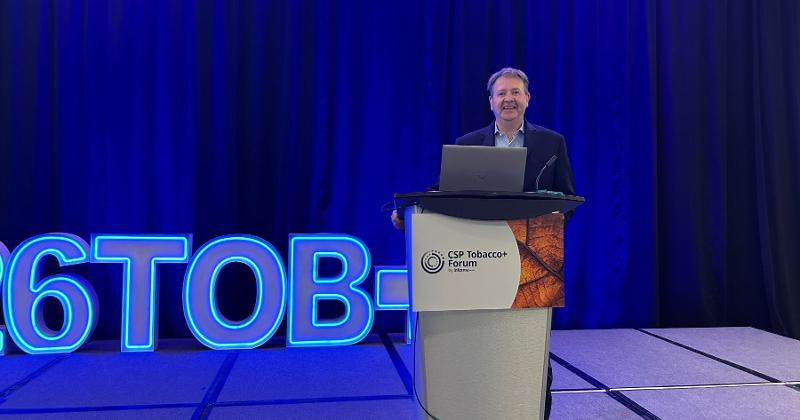
The National Association of Tobacco Outlets is calling for more FDA marketing authorizations, greater transparency in the PMTA process and continued enforcement against unauthorized e-cigarettes, even as its executive director, David Spross, points to recent regulatory developments as signs of progress. At the state level, excise taxes, flavor restrictions and vapor product directories remain major issues for tobacco retailers. By August 2026, 17 states had enacted laws establishing state-managed e-cigarette directories or similar systems.
Innovation
Sep.29 by 2Firsts Perspectives
Italy Proposes Earlier Vape and HTP Tax Hikes, New Rules for E-Liquid Pricing, Exclusive Deals and Distribution
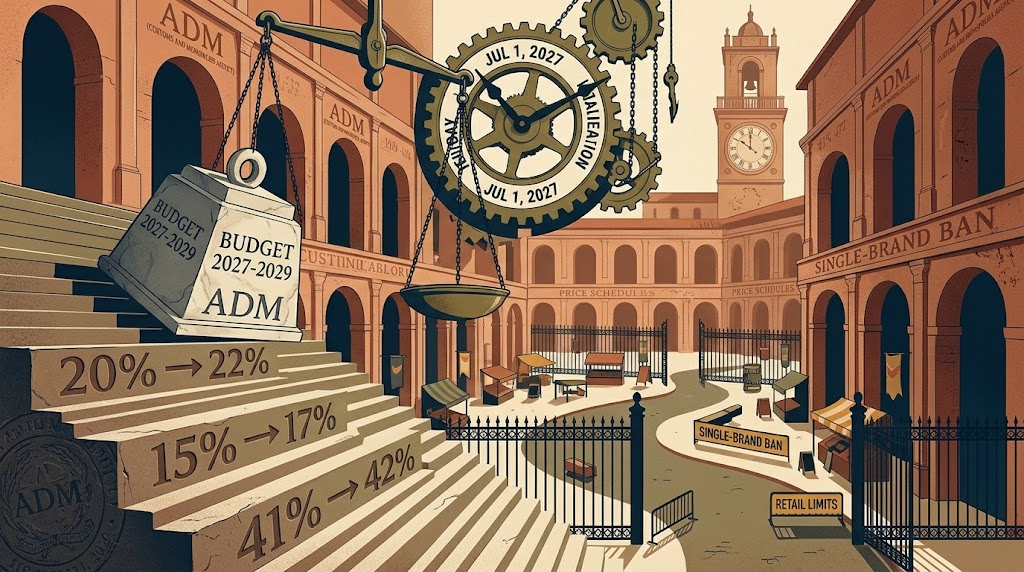
Italy's proposed 2027–2029 budget would bring forward scheduled tax increases for e-cigarette liquids and heated tobacco products from January 1, 2028, to July 1, 2027. The consumption tax coefficient for nicotine-containing e-liquids would rise from 20% to 22%, that for nicotine-free liquids and applicable flavorings from 15% to 17%, and the heated-tobacco coefficient from 41% to 42%. The bill would also introduce official retail price schedules for e-liquids, restrict exclusive agreements between retailers and suppliers, and limit single-brand-dominated displays, sales incentives and bundled offers. Importing, authorized warehousing and retailer sourcing arrangements would also change. The proposals remain subject to parliamentary approval and subsequent implementing regulations.
Regulations
Nov.04
GAO Audit Finds Nearly 132,000 FDA Tobacco Applications Waiting an Average 1,266 Days as Nicotine Pouch Pilot Practices Move Into Vape PMTA Reviews
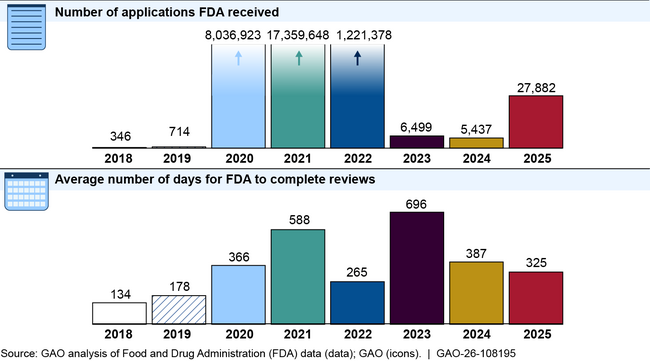
A U.S. Government Accountability Office audit found that 131,915 tobacco product applications submitted to the FDA since 2018 remained without a final review as of December 31, 2025, with pending applications waiting an average of 1,266 days. GAO also found FDA lacks the data needed to systematically determine whether scientific reviews meet applicable timelines. HHS agreed to upgrade the agency's tracking systems. At the same time, FDA has begun applying lessons from its nicotine pouch PMTA pilot to e-cigarette reviews, while changes to enforcement policy and electronic submissions are making the specific stage of a PMTA increasingly relevant to market access.
FDA
Oct.03
North Carolina Tightens Vape Product Directory Enforcement, Expands State and Local Powers as Violators Face Fines, Product Seizures and License Suspension or Revocation
North Carolina has expanded enforcement of its vapor product directory rules, authorizing more state and local law enforcement participation and establishing a task force led by the State Bureau of Investigation. The legislation requires at least one unannounced compliance inspection annually for retailers, distributors and wholesalers handling covered products. Penalties effective October 1, 2026, include civil fines of $500–$750 for a first violation and $1,000–$1,500 for repeated violations within 12 months, along with potential license suspension or revocation. Manufacturers may face penalties of $10,000 per unlisted product. The measures strengthen the product directory system established in 2024.
Regulations
Oct.28
South Korea's Tobacco Plan Excludes 6-Methyl Nicotine as Customs Tightens Import Controls and Analog Liquid Imports Fall 83%
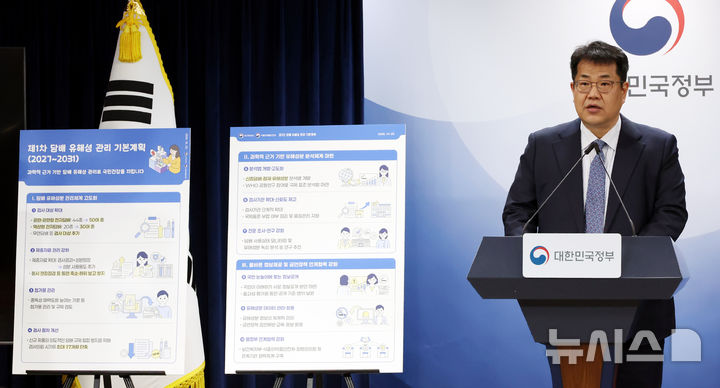
South Korea's government unveiled its first Tobacco Harm Management Basic Plan for 2027–2031 on October 29, 2026, proposing broader testing of vaping and heated tobacco products while excluding nicotine analogs such as 6-methyl nicotine. Synthetic nicotine came under tobacco regulation on April 24, and a June investigation found 6-methyl nicotine in 12 liquid inhalation products marketed as nicotine-free. Customs data released in September showed that imports of nicotine analog solutions fell 83.3%, from 12 metric tons in January–April to 2 metric tons in May–August. By September 20, imports had reached approximately 15 metric tons for the year, with 99.99% originating from China. Customs authorities have tightened pre-clearance testing and supply-chain documentation requirements, while the MFDS expects to complete its assessment of nicotine analog hazards by the end of 2026.
Regulations
Nov.04
Reynolds Puts Nearly 183,000 U.S. Contracted Outlets Under Age-Verification Rules, Covering 94% of Volume — Can It Shift an Unauthorized Vape Market?
Reynolds American says nearly 183,000 U.S. retail outlets are under contract, with its Retail Marketing Plan Contract covering about 94% of company volume and requiring point-of-sale age verification. The company combines those contracts with We Card, TruAge, NACS-linked infrastructure and POS integration, while enhanced Vuse Pro retail rules add ID scanning, purchase limits and stronger underage-sales accountability. The initial Vuse Pro rollout targets about 50,000 stores. The system is taking shape as unauthorized vapor products remain dominant in parts of the U.S. market: a 2026 study estimated they accounted for 69.4% of tracked brick-and-mortar e-cigarette dollar sales in December 2025.
Special Report
Oct.15