Louisiana Releases VAPE List, to Remove Unauthorized Products from March 18

Regulations by 2FIRSTS.ai
Mar.13.2024
Louisiana Releases VAPE List, to Remove Unauthorized Products from March 18
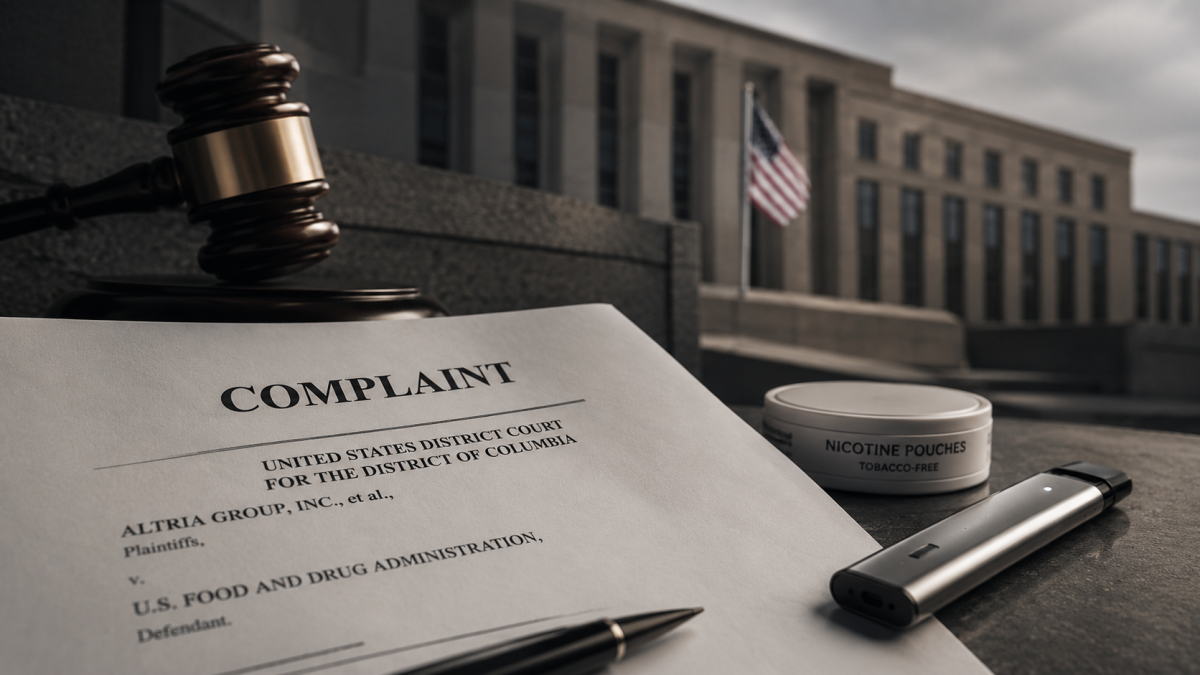
Louisiana to resume enforcing e-cigarette sales laws in 2024, requiring FDA-approved products only. Law previously challenged but now upheld.

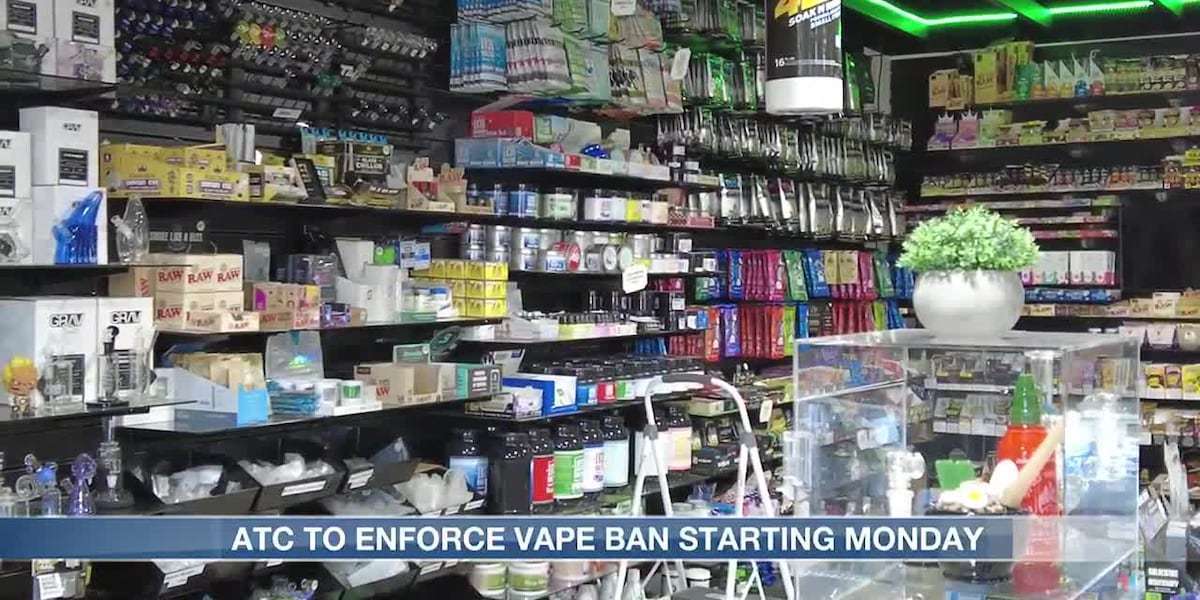
According to a report by the American news station KPLC, the Louisiana Office of Alcohol and Tobacco Control (ATC) has announced that laws regulating the marketing and sales of e-cigarette products will be reinstated on March 18, 2024.


The office will publicly release a V.A.P.E. list on its official website, listing all e-cigarette or alternative nicotine products approved by the U.S. Food and Drug Administration (FDA). Since the law has taken effect, all unapproved e-cigarette products within the state of Louisiana cannot be legally sold, and retailers are required to remove products that are not included on this list.


Previously, the implementation of the law was suspended due to a lawsuit filed by the Louisiana convenience store and e-cigarette association, claiming that the law violated the constitution. However, following a permanent injunction hearing on February 21, 2024, the ATC stated that the court deemed the injunction no longer applicable, and the e-cigarette law can now be enforced.


Initially, in June 2023, the ATC passed a bill to triple the e-cigarette tax in Louisiana and ban the sale of e-cigarette products not approved by the FDA. The additional tax revenue is expected to be allocated to departments such as the state police.


This tax increase stems from Bill 414, HB635, which was signed into law by former Governor John Bel Edwards.


We welcome news tips, article submissions, interview requests, or comments on this piece.

Please contact us at info@2firsts.com, or reach out to Alan Zhao, CEO of 2Firsts, on LinkedIn


Notice

1.  This article is intended solely for professional research purposes related to industry, technology, and policy. Any references to brands or products are made purely for objective description and do not constitute any form of endorsement, recommendation, or promotion by 2Firsts.

2.  The use of nicotine-containing products — including, but not limited to, cigarettes, e-cigarettes, nicotine pouchand heated tobacco products — carries significant health risks. Users are responsible for complying with all applicable laws and regulations in their respective jurisdictions.

3.  This article is not intended to serve as the basis for any investment decisions or financial advice. 2Firsts assumes no direct or indirect liability for any inaccuracies or errors in the content.

4.  Access to this article is strictly prohibited for individuals below the legal age in their jurisdiction.


Copyright


This article is either an original work created by 2Firsts or a reproduction from third-party sources with proper attribution. All copyrights and usage rights belong to 2Firsts or the original content provider. Unauthorized reproduction, distribution, or any other form of unauthorized use by any individual or organization is strictly prohibited. Violators will be held legally accountable.

For copyright-related inquiries, please contact: info@2firsts.com


AI Assistance Disclaimer


This article may have been enhanced using AI tools to improve translation and editorial efficiency. However, due to technical limitations, inaccuracies may occur. Readers are encouraged to refer to the cited sources for the most accurate information.

We welcome any corrections or feedback. Please contact us at: info@2firsts.com

Special Report|South Korean Lawmaker Queries China Tobacco Regulator Over Synthetic Nicotine as Export-Rule Gaps Emerge
A South Korean lawmaker has asked China’s tobacco regulator to clarify rules for e-cigarettes containing synthetic nicotine amid questions over product declarations and possible tax losses. The dispute exposes gaps between Chinese export requirements and destination-market rules, while underscoring the global impact of China’s licensing and traceability policies.
Jul.10
Australia’s TGA Places Nicotine Pouches Under Therapeutic Goods Rules From July 24, Blocking Imports of Unapproved Products
Australia is strengthening controls on nicotine pouches under its existing therapeutic goods regulatory framework. According to the Therapeutic Goods Administration (TGA), nicotine pouch products must meet regulatory requirements, and unapproved products cannot be legally imported. The move follows Australia’s broader approach of maintaining strict oversight of nicotine products, including nicotine-containing vapes. As nicotine pouches expand globally, Australia’s regulatory approach highlights growing differences in how countries manage emerging smoke-free nicotine products.
Regulations
Jul.27
One Nation Proposes 50% Tobacco Excise Cut as Australia’s Illicit Market Expands
Australian One Nation leader Pauline Hanson has proposed cutting tobacco excise by 50% and freezing indexation until June 30, 2028, in a bid to lower legal cigarette prices and reduce the price advantage of the illicit tobacco market.
Jun.18
FDA 2025 NYTS: Youth E-Cigarette Use Declines but Unauthorized Disposables Remain Prominent; Nicotine Pouch Use Stays Low
The U.S. Food and Drug Administration (FDA) released its 2025 National Youth Tobacco Survey analysis, saying about 2.01 million U.S. middle and high school students currently used any tobacco product; among current youth e-cigarette users, unauthorized disposable brands including Geek Bar, Elf Bar, Lost Mary and Raz had high reported shares, potentially making them a focus for future enforcement.
Jun.24
CCPIT Says Trade Friction Index for China-Related Electronics Sector Remains High, With Vape Products Among Areas of Focus
China Council for the Promotion of International Trade (CCPIT) held its July regular press conference on July 31, 2026, releasing the May 2026 Global Economic and Trade Friction Index. CCPIT spokesperson Yang Fan said the global trade friction index stood at 95 in May, remaining at a medium-to-high level. By industry, the electronics sector recorded the highest trade friction index among 13 monitored industries. In China-related trade frictions, the index stood at 93, with electronics products including drones, chips and vape products among areas where friction remained elevated.
Aug.03
Malaysia Police Plan Saliva Tests at Roadblocks to Detect Synthetic Drugs Mixed Into Vape Liquids
Malaysian police plan to use saliva test kits at roadblocks to detect drivers using synthetic liquid drugs marketed as “Piu Piu” and “Magic Mushroom,” substances that authorities say are mixed into vape liquids and inhaled through e-cigarette devices, raising road-safety concerns and adding pressure on vape regulation.
Jun.29