Luxembourg Authorities Find Majority of E-Cigarette Products Non-Compliant

Aug.01.2024
Luxembourg Authorities Find Majority of E-Cigarette Products Non-Compliant
Luxembourg environmental agency finds majority of e-cigarette and e-liquid samples fail to comply with tobacco laws, unregistered for sale.

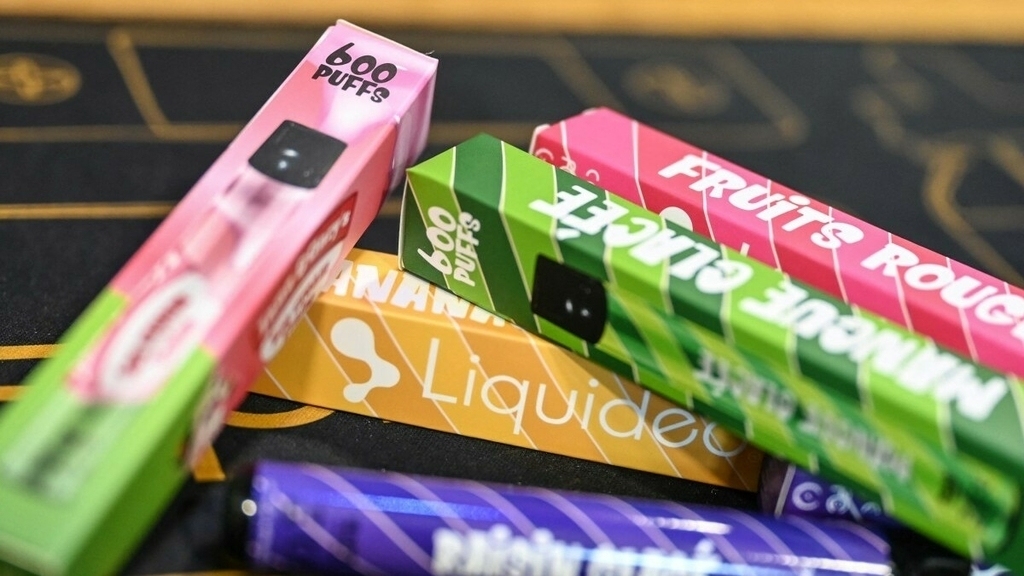
According to RTL on July 31st, the Luxembourg Environmental Administration (Dé Lëtzebuerger Ëmweltverwaltung, abbreviated as AEV) conducted inspections on 45 e-cigarette and e-liquid samples. Out of the 45 samples, 86% of the products (39) did not comply with Luxembourg's tobacco laws and were not registered, and therefore cannot be sold on the Luxembourg market.


These products were purchased from 11 locations, including specialty stores, gas stations, and tobacco shops, with a focus on inspecting labels and packaging. AEV specifically checked whether the packaging had necessary child safety measures and general warning signs.


Investigation data shows that labels of 27 products are not clear enough. 20 products are in violation of regulations, with issues such as missing icons, warning signs, and danger labels. Some labels lack German or French language markings. The parties involved have been requested to voluntarily make improvements.


In addition, AEV also tested the chemical components of 13 disposable e-cigarettes, and the investigation results showed that all products complied with regulations and did not exceed the allowable limits.


AVE reminds that after disposable e-cigarettes are used, they become electronic waste and must be recycled by Ecotrel company. They should not be casually thrown into black garbage bins or the natural environment.


We welcome news tips, article submissions, interview requests, or comments on this piece.

Please contact us at info@2firsts.com, or reach out to Alan Zhao, CEO of 2Firsts, on LinkedIn


Notice

1.  This article is intended solely for professional research purposes related to industry, technology, and policy. Any references to brands or products are made purely for objective description and do not constitute any form of endorsement, recommendation, or promotion by 2Firsts.

2.  The use of nicotine-containing products — including, but not limited to, cigarettes, e-cigarettes, nicotine pouchand heated tobacco products — carries significant health risks. Users are responsible for complying with all applicable laws and regulations in their respective jurisdictions.

3.  This article is not intended to serve as the basis for any investment decisions or financial advice. 2Firsts assumes no direct or indirect liability for any inaccuracies or errors in the content.

4.  Access to this article is strictly prohibited for individuals below the legal age in their jurisdiction.


Copyright


This article is either an original work created by 2Firsts or a reproduction from third-party sources with proper attribution. All copyrights and usage rights belong to 2Firsts or the original content provider. Unauthorized reproduction, distribution, or any other form of unauthorized use by any individual or organization is strictly prohibited. Violators will be held legally accountable.

For copyright-related inquiries, please contact: info@2firsts.com


AI Assistance Disclaimer


This article may have been enhanced using AI tools to improve translation and editorial efficiency. However, due to technical limitations, inaccuracies may occur. Readers are encouraged to refer to the cited sources for the most accurate information.

We welcome any corrections or feedback. Please contact us at: info@2firsts.com

2Firsts Interview | Bengt Wiberg: Why the Oral Health Risks of Nicotine Pouches Merit Further Study
As nicotine pouches gain global traction as a lower-risk alternative to smoking, questions are emerging about their potential oral health effects. In a 2Firsts interview, Stingfree AB founder Bengt Wiberg discusses why gum irritation and oral lesions warrant closer scrutiny within the broader framework of tobacco harm reduction.
Jan.06
South Korea to Classify Synthetic Nicotine E-Cigarettes as Tobacco from April 2026
South Korea will implement amendments to its Tobacco Business Act on April 24, 2026, officially classifying synthetic nicotine liquid e-cigarettes as tobacco. This marks the first revision of the legal definition of tobacco since 1988. Once in effect, synthetic nicotine e-cigarettes will be subject to existing tobacco regulations, including health warnings, advertising restrictions, smoke-free area enforcement, and youth protection measures.
Dec.29 by 2FIRSTS.ai
New Zealand Survey Finds Adult Daily Vaping Prevalence at 11.7%, Concentrated Among Youth and Disadvantaged Groups)
A survey report released by the Public Health Communication Centre Aotearoa shows that despite New Zealand implementing stricter vaping regulations in 2025, including a ban on disposable products and tighter flavour restrictions, daily vaping rates continue to rise. The research body urges close monitoring of behavioural changes following the new rules coming into force.
Dec.05 by 2FIRSTS.ai
Ispire and IKE Tech Welcome FDA Enforcement Boost, Highlight Need for Tech-Based Controls
Ispire Technology and IKE Tech issued statements after the U.S. FDA received Congressional funding and directives to strengthen enforcement against illicit vaping products. The companies emphasized updated guidance, multi-agency coordination and the role of blockchain and age-verification technologies in preventing illegal imports and protecting youth.
Nov.20
Russia Plans to Allow Regional Vape Sales Bans from September 2026
Russia’s Ministry of Finance (Минфин) has drafted amendments to an existing licensing bill that would grant regional authorities the power to ban retail sales of vapes and nicotine liquids from September 1, 2026, to September 1, 2031, RBC reported. Stores violating the ban would lose their tobacco retail licenses.
Nov.19 by 2FIRSTS.ai
Report Says Teen e-cigarette use on the rise, with majority of sales coming from disposable products
Monitoring a Changing Tobacco Product Market in the United States is the second annual review from the Monitoring Tobacco Product Use project, analyzing retail scanner data from January 2019 to December 2024 and TEEN+ survey data.
Jan.07 by 2FIRSTS.ai