Key points:
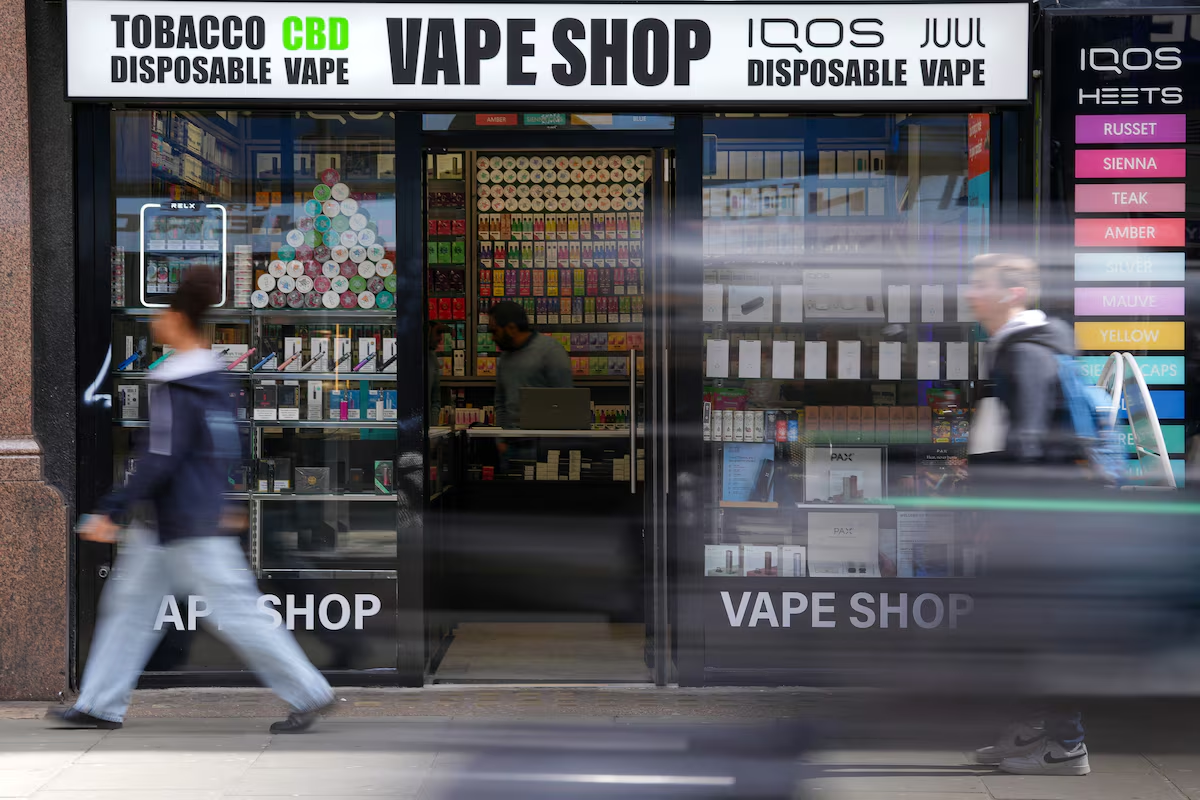
·The e-cigarette industry in Malaysia is calling on the government to regulate rather than ban e-cigarette products, saying that a ban would push users towards the black market and punish legal businesses.
·The Malaysian e-cigarette association and retail e-cigarette association believe that strengthening enforcement and appropriate regulation within existing legal frameworks can better address issues of product misuse and protect public health.
·Data shows that even in areas where bans are in place, e-cigarette usage remains high, indicating that bans are not effectively curbing usage.
·The e-cigarette industry makes a significant contribution to the Malaysian economy, with an estimated value of around $800 million by 2023, involving a large number of jobs and businesses.
【2Firsts News Flash】According to a report by The Straits Times on July 29, the Malaysian e-cigarette industry is urging the government to regulate e-cigarette products instead of banning them, stating that a ban would only drive users to the black market and punish legitimate businesses that comply with the law.
The Malaysia Vape Chamber of Commerce (MVCC) and the Malaysia Retail E-Cigarette Association (MRECA) have stated that strengthening enforcement and appropriate regulation within the existing legal framework will more effectively address the issue of product abuse and protect public health.
MVCC Secretary-General Ridhwan Rosli stated that banning e-cigarette products will drive consumers towards unregulated and potentially dangerous alternatives.
“Prohibition has never been an effective method for addressing the issue of abuse. History has shown that when consumers are unable to access legal e-cigarette products, they turn to the black market, exposing themselves to the risks of unregulated and unsafe substances.”
Health Minister Datuk Seri Dr. Dzulkefly Ahmad announced in Parliament that the government is considering a complete ban on the use and sale of e-cigarettes.
Reidman stated that the root of the problem lies in illegal and unregulated markets, rather than licensed industries.
“Banning legal sales would unfairly punish responsible businesses that comply with government regulations and support harm reduction.”
He cited data from the 2019 National Health and Morbidity Survey, which showed that 4.9% of Malaysians, about 1.1 million people, were using unregulated e-cigarette products, despite the ban on nicotine-containing e-cigarettes at that time.
“Despite being banned in Johor and Kelantan states since 2015, the usage rates for e-cigarettes remain high, with over 150,000 users in Johor and over 30,000 users in Kelantan. Even in Singapore, where a comprehensive ban is in place, the usage rate of e-cigarettes has increased from 3.9% in 2021 to 5.2% in 2023, according to a survey by Milieu Insight. These examples suggest that bans are not effective.”
He stated that the e-cigarette industry makes a significant contribution to the economy, with an estimated valuation of 34.8 billion Malaysian Ringgit (approximately 8 billion US dollars) by 2023. It employs over 31,500 workers and has 10,000 retail outlets, many of which are operated by indigenous entrepreneurs.
“We welcome the establishment of an expert committee to study e-cigarette policies, but it is crucial to include the legal industry in the discussion.”
Datuk Adzwan Ab Manas, Chairman of the Malaysian Retail E-Cigarette Association, has raised concerns over delays by the Ministry of Health in approving e-cigarette products, despite companies complying with licensing and regulatory requirements.
“We already have the Public Health Control of Smoking Products Act of 2024. Use it to regulate strictly, instead of trying to circumvent it through a blanket ban.”
He stated that a lack of enforcement and transparency is pushing consumers towards the black market.
“We are willing to help with law enforcement, oversight, and market clean-up. However, the government must act transparently and professionally, rather than punishing those who comply with regulations.”
Professor Sharifa Ezat Wan Puteh, a community health expert from the National University of Malaysia, warned that a complete ban on e-cigarettes could backfire without strong enforcement and public education.
She said that other countries have different regulations for e-cigarettes.
“For example, the UK allows e-cigarette products under proper regulation, despite also permitting substances like tetrahydrocannabinol (THC). The US does the same. In contrast, Thailand bans e-cigarettes but still allows traditional cigarettes, as it has investments in the tobacco industry. E-cigarettes are seen as competitors and are therefore prohibited, although users still obtain the products through illegal means.”
She said that the Philippines has implemented regulatory measures allowing the use of e-cigarettes.
“Their health department encourages smokers to quit smoking by switching to e-cigarettes under appropriate supervision.”
We welcome news tips, article submissions, interview requests, or comments on this piece.
Please contact us at info@2firsts.com, or reach out to Alan Zhao, CEO of 2Firsts, on LinkedIn
Notice
1. This article is intended solely for professional research purposes related to industry, technology, and policy. Any references to brands or products are made purely for objective description and do not constitute any form of endorsement, recommendation, or promotion by 2Firsts.
2. The use of nicotine-containing products — including, but not limited to, cigarettes, e-cigarettes, nicotine pouchand heated tobacco products — carries significant health risks. Users are responsible for complying with all applicable laws and regulations in their respective jurisdictions.
3. This article is not intended to serve as the basis for any investment decisions or financial advice. 2Firsts assumes no direct or indirect liability for any inaccuracies or errors in the content.
4. Access to this article is strictly prohibited for individuals below the legal age in their jurisdiction.
Copyright
This article is either an original work created by 2Firsts or a reproduction from third-party sources with proper attribution. All copyrights and usage rights belong to 2Firsts or the original content provider. Unauthorized reproduction, distribution, or any other form of unauthorized use by any individual or organization is strictly prohibited. Violators will be held legally accountable.
For copyright-related inquiries, please contact: info@2firsts.com
AI Assistance Disclaimer
This article may have been enhanced using AI tools to improve translation and editorial efficiency. However, due to technical limitations, inaccuracies may occur. Readers are encouraged to refer to the cited sources for the most accurate information.
We welcome any corrections or feedback. Please contact us at: info@2firsts.com