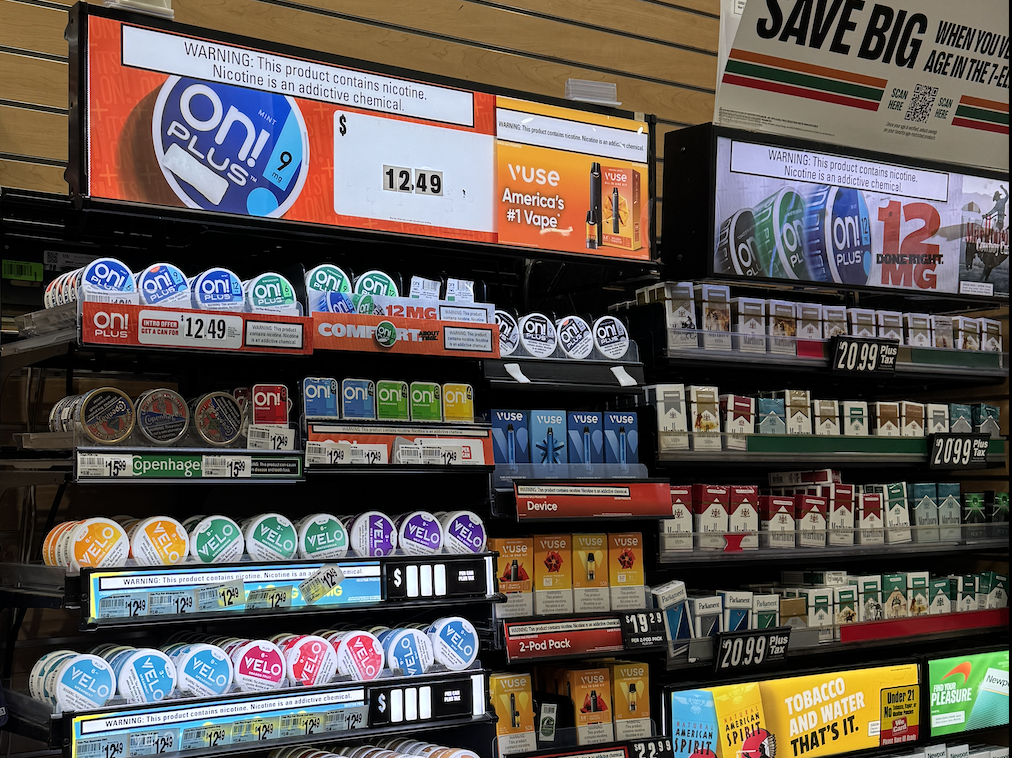
The evidence-based self-help manual "Stop smoking, start vaping" is authored by Dr. Colin Mendelsohn, an expert in smoking cessation and harm reduction in Australia. According to Mendelsohn, as quoted by Focus M, "For many adult smokers in Malaysia who are unable to quit by other means, it should be encouraged as an aid to quitting, as is the case in the UK and New Zealand.
The Malaysian government's "Tobacco Endgame 2040" is a strategic plan to make Malaysia a smoke-free country by 2040. As part of this plan, the local government recently announced a proposal to ban the sale of cigarettes, tobacco products, Vapes and e-cigarettes to anyone born after 2005.
Jamaluddin stated that it is illegal to sell tobacco and other smoking products to individuals born after 2005. He added that Malaysia believes this will have a significant impact on preventing and controlling non-communicable diseases.
The Health Minister stated that one day, the next generation "will no longer know what cigarettes are". This is in line with Mendelsohn's perspective. Dr. Arifin Fi, a local doctor in Malaysia with experience in addiction treatment, emphasized that reducing tobacco harm (THR) methods will help address smoking problems across the country.
The correct balance has been achieved in reducing the harmful effects of tobacco.
Mendelsohn added that without an approved safer alternative product, the country is unlikely to reach its smoke-free target. "If it is not in place, Malaysia is highly unlikely to achieve the smoke-free goal in 2040," explained THR experts, emphasizing the need for a regulatory system that is conducive to reporting harmful effects and recalling unsafe products.
Simultaneously, experts point out that regulations on smoking should aim to provide high-quality, regulated products for adult smokers while also limiting access to these products for non-smoking youth. The key is to strike a balance between these two goals.
Source: VapingPost
Malaysia's Tobacco Endgame: 2040 Malaysia has set an ambitious goal to achieve a "tobacco endgame" by the year 2040. This means reducing the number of smokers in the country to less than 5% of the population. To achieve this goal, the government plans to implement a series of measures, including increasing taxes on tobacco products, banning advertising and promotion of such products, and providing effective cessation services for smokers who want to quit. The tobacco endgame is a growing movement around the world, with several countries like New Zealand and Finland also setting similar goals. This initiative aims to create a smoke-free future, where tobacco-related illnesses and deaths will be significantly reduced. Malaysia's plan has received support from health organizations and advocacy groups, who believe that it will be a significant step towards improving public health and reducing healthcare costs. However, there are concerns that the country's large tobacco industry may resist these measures, and that the government may not have the political will to implement them effectively. Nevertheless, Malaysia's tobacco endgame is an important development in the global fight against tobacco use, and it will be interesting to see how the country progresses towards achieving this ambitious goal.
Disclaimer
This article is provided solely for professional research, industry discussion, and informational purposes. Any references to brands, companies, products, technologies, or policies are made for factual reporting and analytical purposes only, and do not constitute endorsement, recommendation, promotion, or advertising by 2Firsts.
Nicotine-containing products, including but not limited to cigarettes, e-cigarettes, heated tobacco products, and nicotine pouches, carry significant health risks. Readers are responsible for complying with all applicable laws and regulations in their respective jurisdictions, including age restrictions and access limitations.
The information contained in this article should not be regarded as investment, legal, medical, regulatory, or commercial advice. While 2Firsts strives to ensure the accuracy and reliability of its content, it does not assume liability for any direct or indirect loss arising from errors, omissions, inaccuracies, or reliance on the information contained herein.
This article is not intended for individuals below the legal age for accessing tobacco or nicotine-related information in their jurisdiction.
Copyright Notice
This article is either original content produced by 2Firsts or content reproduced, translated, summarized, or adapted from third-party sources with attribution where applicable. The intellectual property rights of the original content remain with 2Firsts or the respective original rights holders.
No individual or organization may copy, reproduce, distribute, republish, modify, translate, or otherwise use this content without prior authorization. Any unauthorized use may result in legal action.
For copyright-related inquiries, corrections, or removal requests, please contact: info@2firsts.com.
AI-Assisted Translation and Editing Notice
Portions of this article may have been translated, edited, or reviewed with the assistance of artificial intelligence tools to improve efficiency and readability. Due to the limitations of AI-assisted translation and editing, discrepancies, omissions, or inaccuracies may exist when compared with the original source.
Where applicable, readers are advised to refer to the original source for the most complete and accurate information. If you identify any errors or believe that any content infringes upon your rights, please contact us at info@2firsts.com, and we will review and address the matter promptly.