Massachusetts Set to Introduce Generational Tobacco Ban in 2025

Nov.27.2024
Massachusetts Set to Introduce Generational Tobacco Ban in 2025
Legislators in Massachusetts plan to introduce a bill that would prohibit the purchase of tobacco products by individuals born after a certain date, potentially making the state the first to implement such a generational tobacco ban.

Massachusetts lawmakers—including Senator Jason Lewis and Representatives Tommy Vitolo and Kate Lipper-Garabedian—are planning to introduce a bill next year that would prohibit individuals born after a certain date from purchasing tobacco products, according to a report from Halfwheel on November 26th.


While the specific date cutoff is not yet known, the bill will not affect those already of legal age at the time of introduction.


Although Massachusetts may not be the first state to propose banning flavored tobacco, it could become the first to successfully pass such a law. With one of the highest cigar taxes in the nation and a history of banning flavored tobacco products, Massachusetts is considered one of the least tobacco-friendly states in the U.S.


Earlier this year, the Massachusetts Supreme Court upheld a local law in Brookline that bans tobacco and e-cigarette sales to anyone born after January 1, 2000. This precedent has encouraged lawmakers to pursue similar state-level legislation. Meanwhile, a proposal in Peabody to implement a similar ban has been temporarily suspended due to significant public opposition.


In 2018, Massachusetts raised the minimum legal purchase age for tobacco to 21, becoming the sixth state to do so. Now, with this proposed ban, the state may be poised to further cement its role as a leader in tobacco control.


Special Report | Can Nicotine Be Replaced? 6-MN Is Already on the Market While Key Human Evidence Is Still Missing
Nicotine analogues such as 6-methylnicotine are already appearing in e-cigarettes and oral pouches, even as key human evidence remains limited. A new Nixodine-S study adds nonclinical data showing differences from nicotine in cytotoxicity and receptor activity, while independent studies point to a more complex toxicological picture. With supply-chain activity growing and FDA seeking clearer authority over nicotine analogues, the industry now faces a larger question: what evidence is needed before these substances can credibly replace nicotine?
SCIENCE
Sep.23
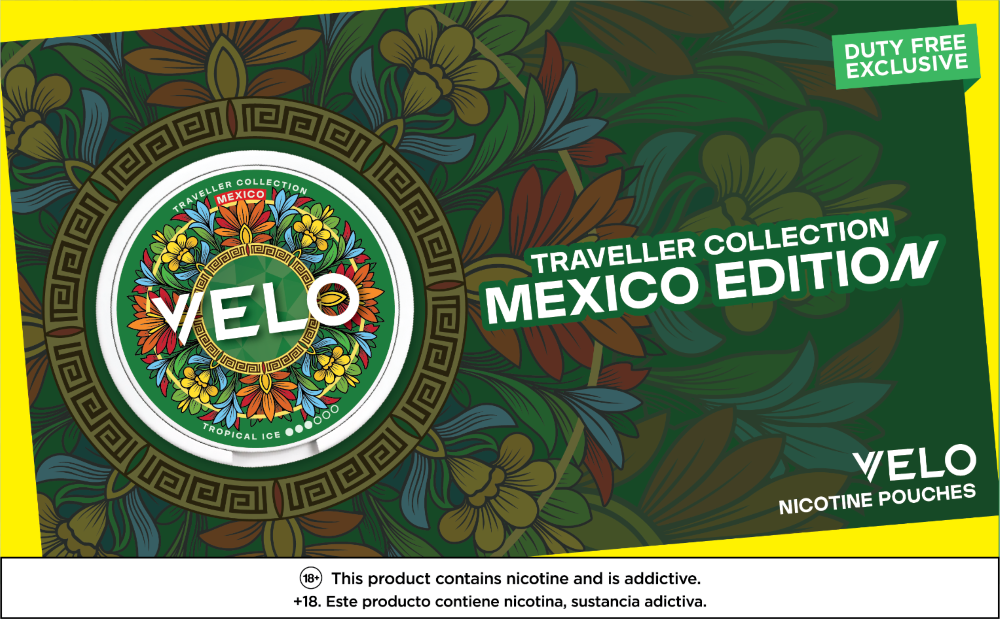
Product | BAT Expands VELO Travellers’ Collection With Mexico, Spain and Sweden Summer Edition Nicotine Pouches
British American Tobacco (BAT) Global Travel Retail has expanded the VELO Travellers’ Collection with three new Summer Editions: Mexico, Spain and Sweden. Inspired by destination themes, the new nicotine pouch variants are designed for global travel-retail channels. The launch further strengthens VELO’s positioning as a travel-retail exclusive product collection.
Aug.27
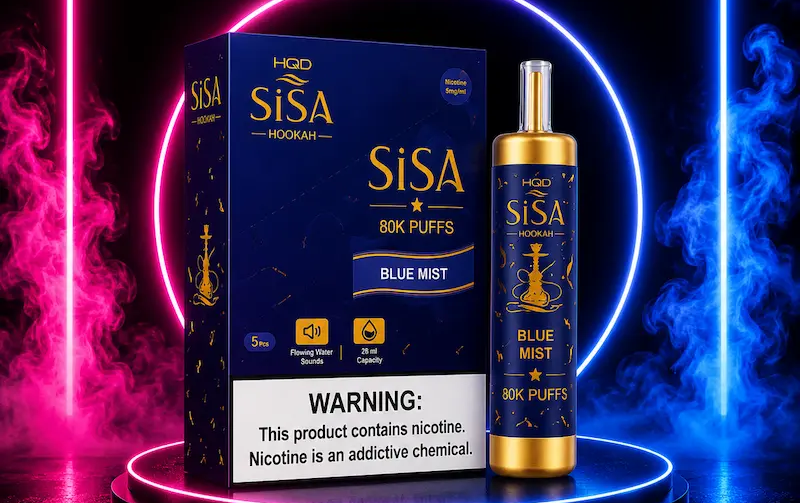
Product | HQD SiSA 80K Enters the U.S. Market With a Hookah-Inspired Approach to the High-Capacity Disposable Segment
The HQD SiSA 80K Hookah Disposable Vape has appeared across U.S. and cross-border online retail channels. The device comes prefilled with 28ml of e-liquid, uses a 5% nicotine salt configuration and carries a brand claim of up to 80,000 puffs. Beyond puff count, the product differentiates itself through hookah-inspired features including adjustable airflow, a flowing-water sound effect and flavor options associated with traditional hookah consumption.
Aug.18
China’s Zhengzhou Tobacco Research Institute develops end-to-end heated tobacco analysis to trace aerosol compound origins
The Zhengzhou Tobacco Research Institute of China National Tobacco Corporation has filed a patent application for an end-to-end method to analyze the migration and transformation of chemical compounds in heated tobacco products. Using GC-Orbitrap/MS non-targeted analysis, the method compares tobacco substrate and aerosol samples to distinguish compounds transferred directly from the substrate from those newly formed during heating, while also calculating transfer rates. In an example involving nine heated tobacco products, the patent identified 17 newly formed thermal decomposition compounds and 38 transferred compounds.
Aug.13
Canada Health Minister Says She Is Not Considering Looser Nicotine Pouch Retail Rules as PMI-Linked Group Pushes for Wider Access
Canadian Health Minister Marjorie Michel says she is not considering loosening retail restrictions on nicotine pouches. Canada regulates pouches containing 4 mg or less of nicotine per unit as non-prescription nicotine replacement therapy and requires newer NRT formats such as pouches to be sold from behind pharmacy counters. Meanwhile, Unsmoke Canada, linked to Philip Morris International's Canadian business, is pushing to allow pouches in convenience stores and other general retail outlets. Health Canada also acknowledges continued unauthorized sales, while recent research shows rising pouch use among Canadian youth aged 16 to 19.
Sep.24
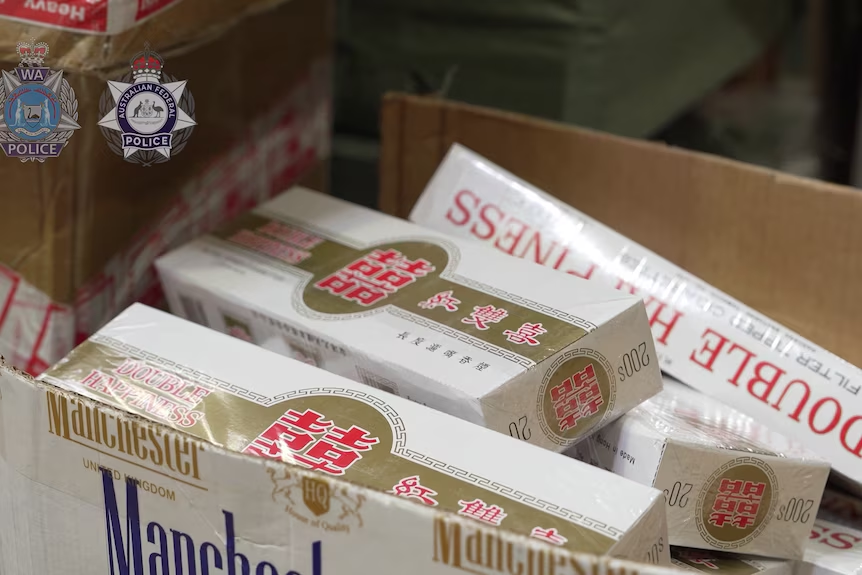
Australia’s One Nation Proposes 75% Tobacco Tax Cut, Says Lower Prices Could Hit Illicit Market
Australia’s One Nation party has proposed cutting tobacco excise by 75%, arguing that lower legal cigarette prices could narrow the gap with illicit tobacco and reduce demand for black-market products. The proposal comes as Australia continues expanding enforcement against illicit tobacco supply chains through border controls, retail inspections and organised-crime investigations. Supporters argue high taxes have contributed to illicit-market growth, while opponents warn that lower tobacco prices could undermine public-health goals. The proposal is a party policy position and has not been adopted by the Australian government.
Aug.18