Massive Seizure of Illegal E-Cigarettes and Cigarettes in UK

News by 2FIRSTS.ai
Jun.15.2023
Massive Seizure of Illegal E-Cigarettes and Cigarettes in UK
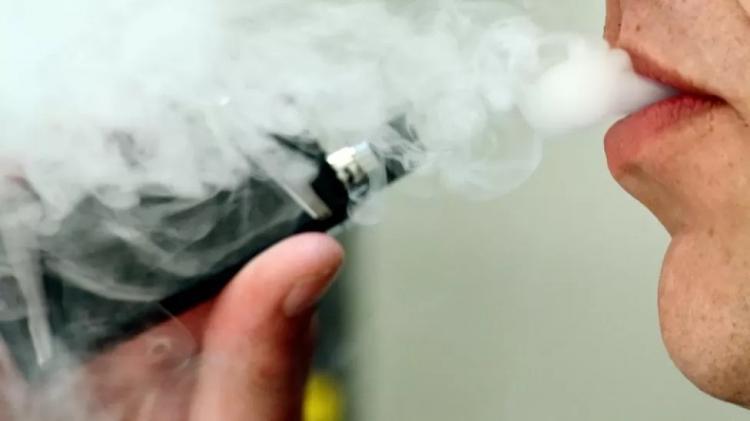
1700 illegal e-cigarettes and 1000 fake cigarettes worth £21,000 were seized by Luton Trading Standards.

According to a report by the BBC, the Luton Trading Standards recently seized 1700 illegal e-cigarettes and nearly 1000 counterfeit cigarette packets, with an estimated total value of £21,000 in the UK.


Maria Lovell, a representative of the Luton City Council, expressed concerns regarding tobacco vendors preying on young and adult individuals within their town.


The city council has expressed the intention to "contact the landlords of the property", similar actions have resulted in the termination of leases in six other locations.


References:


Haringey Police have seized illegal vapes and cigarettes worth £21,000 in a raid in Haringey. 


Disclaimer

This article is provided solely for professional research, industry discussion, and informational purposes. Any references to brands, companies, products, technologies, or policies are made for factual reporting and analytical purposes only, and do not constitute endorsement, recommendation, promotion, or advertising by 2Firsts.

Nicotine-containing products, including but not limited to cigarettes, e-cigarettes, heated tobacco products, and nicotine pouches, carry significant health risks. Readers are responsible for complying with all applicable laws and regulations in their respective jurisdictions, including age restrictions and access limitations.

The information contained in this article should not be regarded as investment, legal, medical, regulatory, or commercial advice. While 2Firsts strives to ensure the accuracy and reliability of its content, it does not assume liability for any direct or indirect loss arising from errors, omissions, inaccuracies, or reliance on the information contained herein.

This article is not intended for individuals below the legal age for accessing tobacco or nicotine-related information in their jurisdiction.


Copyright Notice

This article is either original content produced by 2Firsts or content reproduced, translated, summarized, or adapted from third-party sources with attribution where applicable. The intellectual property rights of the original content remain with 2Firsts or the respective original rights holders.

No individual or organization may copy, reproduce, distribute, republish, modify, translate, or otherwise use this content without prior authorization. Any unauthorized use may result in legal action.

For copyright-related inquiries, corrections, or removal requests, please contact: info@2firsts.com.


AI-Assisted Translation and Editing Notice

Portions of this article may have been translated, edited, or reviewed with the assistance of artificial intelligence tools to improve efficiency and readability. Due to the limitations of AI-assisted translation and editing, discrepancies, omissions, or inaccuracies may exist when compared with the original source.

Where applicable, readers are advised to refer to the original source for the most complete and accurate information. If you identify any errors or believe that any content infringes upon your rights, please contact us at info@2firsts.com, and we will review and address the matter promptly.

The new regulations on nicotine in Argentina are creating caution, expectations, and doubts about the market, according to a local reference in harm reduction for smoking.
The new Argentine framework for tobacco and nicotine marks a shift from prohibition towards registration, traceability, and health surveillance. Juan Facundo Teme told 2Firsts that adult consumers and some of the commercial sector are cautiously optimistic, although concerns remain about flavors, registration costs, and market access.
May.11
KT&G to Cancel All 10.87 Million Treasury Shares on April 23
KT&G disclosed on April 16 that it will cancel all 10.87 million treasury shares it currently holds, with the planned cancellation amounting to about KRW 1.85 trillion,(USD 1.26 billion). The cancellation date is scheduled for April 23.
Apr.17 by 2FIRSTS.ai
New West Virginia Vape Law Begins, With Packaging and Ad Restrictions Ahead
West Virginia’s Vape Safety Act will take effect Thursday, requiring vapor products sold in vape and smoke shops to carry health warnings, legal-age notices, manufacturer information and ingredient disclosures, while introducing new licensing and enforcement rules.
Jun.10
Fifth Circuit Hears Challenge to FDA’s Standard for Reviewing Flavored Vape Applications
A three-judge panel of the U.S. Court of Appeals for the Fifth Circuit heard oral arguments on Tuesday in a case brought by seven small vape-liquid companies challenging the Food and Drug Administration’s denial of marketing authorization for their flavored electronic nicotine products.
Apr.30 by 2FIRSTS.ai
Jeju Health Center to Apply Conventional Tobacco Rules to Liquid E-Cigarettes From April 24
Jeju Health Center said it will apply the same regulations used for conventional tobacco products to all tobacco products, including liquid e-cigarettes, from April 24, while also strengthening public guidance and smoke-free zone management.
Apr.21 by 2FIRSTS.ai
Russian Vape GOST Revision Would Limit Capacity, Packaging Design and Warning Labels
Russia is preparing changes to its e-cigarette state standard GOST R 58109–2018. Under a draft order submitted to Rosstandart, the shelf life of vape devices and liquids would be limited to no more than two years, and capacity would be strictly capped at 2 mL for replaceable capsules, 10 mL for disposable systems and 30 mL for refill containers.
Apr.27 by 2FIRSTS.ai