MO10000 and ELFLIQ: LOST MARY and ELFBAR's New Products in Middle East Market

Elfbar by 2FIRSTS.ai
Jan.23.2024
MO10000 and ELFLIQ: LOST MARY and ELFBAR's New Products in Middle East Market
LOST MARY and ELFBAR, leading e-cigarette brands, are introducing new products MO10000 and ELFLIQ to the Middle East market.

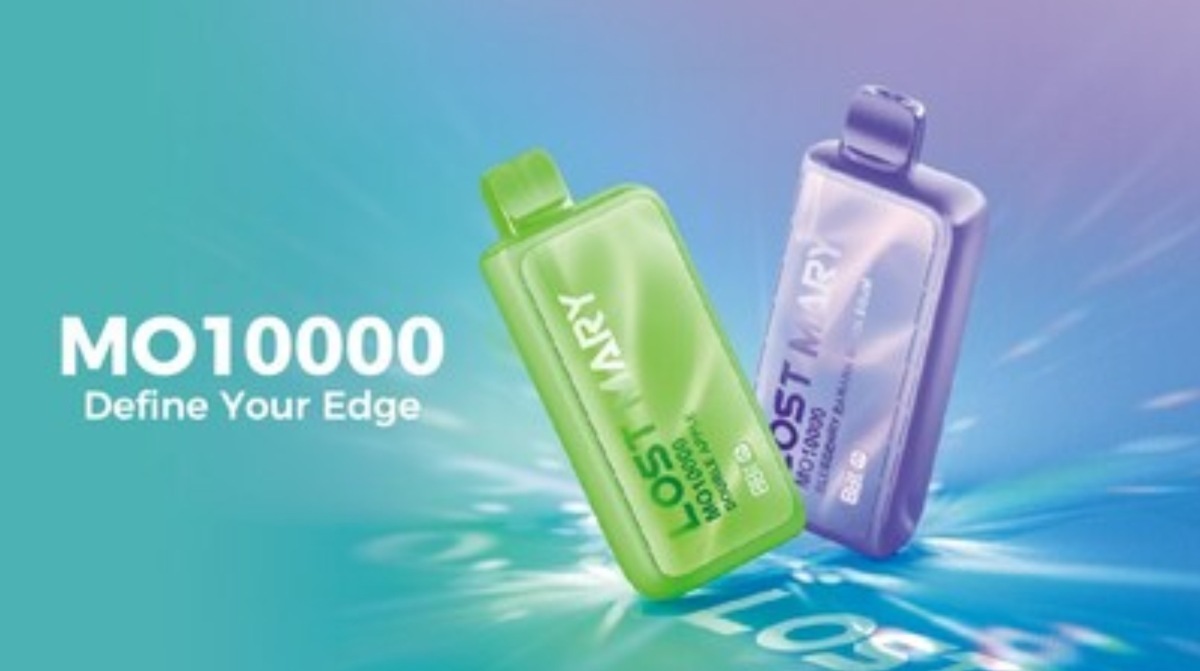
According to a report from PR Newswire on January 22nd, leading global e-cigarette brands LOST MARY and ELFBAR have officially introduced their new products, the MO10000 e-cigarette and ELFLIQ e-liquid, to the Middle East market. These two new offerings are aimed at the development of the Middle East region and will be showcased alongside ELFBAR's BC10000 at the Middle East e-cigarette exhibition in 2024 (MEVS 2024).


ELFBAR's BC10000 made its debut in November 2023 in the United Arab Emirates and Saudi Arabia, catering to the local users' demand for a large-puff e-cigarette.


LOST MARY's MO10000 is equipped with a new atomization solution that allows for a larger mouthpiece and offers a variety of flavors. Additionally, the MO10000 also features real-time power and e-liquid displays, making it convenient for users to access information about e-cigarette usage.


ELFLIQ e-liquid made its debut in the Middle East, introducing 12 flavors to expand the product range of ELFBAR in the region.


We welcome news tips, article submissions, interview requests, or comments on this piece.

Please contact us at info@2firsts.com, or reach out to Alan Zhao, CEO of 2Firsts, on LinkedIn


Notice

1.  This article is intended solely for professional research purposes related to industry, technology, and policy. Any references to brands or products are made purely for objective description and do not constitute any form of endorsement, recommendation, or promotion by 2Firsts.

2.  The use of nicotine-containing products — including, but not limited to, cigarettes, e-cigarettes, nicotine pouchand heated tobacco products — carries significant health risks. Users are responsible for complying with all applicable laws and regulations in their respective jurisdictions.

3.  This article is not intended to serve as the basis for any investment decisions or financial advice. 2Firsts assumes no direct or indirect liability for any inaccuracies or errors in the content.

4.  Access to this article is strictly prohibited for individuals below the legal age in their jurisdiction.


Copyright


This article is either an original work created by 2Firsts or a reproduction from third-party sources with proper attribution. All copyrights and usage rights belong to 2Firsts or the original content provider. Unauthorized reproduction, distribution, or any other form of unauthorized use by any individual or organization is strictly prohibited. Violators will be held legally accountable.

For copyright-related inquiries, please contact: info@2firsts.com


AI Assistance Disclaimer


This article may have been enhanced using AI tools to improve translation and editorial efficiency. However, due to technical limitations, inaccuracies may occur. Readers are encouraged to refer to the cited sources for the most accurate information.

We welcome any corrections or feedback. Please contact us at: info@2firsts.com

Oral Thin-Film Technology Firm CTT Pharma Eyes U.S. Nicotine Product Trials
CTT Pharmaceutical Holdings said it has signed a letter of intent with a U.S. company to conduct clinical trials and testing for several potential nicotine products using its patented oral thin-film technology.
Jun.18
FDA 2025 NYTS: Youth E-Cigarette Use Declines but Unauthorized Disposables Remain Prominent; Nicotine Pouch Use Stays Low
The U.S. Food and Drug Administration (FDA) released its 2025 National Youth Tobacco Survey analysis, saying about 2.01 million U.S. middle and high school students currently used any tobacco product; among current youth e-cigarette users, unauthorized disposable brands including Geek Bar, Elf Bar, Lost Mary and Raz had high reported shares, potentially making them a focus for future enforcement.
Jun.24
New West Virginia Vape Law Begins, With Packaging and Ad Restrictions Ahead
West Virginia’s Vape Safety Act will take effect Thursday, requiring vapor products sold in vape and smoke shops to carry health warnings, legal-age notices, manufacturer information and ingredient disclosures, while introducing new licensing and enforcement rules.
Jun.10
 BAT Raises Growth Outlook for Smokeless Products as Velo and Vuse Gain Momentum
BAT Raises Growth Outlook for Smokeless Products as Velo and Vuse Gain Momentum
British American Tobacco (BAT) has raised its growth outlook for smokeless products, forecasting “mid-teens” growth for its new category portfolio, including vaping and nicotine pouch products, while global cigarette volumes are expected to decline further.
BAT
Jun.02
Nature Health Comment Urges Wider Role for Smoke-Free Nicotine Products in Tobacco Control
Ahead of World No Tobacco Day, a Nature Health Comment by Robert Beaglehole, Ruth Bonita and Tikki Pang argues that regulated smoke-free nicotine products could help accelerate the global decline in smoking. The authors propose a “smoke-free 2040” goal and call for risk-proportionate regulation distinguishing cigarettes from lower-risk nicotine alternatives.
News
May.20
Special Report | Russia, Ukraine and Belarus Launch Fresh Push to Rein in Vaping
Russia, Ukraine and Belarus are tightening vape regulation through different tools, from Ukraine’s stronger enforcement push and Belarus’s proposed advertising restrictions to Russia’s new GOST standard and regional sales-ban mechanism. As black-market concerns persist, some Russian experts argue that China’s tightly controlled but legalised model — built around licensing, traceability and taxation — may offer a more effective alternative to blanket prohibition.
Jul.15