Key Takeaways
- Under current Dutch rules, only trade in illegal e-cigarettes is banned, so NVWA can seize stock only after proving that trade has occurred.
- Health Minister Hermans is drafting a law that would also make possession of larger quantities of vapes illegal when likely intended for trade.
- The proposal is aimed at larger-scale possession rather than an individual carrying one vape, and the exact threshold has not yet been determined.
- Hermans also wants to raise the maximum fines for illegal vape trade, with current fines varying by violation type and repeat offenses.
- The Netherlands has already banned flavored vapes, and the governing coalition has also decided to raise the minimum age for buying all smoking products to 21, with that proposal still being developed.
2Firsts, April 13, 2026
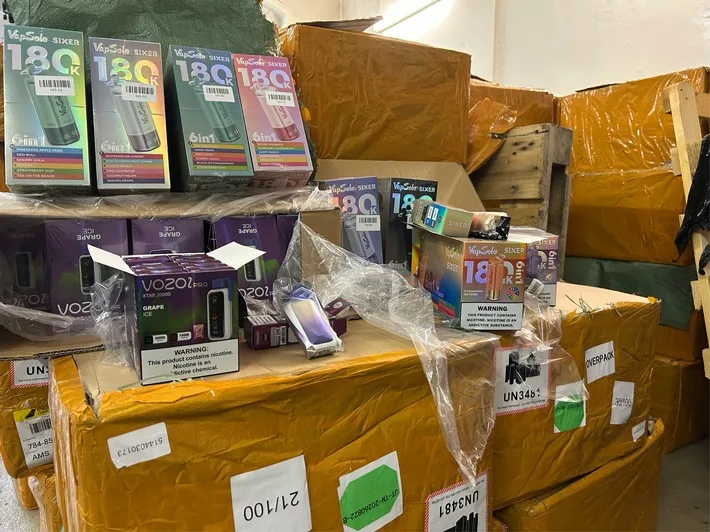
According to Telegraaf, Dutch Health Minister Hermans is drafting a new law that would also ban possession of larger quantities of vapes, allowing the Netherlands Food and Consumer Product Safety Authority (NVWA) to intervene earlier.
Current law bans only illegal trade
The report said that at present only trade in illegal e-cigarettes is prohibited in the Netherlands, meaning NVWA can seize stock only after it has demonstrated that the products were being traded. To make earlier intervention possible, Hermans is now preparing legislation that would also prohibit possession in certain circumstances.
The proposal targets larger quantities likely intended for trade
According to the report, the measure is not aimed at someone possessing a single vape, but at possession of larger quantities that are likely intended for trade. The exact threshold is still being determined.
The Netherlands also plans to raise maximum fines for illegal vape sales
In addition to broadening the ban, Hermans hopes to deter dealers by increasing the maximum fines for illegal trade. The report noted that vapes are often offered through social media platforms such as Snapchat and TikTok. The Dutch government is still examining how high the fines should be.
Current fine levels vary depending on the type of violation and whether the offender has previously broken the rules. In cases linked to the flavored vape ban, fines can range from several hundred euros to nearly EUR 7,000. Hermans said those maximum amounts would in any case be increased substantially.
Flavored vape ban is already in place and purchase age proposal is being developed
The report also said the Dutch government had already introduced a ban on flavored vapes because such products make it more attractive for young people to start “smoking.” In addition, the governing coalition of D66, VVD, and CDA has decided to raise the minimum age for buying all smoking products to 21, although that proposal is still being worked out.
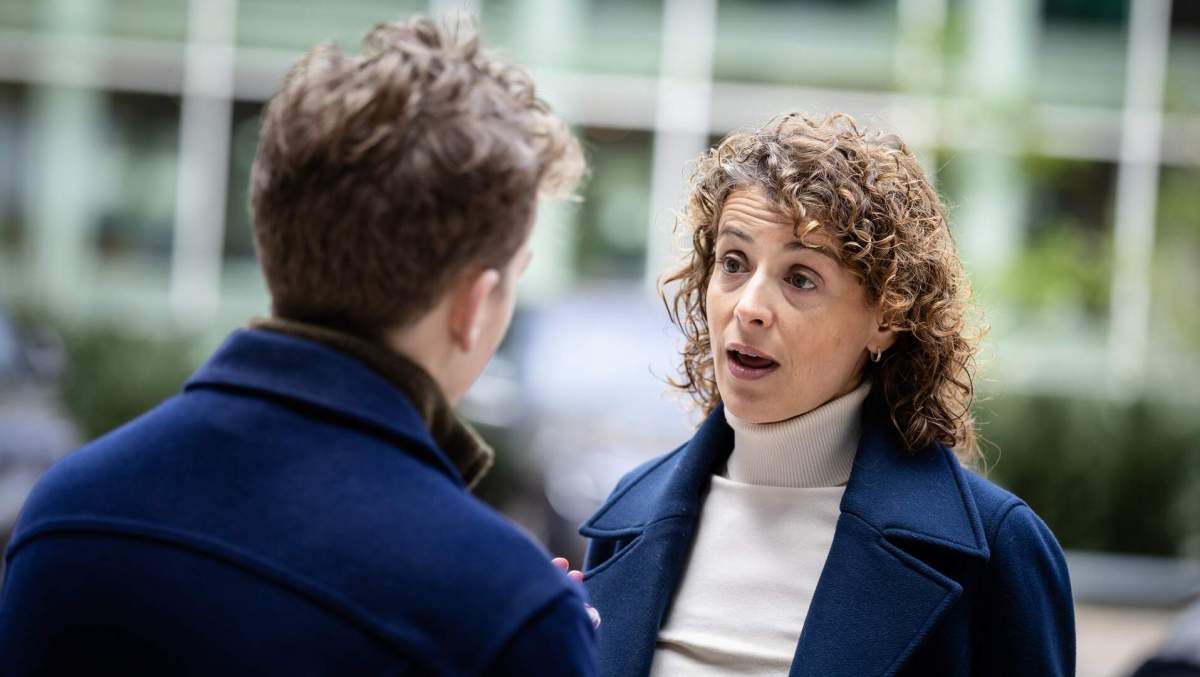
Image source: Telegraaf
We welcome news tips, article submissions, interview requests, or comments on this piece.
Please contact us at info@2firsts.com, or reach out to Alan Zhao, CEO of 2Firsts, on LinkedIn
Notice
1. This article is intended solely for professional research purposes related to industry, technology, and policy. Any references to brands or products are made purely for objective description and do not constitute any form of endorsement, recommendation, or promotion by 2Firsts.
2. The use of nicotine-containing products — including, but not limited to, cigarettes, e-cigarettes, nicotine pouchand heated tobacco products — carries significant health risks. Users are responsible for complying with all applicable laws and regulations in their respective jurisdictions.
3. This article is not intended to serve as the basis for any investment decisions or financial advice. 2Firsts assumes no direct or indirect liability for any inaccuracies or errors in the content.
4. Access to this article is strictly prohibited for individuals below the legal age in their jurisdiction.
Copyright
This article is either an original work created by 2Firsts or a reproduction from third-party sources with proper attribution. All copyrights and usage rights belong to 2Firsts or the original content provider. Unauthorized reproduction, distribution, or any other form of unauthorized use by any individual or organization is strictly prohibited. Violators will be held legally accountable.
For copyright-related inquiries, please contact: info@2firsts.com
AI Assistance Disclaimer
This article may have been enhanced using AI tools to improve translation and editorial efficiency. However, due to technical limitations, inaccuracies may occur. Readers are encouraged to refer to the cited sources for the most accurate information.
We welcome any corrections or feedback. Please contact us at: info@2firsts.com