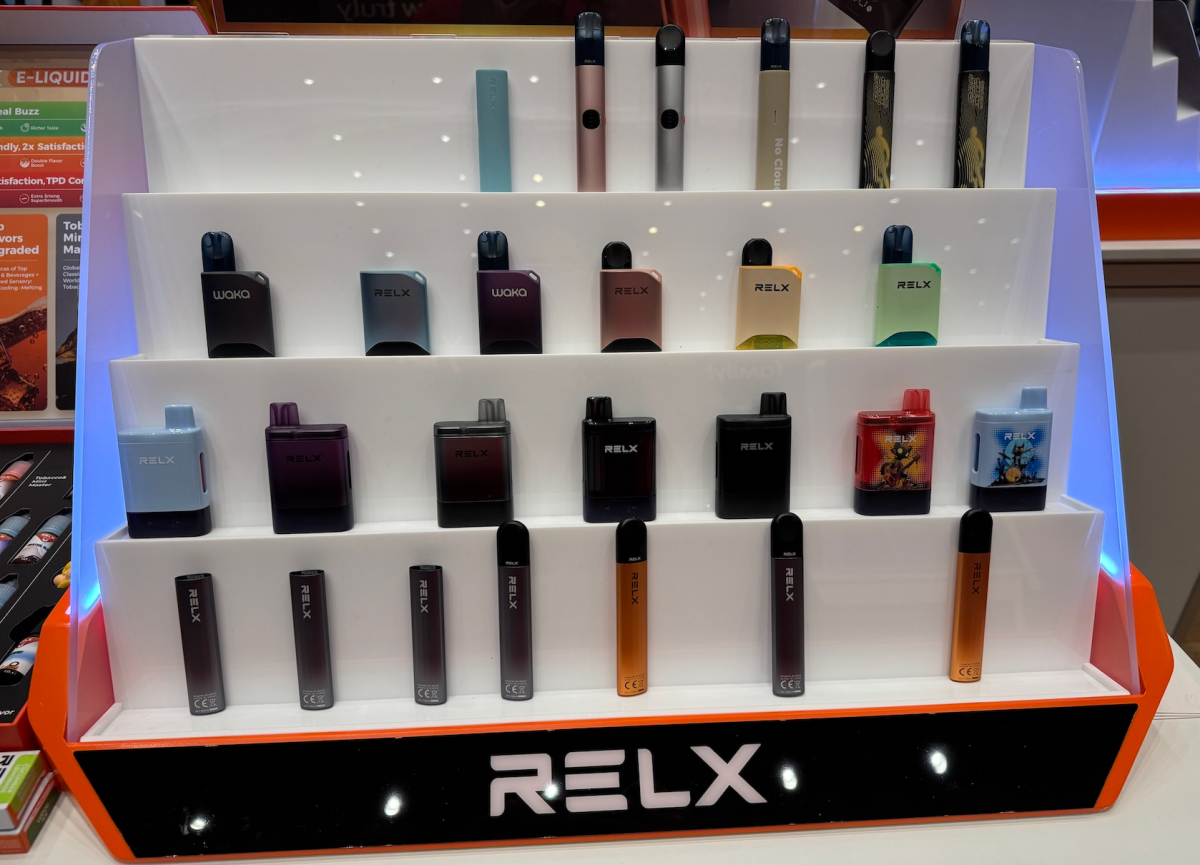
On January 2nd, the Special Authority Office for Aerosolized Nicotine and Non-Nicotine Products (OSMV) under the Department of Trade and Industry (DTI) of the Philippines issued Supplemental Technical Regulations Administrative Order No. 24-11, aimed at standardizing mandatory product certification for e-cigarette and non-nicotine products.
New regulations require that all e-cigarette and heated tobacco products (HTP) obtain a Philippines Standard (PS) license as the main certification for market access. The PS license must include the entire process of production, quality testing, and distribution of the products. Products with a valid PS license are allowed to be sold, and new applications for Import Commodity Clearance (ICC) licenses will no longer be accepted.
International standards application: Recognition of ISO, IEC, and other international standards as the basis for testing and certification; introduction of specific technical standards for battery safety (PNS IEC 62133:2015) and e-cigarette e-liquid (AFNOR XP D90-300-1:2019).
Product testing and assessment: internal testing and independent testing; allowing different factories of the same manufacturer to conduct internal testing, but outsourcing is prohibited; testing results must be submitted directly to the Ministry of Trade and Industry's OSMV office to prevent intermediary interference.
Sampling and batch testing: Each model must submit 10 devices, 66 batteries, and corresponding e-cigarette liquid samples for testing according to the standard. Products that do not pass the test must submit a rectification plan and undergo re-evaluation, otherwise their PS license will be revoked.
PS Certification Logo: All products in circulation in the market must be labeled with the PS logo to ensure consumers can identify compliant products; the new certification logo design should quickly replace the old logo.
Sales and distribution restrictions: Uncertified products are prohibited from entering the Philippine market, including online sales platforms; the compliance deadline is December 31, 2024.
Law enforcement agency functions: The OSMV office is responsible for law enforcement and supervision, including setting standards, issuing permits, and conducting inspections; further empowering the OSMV to independently exercise the legal powers granted.
Transitional arrangements: Products that have obtained ICC (Import Commodity Clearance) permits can be sold until existing stock is depleted; all PS permits must be converted by the end of 2024.
The new regulations will go into effect immediately after being published in the official gazette and two widely circulated newspapers.
We welcome news tips, article submissions, interview requests, or comments on this piece.
Please contact us at info@2firsts.com, or reach out to Alan Zhao, CEO of 2Firsts, on LinkedIn
Notice
1. This article is intended solely for professional research purposes related to industry, technology, and policy. Any references to brands or products are made purely for objective description and do not constitute any form of endorsement, recommendation, or promotion by 2Firsts.
2. The use of nicotine-containing products — including, but not limited to, cigarettes, e-cigarettes, nicotine pouchand heated tobacco products — carries significant health risks. Users are responsible for complying with all applicable laws and regulations in their respective jurisdictions.
3. This article is not intended to serve as the basis for any investment decisions or financial advice. 2Firsts assumes no direct or indirect liability for any inaccuracies or errors in the content.
4. Access to this article is strictly prohibited for individuals below the legal age in their jurisdiction.
Copyright
This article is either an original work created by 2Firsts or a reproduction from third-party sources with proper attribution. All copyrights and usage rights belong to 2Firsts or the original content provider. Unauthorized reproduction, distribution, or any other form of unauthorized use by any individual or organization is strictly prohibited. Violators will be held legally accountable.
For copyright-related inquiries, please contact: info@2firsts.com
AI Assistance Disclaimer
This article may have been enhanced using AI tools to improve translation and editorial efficiency. However, due to technical limitations, inaccuracies may occur. Readers are encouraged to refer to the cited sources for the most accurate information.
We welcome any corrections or feedback. Please contact us at: info@2firsts.com