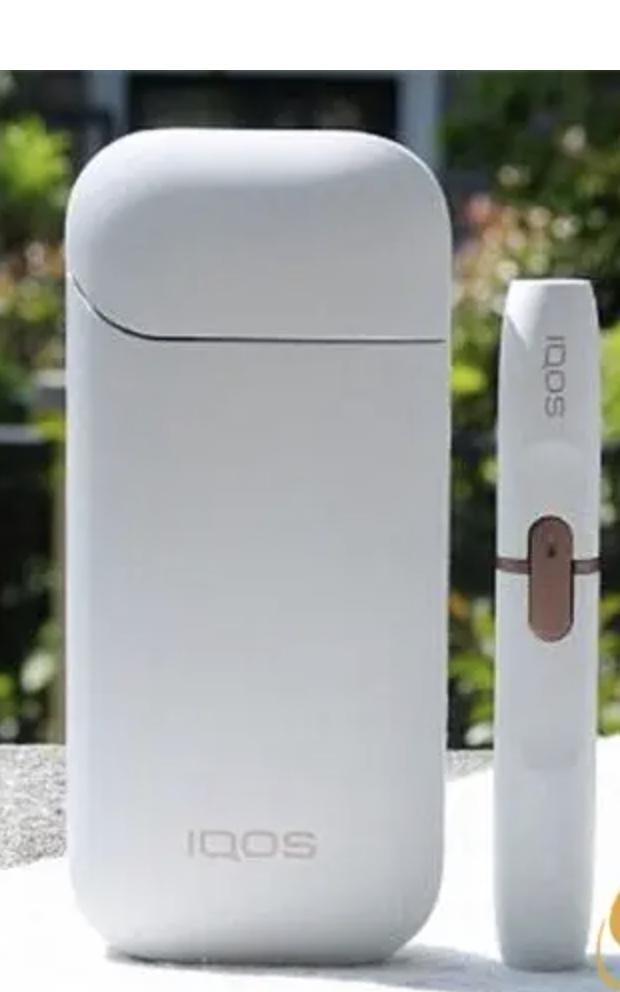
Pharmo International (PMI) is set to participate in the Sarajevo Film Festival in Bosnia to promote its heat-not-burn electronic cigarette, IQOS. This move is viewed as a positive step towards realizing the company's vision of a "smoke-free future" without traditional cigarettes.
On September 18th, according to local media in Sarajevo, Bosnia and Herzegovina, PMI will participate in the Sarajevo Film Festival on the 19th to promote its IQOS product through marketing activities. PMI will display a preview video in the city center to promote IQOS, providing information about why it is a better choice. Attendees can enjoy coffee and chat with PMI's scientific communicators who will convey information on the benefits of using IQOS and its scientific background.
PMI is set to release a collaborative t-shirt with local fashion company Almadebysisters. The t-shirt, designed by Almadesisters, promotes a message of no fire, no smoke, no ash, and no bad smells, and can be obtained by visitors through a tour of vehicles built under the concept of "heating our city".
PMI appears to be actively pursuing a vision of a smoke-free future in Eastern Europe. As of the end of last year, the company reported a non-combustible product user base of 21.7 million, an increase of 3.4 million from the previous year. Of these, 2.3 million adult users quit smoking in favor of non-combustible products, reaching a total of 15.3 million users.
Especially in East Asia, including South Korea, the net sales of non-combustible products account for 59% of the PMI, which is the highest percentage globally. Analysts suggest that the East Asian market is leading the global trend towards electronic cigarettes. Similarly, in Eastern Europe, the net sales of non-combustible products account for 37%, while in the European Union, it accounts for 33% of the net sales of non-combustible products.
PMI stated that they are leading the transformation in the tobacco industry by developing and commercializing non-combustible products as better alternatives to traditional cigarettes.
Announcement
This article is compiled from third-party information and is intended solely for industry professionals for exchange and learning purposes.
This article does not reflect the views of 2FIRSTS, and 2FIRSTS is unable to verify the authenticity and accuracy of the article's content. The compilation of this article is solely intended for industry communication and research purposes.
Due to limitations in translation skills, the translated article may not express the exact same meaning as the original text. Therefore, please refer to the original text for accuracy.
2FIRSTS fully aligns with the Chinese government's stance on any domestic, Hong Kong, Macau, Taiwan, and foreign-related statements and positions.
Information compilation copyrights belong to the original media and author. If there is any infringement, please contact us for removal.
Disclaimer
This article is provided solely for professional research, industry discussion, and informational purposes. Any references to brands, companies, products, technologies, or policies are made for factual reporting and analytical purposes only, and do not constitute endorsement, recommendation, promotion, or advertising by 2Firsts.
Nicotine-containing products, including but not limited to cigarettes, e-cigarettes, heated tobacco products, and nicotine pouches, carry significant health risks. Readers are responsible for complying with all applicable laws and regulations in their respective jurisdictions, including age restrictions and access limitations.
The information contained in this article should not be regarded as investment, legal, medical, regulatory, or commercial advice. While 2Firsts strives to ensure the accuracy and reliability of its content, it does not assume liability for any direct or indirect loss arising from errors, omissions, inaccuracies, or reliance on the information contained herein.
This article is not intended for individuals below the legal age for accessing tobacco or nicotine-related information in their jurisdiction.
Copyright Notice
This article is either original content produced by 2Firsts or content reproduced, translated, summarized, or adapted from third-party sources with attribution where applicable. The intellectual property rights of the original content remain with 2Firsts or the respective original rights holders.
No individual or organization may copy, reproduce, distribute, republish, modify, translate, or otherwise use this content without prior authorization. Any unauthorized use may result in legal action.
For copyright-related inquiries, corrections, or removal requests, please contact: info@2firsts.com.
AI-Assisted Translation and Editing Notice
Portions of this article may have been translated, edited, or reviewed with the assistance of artificial intelligence tools to improve efficiency and readability. Due to the limitations of AI-assisted translation and editing, discrepancies, omissions, or inaccuracies may exist when compared with the original source.
Where applicable, readers are advised to refer to the original source for the most complete and accurate information. If you identify any errors or believe that any content infringes upon your rights, please contact us at info@2firsts.com, and we will review and address the matter promptly.