Police Raid in Yorkshire Seizes over 5000 Illegal E-cigarettes

Regulations by 2FIRSTS.ai
Jan.16.2024
Police Raid in Yorkshire Seizes over 5000 Illegal E-cigarettes
A shop in Yorkshire, UK was raided by police, resulting in the discovery of over 5000 illegal e-cigarettes valued at £75,000.

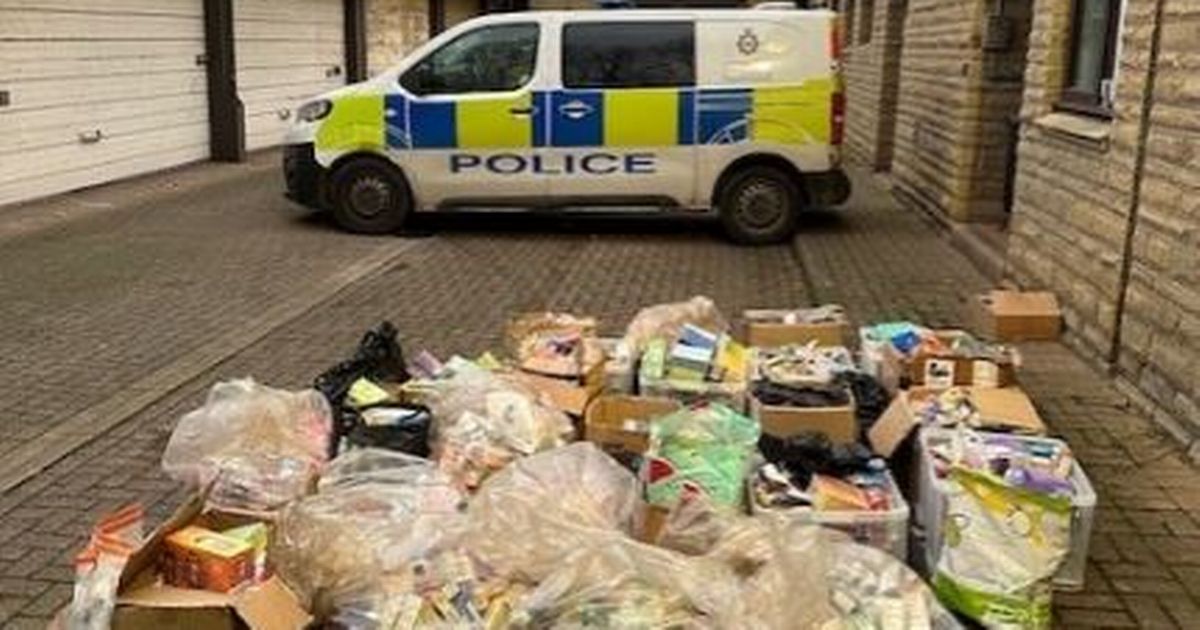
According to news outlet Newscolony, a store in Yorkshire, England, was raided by the police on January 15th, resulting in the seizure of over 5000 illicit e-cigarettes.


According to West Yorkshire Police, a total of 5159 illegal e-cigarettes with an estimated market value of around £75,000 have been seized. The authorities have also discovered some nitrous oxide canisters and counterfeit cigarettes. In addition, two other stores in South Elmsall failed surprise inspections and are now facing license reviews for selling alcoholic beverages to minors.


Glen Costello, an officer with the Wickfield East Community Police Force, expressed, "This operation demonstrates the dedication of the community team and local residents to combat criminal activities and ensure community safety. If anyone has any information regarding crime or anti-social behavior in their area, I urge them to report it to us so that we can take action together with our partner organizations.


We welcome news tips, article submissions, interview requests, or comments on this piece.

Please contact us at info@2firsts.com, or reach out to Alan Zhao, CEO of 2Firsts, on LinkedIn


Notice

1.  This article is intended solely for professional research purposes related to industry, technology, and policy. Any references to brands or products are made purely for objective description and do not constitute any form of endorsement, recommendation, or promotion by 2Firsts.

2.  The use of nicotine-containing products — including, but not limited to, cigarettes, e-cigarettes, nicotine pouchand heated tobacco products — carries significant health risks. Users are responsible for complying with all applicable laws and regulations in their respective jurisdictions.

3.  This article is not intended to serve as the basis for any investment decisions or financial advice. 2Firsts assumes no direct or indirect liability for any inaccuracies or errors in the content.

4.  Access to this article is strictly prohibited for individuals below the legal age in their jurisdiction.


Copyright


This article is either an original work created by 2Firsts or a reproduction from third-party sources with proper attribution. All copyrights and usage rights belong to 2Firsts or the original content provider. Unauthorized reproduction, distribution, or any other form of unauthorized use by any individual or organization is strictly prohibited. Violators will be held legally accountable.

For copyright-related inquiries, please contact: info@2firsts.com


AI Assistance Disclaimer


This article may have been enhanced using AI tools to improve translation and editorial efficiency. However, due to technical limitations, inaccuracies may occur. Readers are encouraged to refer to the cited sources for the most accurate information.

We welcome any corrections or feedback. Please contact us at: info@2firsts.com

How AI Is Rewriting the Talent Playbook for the Nicotine Industry: JTI’s Case
AI is moving from a back-office tool to a core organizational capability in the nicotine industry. Based on JTI’s responses, this 2Firsts feature examines how AI is reshaping talent strategy, internal mobility, decision-making and human accountability as global tobacco companies compete in the shift toward new nicotine categories.
Jun.17
Tobacco Farming in the New Nicotine Era: Why Indian Farmers Struggle to Transition — Contributed by Samrat Chowdhery
In this contributed article to 2Firsts, Mumbai-based journalist and harm reduction advocate Samrat Chowdhery examines India’s tobacco transition from the perspective of agriculture, supply chains and regulation. As noted by 2Firsts, India offers a relevant case for understanding how new nicotine technologies may affect not only consumption, trade and policy, but also tobacco farming.
Special Report
May.29
Australia’s Tobacco Tax Debate Intensifies as One Nation’s Barnaby Joyce Warns of Illicit Market Growth
Australian One Nation MP Barnaby Joyce has criticised continued tobacco excise increases, arguing that higher taxes are driving consumers toward illicit tobacco markets and benefiting organised crime groups.
Regulations
Jul.13 by 2Firsts Perspectives
Special Report|Haypp’s Nicotine Pouch Volumes Rise 40%: Who Controls the Digital Shelf for Modern Oral?
Haypp Group reported a 40% year-on-year increase in nicotine pouch volumes in the first quarter of 2026, with U.S. and U.K. volumes rising 123% and 102%, respectively. Haypp says around 97% of its consumer traffic is organic and that its Media & Insights business provides brand owners with on-site visibility, trial activation and consumer intelligence. For international tobacco companies, Haypp may be both a growth partner for modern oral products and a new source of channel leverage.
Special Report
May.22
EU Tobacco Rules Face Pushback as Analysis Says 90% of Consultation Responses Raised Objections
An analysis by We Are Innovation says more than 90% of over 82,000 responses to the European Commission’s public consultation on the Tobacco Products Directive revision raised at least one substantial objection to the proposed regulatory direction.
Jul.13
Bringing Tax and Insurance Into Nicotine Regulation: Insights From a Tobacco Harm-Reduction Report
A smoke-free nicotine policy report argues that tobacco harm reduction should move beyond product bans and health warnings into tax policy, insurance pricing and risk-based regulation. While some projections remain open to debate, the report highlights a wider challenge: nicotine products, technologies and consumer behavior have changed sharply over the past decade, and regulatory systems may need new tools to better align tobacco control with harm-reduction goals.
Jun.08