Problem of Illicit Tobacco and Nicotine Products in Russia

Regulations by 2FIRSTS.ai
Feb.02.2024
Problem of Illicit Tobacco and Nicotine Products in Russia
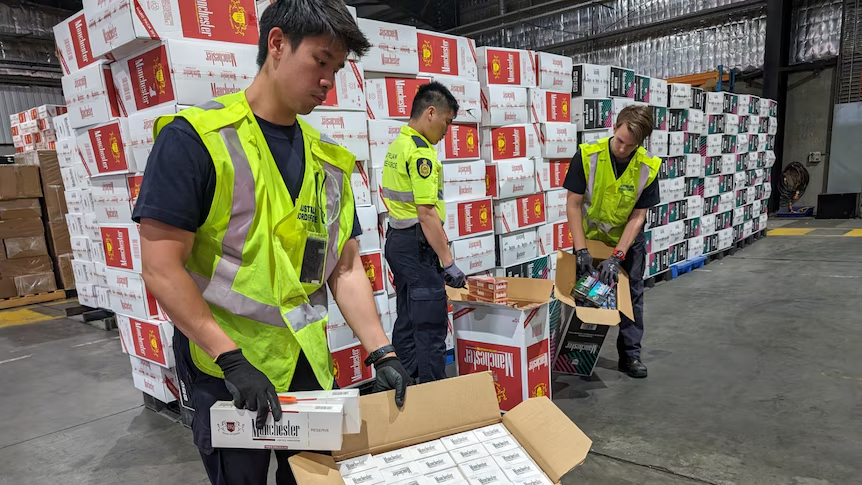
According to Russian media, the majority of Russia's tobacco market still operates on the black market, with only a fraction being legal.

According to a report from the Russian media outlet Business Online on February 1, Artem Kiryanov, Deputy Chairman of the Economic Policy Committee of the Russian State Duma, revealed during a press conference that a significant portion of the tobacco and nicotine-containing products market in Russia still operates in the black market. The legal circulation of these products accounts for less than one-third of the total domestic sales.


Kiryanov further added that nowadays consumers can identify legitimate products through the Data Matrix label on the product and the information provided by the "Honesty Mark" system.


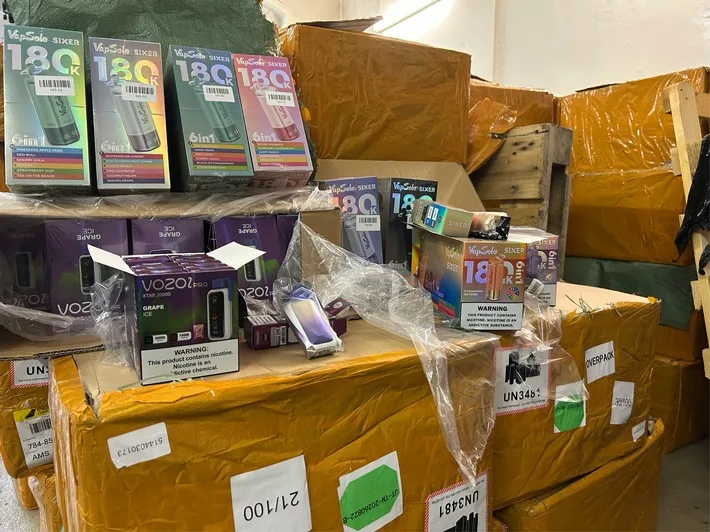
When asked about the handling of e-cigarette products, Kiryanov stated that the Duma is currently debating whether to ban or regulate them.


He explained, "We choose to regulate the product so that we can understand the current situation and effectively combat illegal sales. If banned, the entire market will be pushed into the black market. This will result in a significant increase in the proportion of e-cigarette orders through the internet, from the current 5% to 95%. This will blur the line between e-cigarette consumption and the distribution network of illicit drugs. At this point, we must be clear that this is a situation that the Russian Federation cannot tolerate.


We welcome news tips, article submissions, interview requests, or comments on this piece.

Please contact us at info@2firsts.com, or reach out to Alan Zhao, CEO of 2Firsts, on LinkedIn


Notice

1.  This article is intended solely for professional research purposes related to industry, technology, and policy. Any references to brands or products are made purely for objective description and do not constitute any form of endorsement, recommendation, or promotion by 2Firsts.

2.  The use of nicotine-containing products — including, but not limited to, cigarettes, e-cigarettes, nicotine pouchand heated tobacco products — carries significant health risks. Users are responsible for complying with all applicable laws and regulations in their respective jurisdictions.

3.  This article is not intended to serve as the basis for any investment decisions or financial advice. 2Firsts assumes no direct or indirect liability for any inaccuracies or errors in the content.

4.  Access to this article is strictly prohibited for individuals below the legal age in their jurisdiction.


Copyright


This article is either an original work created by 2Firsts or a reproduction from third-party sources with proper attribution. All copyrights and usage rights belong to 2Firsts or the original content provider. Unauthorized reproduction, distribution, or any other form of unauthorized use by any individual or organization is strictly prohibited. Violators will be held legally accountable.

For copyright-related inquiries, please contact: info@2firsts.com


AI Assistance Disclaimer


This article may have been enhanced using AI tools to improve translation and editorial efficiency. However, due to technical limitations, inaccuracies may occur. Readers are encouraged to refer to the cited sources for the most accurate information.

We welcome any corrections or feedback. Please contact us at: info@2firsts.com

Guam checks 277 eligible retailers in 2025; eight found selling tobacco or disposable vapes to minors aged 16–20
he Guam Behavioral Health and Wellness Center said that out of 277 eligible tobacco retailers inspected in 2025, eight were found selling tobacco or disposable e-cigarettes or vapes to minors aged 16–20, and one retailer failed to display the required “No Sale Under 21” prohibition sign.
Jan.05 by 2FIRSTS.ai
USITC Issues Final Ruling in 337-TA-1392 Investigation, Imposes Limited Exclusion Order and Cease and Desist Orders
USITC issues final ruling on oil vaporizing devices, components violating tariff law, with limited exclusion order and cease-and-desist orders.
Jan.21 by 2FIRSTS.ai
Malaysia MOH: 25,643 enforcement operations and 496,247 premises inspected nationwide as of Nov. 30
Malaysia’s Ministry of Health said it conducted 25,643 enforcement operations involving inspections of 496,247 premises nationwide as of Nov.
Jan.09 by 2FIRSTS.ai
Report Says Teen e-cigarette use on the rise, with majority of sales coming from disposable products
Monitoring a Changing Tobacco Product Market in the United States is the second annual review from the Monitoring Tobacco Product Use project, analyzing retail scanner data from January 2019 to December 2024 and TEEN+ survey data.
Jan.07 by 2FIRSTS.ai
PMI AI White Paper Warns of “Cognitive Atrophy” and Attention Erosion, Calls for Focus on Human Cognition’s Evolution
Philip Morris International (PMI) has released a white paper calling for cross-sector dialogue on how AI may affect human cognitive abilities. The paper flags risks including “cognitive atrophy” and attention erosion, and warns of a widening cognitive divide and rising pressures on information verification and trust.
Jan.21 by 2FIRSTS.ai
British American Tobacco to close South Africa cigarette plant by end-2026, citing illicit trade squeezing legal market
British American Tobacco South Africa (BATSA) said it will halt local production of factory-made cigarettes and close its manufacturing plant in Heidelberg, Gauteng by the end of 2026, shifting to an import-led supply model. The company said illicit cigarettes now account for about 75% of South Africa’s market, making local manufacturing “unsustainable” and putting around 230 jobs at risk.
Jan.16