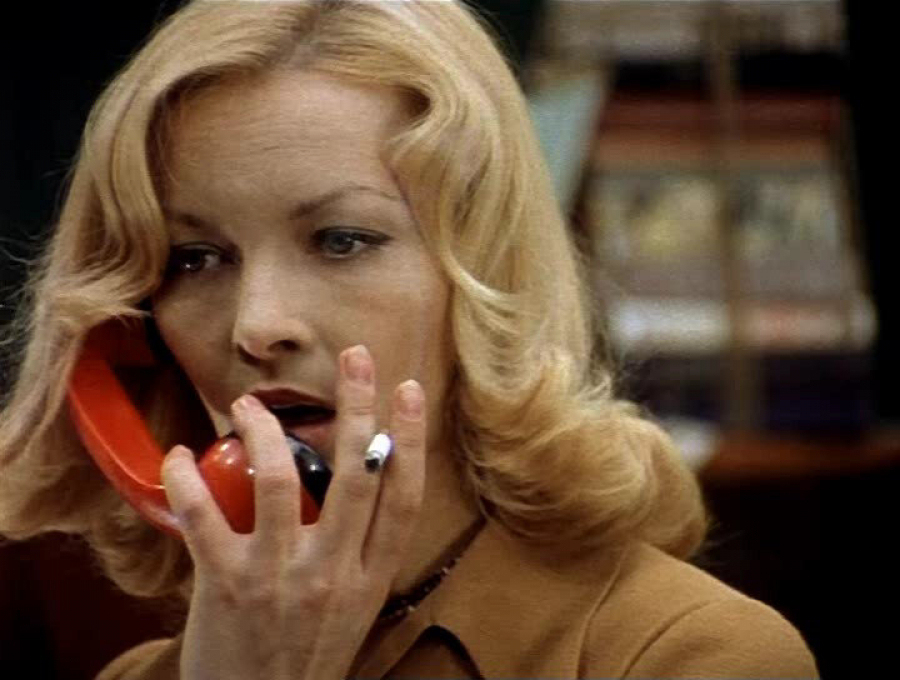
On January 28th, Russian media outlet Vesti.kg reported that the Ministry of Health has proposed a bill to impose fines on smoking in public places, as well as the depiction of smoking in movies and animations. The bill has been submitted for public discussion.
Data from the Ministry of Health indicates that citizens widely violate current legislation aimed at protecting them from the health effects of smoking, nicotine, tobacco smoke, and fumes. However, these offenders are currently not facing any penalties.
In order to address this loophole, the Ministry of Health has proposed a series of reform ideas:
Individuals who violate the smoking ban, including the use of hookah, tobacco heating systems, and electronic nicotine delivery systems, will be fined 1000 som. For repeat offenders, the fine will increase to 2000 som.
Places that do not comply with the requirements for no smoking signs will be fined 10,000 som, while corporate entities and individual business owners will face a fine of 13,000 som.
Corporations and individual business operators who fail to regulate the impact of smoking, nicotine, tobacco smoke, and aerosols in their premises and territories will be fined 13,000 soms.
In places where the sale of tobacco products is prohibited, individuals face a fine of 5,500 som, while corporations and individual entrepreneurs are subject to a fine of 17,000 som.
Sales of tobacco products that do not comply with regulations will be subject to individual fines of 7,500 som and corporate fines of 23,000 som.
Selling products to individuals under the age of 18 will incur a personal fine of 7,000 som and a corporate fine of 20,000 som.
Selling tobacco and alcohol products below the prescribed minimum retail price will result in an individual fine of 3000 som and a corporate fine of 13000 som.
Sponsorship, advertising, or promotion of tobacco products will result in a personal fine of 10,000 Somali shillings, while corporations and individual business owners will face a fine of 28,000 Somali shillings.
Displaying tobacco products in visual and audio products intended for adults will result in personal fines of 13,000 som, while fines for legal entities and individual entrepreneurs will amount to 35,000 som, unless they constitute an integral part of artistic concept.
Displaying tobacco products in audiovisual products targeting children will result in a personal fine of 15,000 soms, while corporations and individual entrepreneurs will face a fine of 40,000 soms.
The objective of this bill is to strengthen the regulation of smoking behavior, increase penalties for violators, and ensure smoke-free environments in public spaces.
We welcome news tips, article submissions, interview requests, or comments on this piece.
Please contact us at info@2firsts.com, or reach out to Alan Zhao, CEO of 2Firsts, on LinkedIn
Notice
1. This article is intended solely for professional research purposes related to industry, technology, and policy. Any references to brands or products are made purely for objective description and do not constitute any form of endorsement, recommendation, or promotion by 2Firsts.
2. The use of nicotine-containing products — including, but not limited to, cigarettes, e-cigarettes, nicotine pouchand heated tobacco products — carries significant health risks. Users are responsible for complying with all applicable laws and regulations in their respective jurisdictions.
3. This article is not intended to serve as the basis for any investment decisions or financial advice. 2Firsts assumes no direct or indirect liability for any inaccuracies or errors in the content.
4. Access to this article is strictly prohibited for individuals below the legal age in their jurisdiction.
Copyright
This article is either an original work created by 2Firsts or a reproduction from third-party sources with proper attribution. All copyrights and usage rights belong to 2Firsts or the original content provider. Unauthorized reproduction, distribution, or any other form of unauthorized use by any individual or organization is strictly prohibited. Violators will be held legally accountable.
For copyright-related inquiries, please contact: info@2firsts.com
AI Assistance Disclaimer
This article may have been enhanced using AI tools to improve translation and editorial efficiency. However, due to technical limitations, inaccuracies may occur. Readers are encouraged to refer to the cited sources for the most accurate information.
We welcome any corrections or feedback. Please contact us at: info@2firsts.com