Key points:
- A UK parliamentary group has proposed imposing a "polluter pays" tax on tobacco companies to raise £700 million to fund smoking cessation projects.
- The Tobacco and Vapes Bill will gradually phase out tobacco sales and ban e-cigarette advertising.
- This measure aims to reduce the number of smokers and eliminate the social and health burdens caused by smoking.
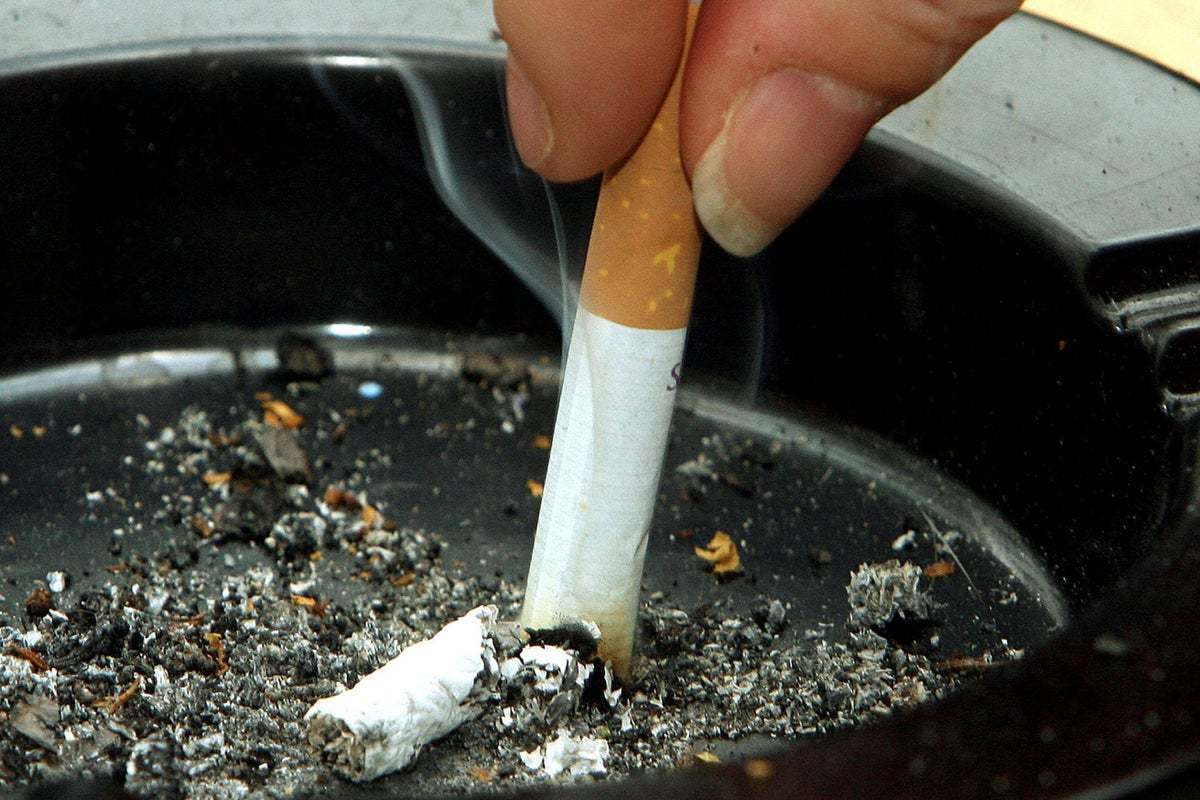
According to The Independent, on April 1st, a cross-party parliamentary group in the UK has proposed imposing a "polluter pays" tax on tobacco companies to fund projects aimed at reducing smoking rates.
The All-Party Parliamentary Group on Smoking and Health (APPG) has pointed out that despite the UK parliament passing "world-leading" smoking bans, there are still more measures that can be implemented to help the millions of people addicted to smoking. With 6 million smokers in the UK, the task of controlling smoking is not yet complete.
A new report released by a group of legislators proposes a series of recommendations, including:
- The tobacco industry is being forced to pay a "polluter pays" tax to raise £700 million in funding for projects aimed at reducing smoking rates and narrowing the gap in life expectancy.
- Tobacco companies are required to disclose sales data to support national smoking control strategies.
- The government is encouraged to make tobacco less economically accessible to encourage more people to quit smoking.
- Health warnings should be added to cigarette packaging to raise public awareness of health risks.
- The government should set a target to reduce the number of smokers by 2 million by the summer of 2029 and achieve smoke-free status in the UK within 20 years.
- Ministers should use the The Tobacco and Vapes Bill to close loopholes allowing cigar lounges to continue operating.
- The government should "reduce barriers to access to smoking cessation aids" while also reducing the number of young people using e-cigarettes.
If the "The Tobacco and Vapes Bill" is passed, individuals born after January 1, 2009 will be prohibited from purchasing tobacco products, gradually phasing out tobacco sales. The act also includes a complete ban on e-cigarette advertising and sponsorship, as well as regulations stating that displays in places such as cinemas and shop windows must adhere to tobacco restrictions.
Furthermore, starting in June 2025, disposable e-cigarettes will be banned.
APPG co-chair and Labour MP Mary Foy stated,
"The UK is set to introduce world-leading new laws that will protect future generations from the enormous harms of smoking, but we cannot ignore the millions of people still trapped by addiction."
"The only people who benefit from smoking is the tobacco industry who generate huge profits from peddling misery and illness."
"It’s time for them to pay for the damage they cause."
A spokesperson for the UK Department of Health and Social Care stated that,
"The government is delivering the world leading Tobacco and Vapes Bill, creating the first smoke-free generation and ending the cycle of addiction and disadvantage."
"To clamp down on youth vaping, the Bill will ban vape advertising and sponsorship, and provide powers to regulate flavours and packaging, and how and where they are displayed in shops."
"We’re supporting current smokers to quit by investing an additional £70 million for local Stop Smoking Services, extending our Swap to Stop and National Smoke-Free Pregnancy Incentive schemes and working to ensuring all NHS hospitals offer ‘opt-out’ smoking cessation services."
We welcome news tips, article submissions, interview requests, or comments on this piece.
Please contact us at info@2firsts.com, or reach out to Alan Zhao, CEO of 2Firsts, on LinkedIn
Notice
1. This article is intended solely for professional research purposes related to industry, technology, and policy. Any references to brands or products are made purely for objective description and do not constitute any form of endorsement, recommendation, or promotion by 2Firsts.
2. The use of nicotine-containing products — including, but not limited to, cigarettes, e-cigarettes, nicotine pouchand heated tobacco products — carries significant health risks. Users are responsible for complying with all applicable laws and regulations in their respective jurisdictions.
3. This article is not intended to serve as the basis for any investment decisions or financial advice. 2Firsts assumes no direct or indirect liability for any inaccuracies or errors in the content.
4. Access to this article is strictly prohibited for individuals below the legal age in their jurisdiction.
Copyright
This article is either an original work created by 2Firsts or a reproduction from third-party sources with proper attribution. All copyrights and usage rights belong to 2Firsts or the original content provider. Unauthorized reproduction, distribution, or any other form of unauthorized use by any individual or organization is strictly prohibited. Violators will be held legally accountable.
For copyright-related inquiries, please contact: info@2firsts.com
AI Assistance Disclaimer
This article may have been enhanced using AI tools to improve translation and editorial efficiency. However, due to technical limitations, inaccuracies may occur. Readers are encouraged to refer to the cited sources for the most accurate information.
We welcome any corrections or feedback. Please contact us at: info@2firsts.com