Proposed Vape Restrictions by Irish Health Committee.

Apr.12.2023
Proposed Vape Restrictions by Irish Health Committee.
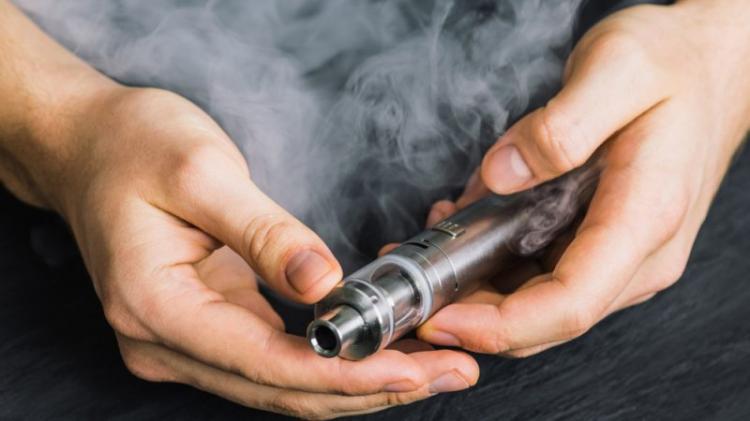
Irish health committee proposes vape restrictions, including flavor ban and advertising ban for e-cigarettes.

On April 11th, the Health Service Executive of Ireland released a proposal that includes a ban on flavored products, plain packaging, and a ban on advertising for e-cigarette products.


The pre-legislative scrutiny report contains recommendations from ten members of the House of Representatives and can serve as an early draft of the proposed legislation.


The e-cigarette advocacy group reaffirmed its belief that flavor bans may have unintended consequences.


References:


The Health Committee in Ireland has put forth a proposal to impose restrictions on vaping.


Disclaimer

This article is provided solely for professional research, industry discussion, and informational purposes. Any references to brands, companies, products, technologies, or policies are made for factual reporting and analytical purposes only, and do not constitute endorsement, recommendation, promotion, or advertising by 2Firsts.

Nicotine-containing products, including but not limited to cigarettes, e-cigarettes, heated tobacco products, and nicotine pouches, carry significant health risks. Readers are responsible for complying with all applicable laws and regulations in their respective jurisdictions, including age restrictions and access limitations.

The information contained in this article should not be regarded as investment, legal, medical, regulatory, or commercial advice. While 2Firsts strives to ensure the accuracy and reliability of its content, it does not assume liability for any direct or indirect loss arising from errors, omissions, inaccuracies, or reliance on the information contained herein.

This article is not intended for individuals below the legal age for accessing tobacco or nicotine-related information in their jurisdiction.


Copyright Notice

This article is either original content produced by 2Firsts or content reproduced, translated, summarized, or adapted from third-party sources with attribution where applicable. The intellectual property rights of the original content remain with 2Firsts or the respective original rights holders.

No individual or organization may copy, reproduce, distribute, republish, modify, translate, or otherwise use this content without prior authorization. Any unauthorized use may result in legal action.

For copyright-related inquiries, corrections, or removal requests, please contact: info@2firsts.com.


AI-Assisted Translation and Editing Notice

Portions of this article may have been translated, edited, or reviewed with the assistance of artificial intelligence tools to improve efficiency and readability. Due to the limitations of AI-assisted translation and editing, discrepancies, omissions, or inaccuracies may exist when compared with the original source.

Where applicable, readers are advised to refer to the original source for the most complete and accurate information. If you identify any errors or believe that any content infringes upon your rights, please contact us at info@2firsts.com, and we will review and address the matter promptly.


Reuters Tracks Big Tobacco’s Shift Beyond Cigarettes as Nicotine Pouches Vie for the Next Growth Curve
As cigarette markets face long-term pressure, major tobacco companies are increasingly turning to nicotine pouches in search of growth beyond combustible tobacco. Reuters has examined whether nicotine pouches can become the next strategic growth platform for companies including Philip Morris International, British American Tobacco and Japan Tobacco. PMI strengthened its position through the acquisition of Swedish Match and its ZYN brand, while BAT and JTI continue expanding their own nicotine pouch portfolios. The category has gained attention because of its smoke-free, device-free format, but regulation, youth-use concerns and market scale will determine whether it can become a long-term growth engine.
Regulations
Aug.18 by 2Firsts Perspectives
Tasmania Reports Annual Enforcement Results: 5.5 Million Illegal Cigarettes and Nearly 30,000 Vapes Seized, With IGET Products Visible in Official Images
Tasmania reported its 2025/26 illicit tobacco enforcement results on July 14, with authorities seizing about 5.5 million illegal cigarettes, more than 2,500 kilograms of loose tobacco and nearly 30,000 vapes.
Jul.15
UK PM Andy Burnham Reshapes Vape Retail Rules as Licensing Could Raise Barriers for New Shops
UK Prime Minister Andy Burnham is pushing a high street reform agenda that could give local authorities greater powers over commercial activity, including vape retail. The reforms could involve expanded planning powers and a potential vape retail licensing system, allowing councils to play a larger role in store locations and market access. The measures are part of the UK’s broader shift toward tighter vape regulation, although no nationwide vape retail restrictions have yet been implemented.
Aug.11
Japan’s Heated Tobacco Tax Reform Drives Price Increase as JT Raises All Ploom Sticks by ¥40
Japan Tobacco Inc. (JT) has applied to Japan’s finance minister for approval to revise retail prices of its Ploom heated tobacco sticks following planned changes to the heated tobacco tax system from October 1, 2026. If approved, all 31 Ploom stick products will increase by ¥40. After the adjustment, EVO products will cost ¥620 per 20-stick pack, MEVIUS products ¥590 and CAMEL products ¥570. JT said the price revision is intended to respond to tax changes while maintaining product quality and brand value. The tax reform is expected to narrow the tax gap between combustible cigarettes and heated tobacco products, potentially reshaping pricing strategies in Japan’s heated tobacco market.
Jul.22
JT Plans ¥800 Billion Investment in Heated Tobacco Over Three Years, Betting on Ploom as Second Growth Engine
Japan Tobacco Inc. (JT) CEO Takehiko Tsutsui said the company plans to invest about ¥800 billion (approximately US$5.4 billion) in heated tobacco products over three years through 2028, aiming to establish Ploom as a second growth engine after combustible cigarettes. Tsutsui said Ploom AURA helped JT increase its share of Japan’s heated tobacco market to 15.8% in the first quarter of 2026. Ploom products are now available in 29 markets, with Ploom AURA sold in 25 markets including Japan. JT also plans to continue its cigarette business while positioning its food operations, particularly frozen noodle products in North America, as another growth opportunity.
Jul.23
Japan’s Heated Tobacco Tax Changes Reshape Consumer Choices, Survey Reveals Impact of Price and Income
A consumer survey by Japanese heated tobacco information platform RELAZO found that rising tobacco prices and planned heated tobacco tax changes may influence smoking decisions among Japanese consumers. The survey covered 49,879 men and women aged 20 to 69 nationwide. It found that around 40% of respondents cumulatively indicated they may consider quitting when a pack reaches ¥600 (approximately US$4.1), while nearly 90% expressed potential quitting intentions at a ¥1,000 (approximately US$6.8) price level. The survey also found significant differences by income level, with lower-income respondents showing greater sensitivity to price increases.
Jul.24