On July 29th, Red Flag Chain (002697) responded to questions from investors on their investor relations platform.
Investors are inquiring how well the sales of Red Flag Chain's original liquor have performed in their stores during the first half of this year and how many bottles have been sold in total.
Red Flag Chain Secretary: Hello, thank you for your attention!
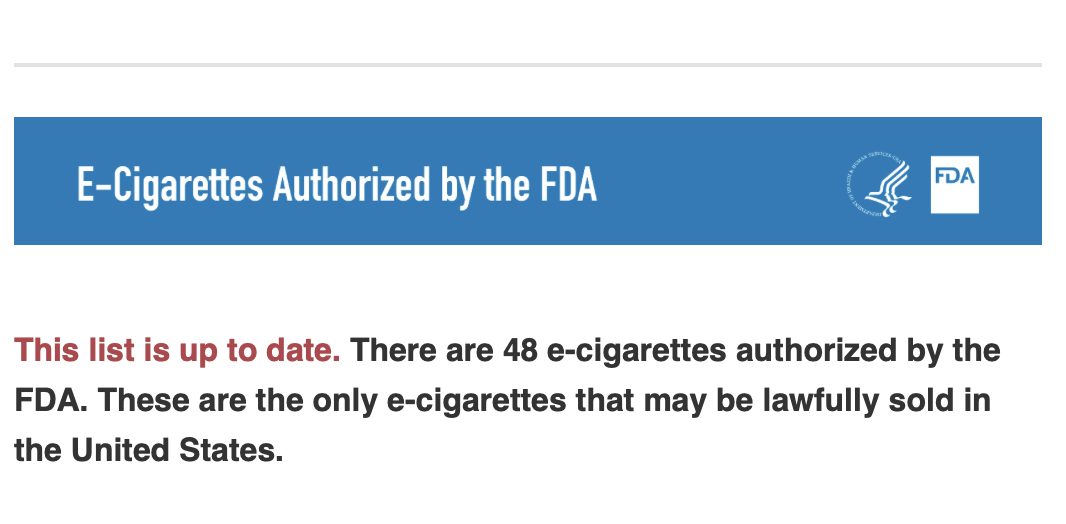
Investor: Hello, Secretary Dong. In the company's articles of association disclosed on July 1, 2022, a new item "electronic cigarette retail" was added. May I ask (1) whether it is necessary to apply for an electronic cigarette retail license from the tobacco monopoly bureau before conducting specific business operations? (2) Are electronic cigarette products currently on the shelves of the company's chain supermarkets? Thank you for your patience!
Hello, as of now, Red Flag Chain has not yet started selling electronic cigarettes. The company will evaluate actual circumstances before proceeding with the sale of these products.
Investors are asking whether your company has been involved in ensuring the supply of goods in response to the recent serious outbreak of COVID-19 in various districts of Chengdu. Specifically, they want to know if your company has increased the supply of pre-packaged meals.
Hello, as the secretary of the board of directors of Red Flag Chain, I would like to emphasize that our company has been designated as a key supplier in Chengdu and across Sichuan province. We have adequate stockpiles and efficient logistics systems in place to ensure that essential goods are readily available to meet the needs of citizens' daily lives.
Investors: The serious COVID-19 outbreak in Chengdu seems to be leaving Red Flag Chain's hundreds and thousands of chain supermarkets with no advantages. It appears you are using a passive sales strategy, waiting for customers to come to you - a mindset like that of a small convenience store owner. Meanwhile, internet e-commerce approaches sales with a platform and business mindset, attracting other merchants to sell goods, and even launching attacks. You need to study internet e-commerce and focus on increasing delivery staff, centralized management, and encouraging customers to order through the internet for nearby delivery. However, your products also have issues that cannot be resolved in the short term. Your market value is still under 10 billion, but there is great potential. After a successful transformation, the market value could reach 30 to 50 billion.
Red Flag Chain Secretary: Thank you for your attention!
Investors are concerned about the recent surge in confirmed cases of COVID-19 in Chengdu, with 25 new cases reported on July 24th and nearly 200 total cases in the current outbreak. Videos online show panicked Chengdu residents stockpiling food and essentials, with over 140 neighborhoods now deemed at high risk. With such a sudden and extensive surge in demand, investors are questioning whether Red Flag Chain's supply chain can adequately provide for the basic needs of Chengdu's 20 million residents.
Hello, I am the Secretary of the Board of Directors at Red Flag Chain. Our company is a supply unit in Chengdu and Sichuan, and we have sufficient reserves and logistics capabilities to ensure the provision of necessary supplies for the public's daily living needs.
Investors: Could you please provide us with the latest number of shareholders?
Hello, as of July 29, 2022, there are a total of 55,832 shareholders and 2,173 institutional shareholders for Hongqi Chain.
According to the first quarter report of Red Flag Chain, the company's main operating revenues reached 2.441 billion yuan, a year-on-year increase of 7.99%. However, the net profit attributable to shareholders decreased by 1.22 billion yuan, a year-on-year decline of 1.58%. The non-net profit declined by 4.73% to 1.17 billion yuan. The company's debt ratio was 48.89%, investment income was 23.7233 million yuan, financial expenses were 20.3111 million yuan, and gross profit margin was 29.68%.
Over the past 90 days, a total of five institutions have given ratings for the stock, with four issuing a buy rating and one issuing an increase rating. The average target price for the past 90 days has been 6.11. Financing net outflow for the past three months has decreased by 31.2332 million, while margin financing net inflow has increased by 0.5506 million. According to a valuation analysis tool from Securities Times, based on the company's financial reports from the past five years, Red Flag Chain (002697) has average competitiveness and profitability within the industry, but good revenue growth and financial health. The stock is rated 3 stars for good company indicators, good price indicators, and overall indicators (indicators are for reference only, rated on a scale of 0-5 stars, with 5 being the highest).
This article includes excerpts or reprints from third-party sources, which are owned by the original media and authors. If there is any infringement, please contact us to delete it. Any individuals or organizations that wish to reprint must contact the author and refrain from direct reprinting.
Disclaimer
This article is provided solely for professional research, industry discussion, and informational purposes. Any references to brands, companies, products, technologies, or policies are made for factual reporting and analytical purposes only, and do not constitute endorsement, recommendation, promotion, or advertising by 2Firsts.
Nicotine-containing products, including but not limited to cigarettes, e-cigarettes, heated tobacco products, and nicotine pouches, carry significant health risks. Readers are responsible for complying with all applicable laws and regulations in their respective jurisdictions, including age restrictions and access limitations.
The information contained in this article should not be regarded as investment, legal, medical, regulatory, or commercial advice. While 2Firsts strives to ensure the accuracy and reliability of its content, it does not assume liability for any direct or indirect loss arising from errors, omissions, inaccuracies, or reliance on the information contained herein.
This article is not intended for individuals below the legal age for accessing tobacco or nicotine-related information in their jurisdiction.
Copyright Notice
This article is either original content produced by 2Firsts or content reproduced, translated, summarized, or adapted from third-party sources with attribution where applicable. The intellectual property rights of the original content remain with 2Firsts or the respective original rights holders.
No individual or organization may copy, reproduce, distribute, republish, modify, translate, or otherwise use this content without prior authorization. Any unauthorized use may result in legal action.
For copyright-related inquiries, corrections, or removal requests, please contact: info@2firsts.com.
AI-Assisted Translation and Editing Notice
Portions of this article may have been translated, edited, or reviewed with the assistance of artificial intelligence tools to improve efficiency and readability. Due to the limitations of AI-assisted translation and editing, discrepancies, omissions, or inaccuracies may exist when compared with the original source.
Where applicable, readers are advised to refer to the original source for the most complete and accurate information. If you identify any errors or believe that any content infringes upon your rights, please contact us at info@2firsts.com, and we will review and address the matter promptly.