British Health Secretary Proposed Legislation to Restrict E-cigarette Advertising

Regulations by 2FIRSTS.ai
May.16.2024
British Health Secretary Proposed Legislation to Restrict E-cigarette Advertising
British Health Secretary, Dame Andrea Leadsom, proposes restrictions on e-cigarette advertising to address youth smoking issues.

According to a report by Mirror on May 15, UK Health Secretary Dame Andrea Leadsom will propose a plan to address the issue of youth smoking caused by e-cigarette advertisements. Ministers will implement a plan to restrict e-cigarette advertising, banning e-cigarette brands from sponsoring events on sports jerseys.


Scottish National Party MP Kirsten Oswald has called for a revision of legislation to ban sponsorship agreements related to e-cigarettes containing nicotine, particularly advertisements on sports jerseys and in sports venues.


In Tuesday's debate in the committee, Minister Lidsom stated, "We have noticed that the committee wishes to impose equally strict regulations on advertising and sponsorship of tobacco and e-cigarettes. We will take formal measures to further restrict the advertising and sponsorship of e-cigarettes" in response to Oswald's amendment proposal.


When asked about specific measures, she promised, "I want to assure you that the government will put forward relevant proposals to address the issues raised.


Oswald stated:


I have been campaigning for the past two years to raise awareness of the harmful impact of e-cigarettes on young people and to specifically ban e-cigarette brand advertising in sports events. I am very pleased that the UK government has now recognized this issue and taken action. I look forward to the proposals they will submit.


We welcome news tips, article submissions, interview requests, or comments on this piece.

Please contact us at info@2firsts.com, or reach out to Alan Zhao, CEO of 2Firsts, on LinkedIn


Notice

1.  This article is intended solely for professional research purposes related to industry, technology, and policy. Any references to brands or products are made purely for objective description and do not constitute any form of endorsement, recommendation, or promotion by 2Firsts.

2.  The use of nicotine-containing products — including, but not limited to, cigarettes, e-cigarettes, nicotine pouchand heated tobacco products — carries significant health risks. Users are responsible for complying with all applicable laws and regulations in their respective jurisdictions.

3.  This article is not intended to serve as the basis for any investment decisions or financial advice. 2Firsts assumes no direct or indirect liability for any inaccuracies or errors in the content.

4.  Access to this article is strictly prohibited for individuals below the legal age in their jurisdiction.


Copyright


This article is either an original work created by 2Firsts or a reproduction from third-party sources with proper attribution. All copyrights and usage rights belong to 2Firsts or the original content provider. Unauthorized reproduction, distribution, or any other form of unauthorized use by any individual or organization is strictly prohibited. Violators will be held legally accountable.

For copyright-related inquiries, please contact: info@2firsts.com


AI Assistance Disclaimer


This article may have been enhanced using AI tools to improve translation and editorial efficiency. However, due to technical limitations, inaccuracies may occur. Readers are encouraged to refer to the cited sources for the most accurate information.

We welcome any corrections or feedback. Please contact us at: info@2firsts.com

U.S. Ninth Circuit Upholds FDA Denial of MH Global’s Flavored Vape PMTA Applications
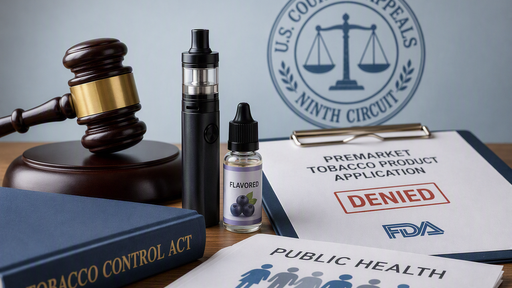
The U.S. Court of Appeals for the Ninth Circuit upheld the FDA’s denial of MH Global LLC’s applications to market flavored electronic nicotine delivery systems (ENDS). The court ruled that FDA’s comparative-efficacy framework, which requires applicants to show that flavored products provide greater cessation or switching benefits than tobacco-flavored alternatives, is consistent with the Tobacco Control Act’s “appropriate for the protection of the public health” standard. The court also found that FDA was not required to establish the framework through notice-and-comment rulemaking.
Aug.26
UK Vape Tax Countdown: Retailer Vape HQ Estimates 100ml E-liquid Prices Could Rise From £12.99 to £39.39, While Pod Kits Increase Less Than 10%
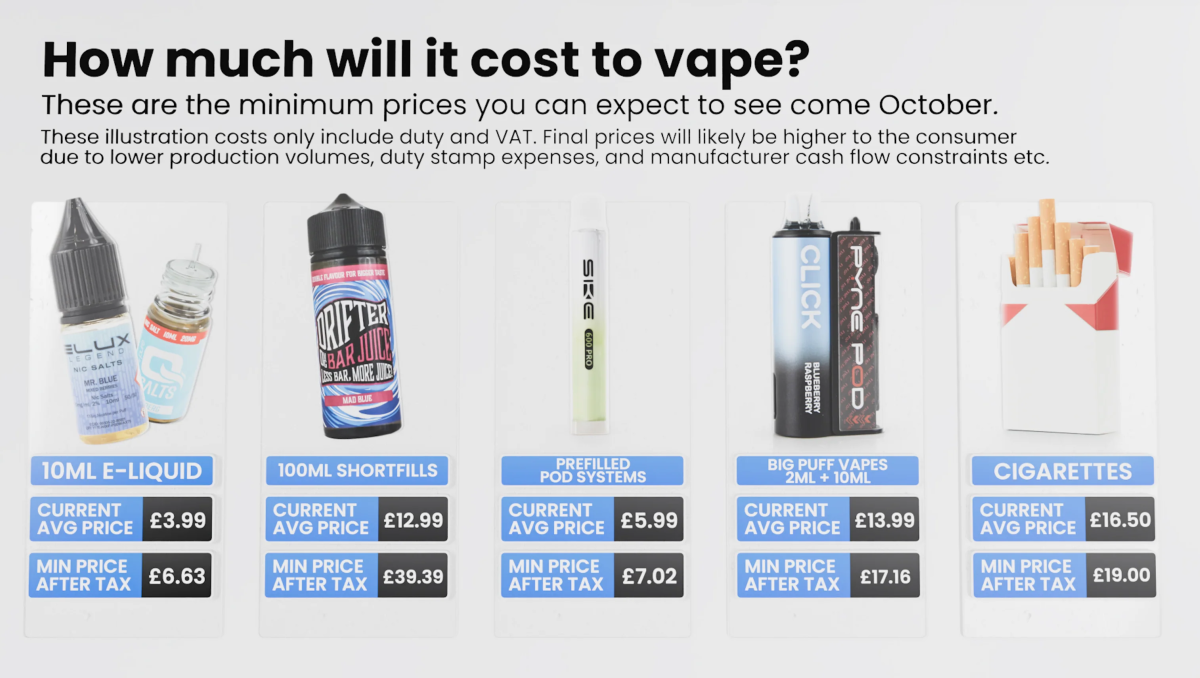
The UK’s Vaping Products Duty (VPD), scheduled to take effect in October 2026, is prompting retailers to assess how different vape categories may be affected. UK retailer Vape HQ has estimated potential price changes under the new volume-based tax system, showing that 100ml shortfill e-liquids could see prices rise from around £12.99 to £39.39, a 203% increase, while 2ml prefilled pod vape kits could rise from £5.99 to £6.52, an increase of about 9%. The estimates highlight how a volume-based tax structure creates uneven cost impacts across product categories.
Aug.19
UAE Sets Dh1-Per-ml Minimum Excise Price for Vape Liquids From Sept. 1 While Keeping 100% Tax Rate
The UAE Ministry of Finance will introduce a minimum excise price for e-liquids used in vaping and electronic smoking devices from September 1, 2026. The minimum excise price will be set at AED 1 per millilitre. The existing 100% excise tax rate will continue to apply to tobacco and electronic smoking products. The measure changes the minimum taxable base rather than the tax rate, with the UAE government saying it aims to establish unified tax standards, improve market compliance and prevent pricing loopholes.
Regulations
Aug.07 by 2Firsts Perspectives
Product | PMI Launches Airport-Exclusive IQOS Skylens Limited Edition, Expanding From Japan’s Narita to Travel Retail Markets in 13 Countries Summary
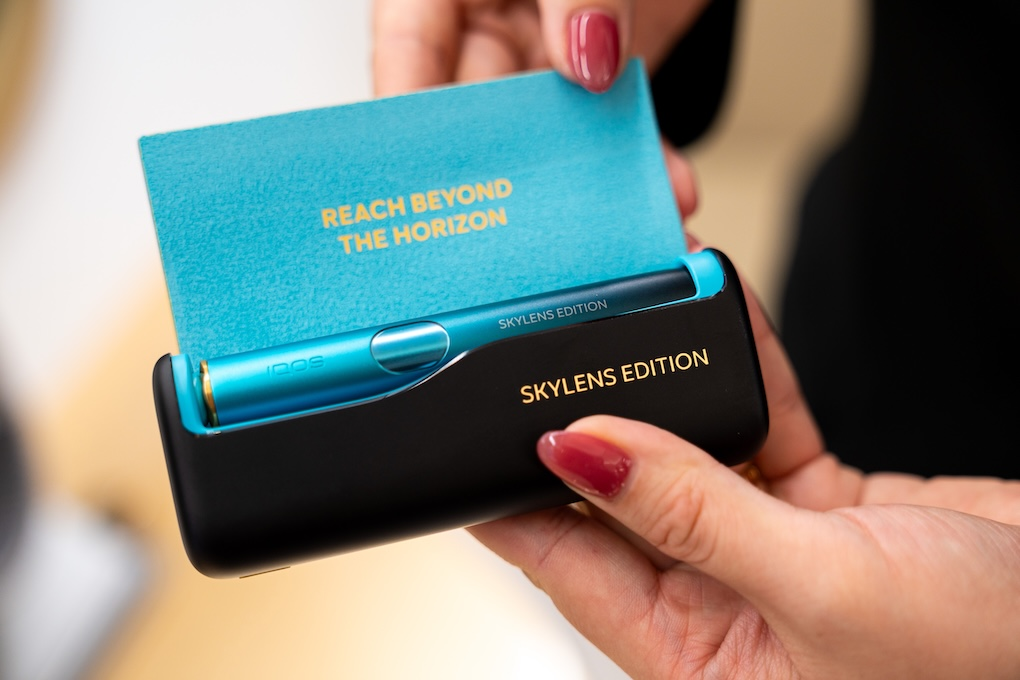
Philip Morris International (PMI) has introduced the airport-exclusive limited-edition IQOS ILUMA i PRIME Skylens, the company’s first device created specifically for airport travel retail. Inspired by the world of flight and finished in metallic blue, Skylens debuted at Narita International Airport in Japan before expanding into selected airport duty-free and travel-retail channels across 13 countries in Europe, Asia, the Middle East and Africa. The product retains the existing IQOS ILUMA i PRIME platform, with differentiation centered on airport exclusivity, design and travel-retail execution rather than a new heating architecture.
PMI
Aug.19
China Tobacco Plans CNY 60 Billion Investment in ICBC, Agricultural Bank as Strategic Ties Extend Beyond Equity
China National Tobacco Corporation and several subsidiaries plan to invest a combined CNY 60 billion ($8.7 billion) in share placements by Industrial and Commercial Bank of China and Agricultural Bank of China as strategic investors. The agreements extend beyond equity investment to corporate governance, banking services and supply-chain finance. The filings also disclose 2025 data on China Tobacco’s tax and profit contributions and industry scale.
Sep.07
California Lawmakers Pass Disposable Nicotine Vape Ban, With Sales Prohibition Set for 2028
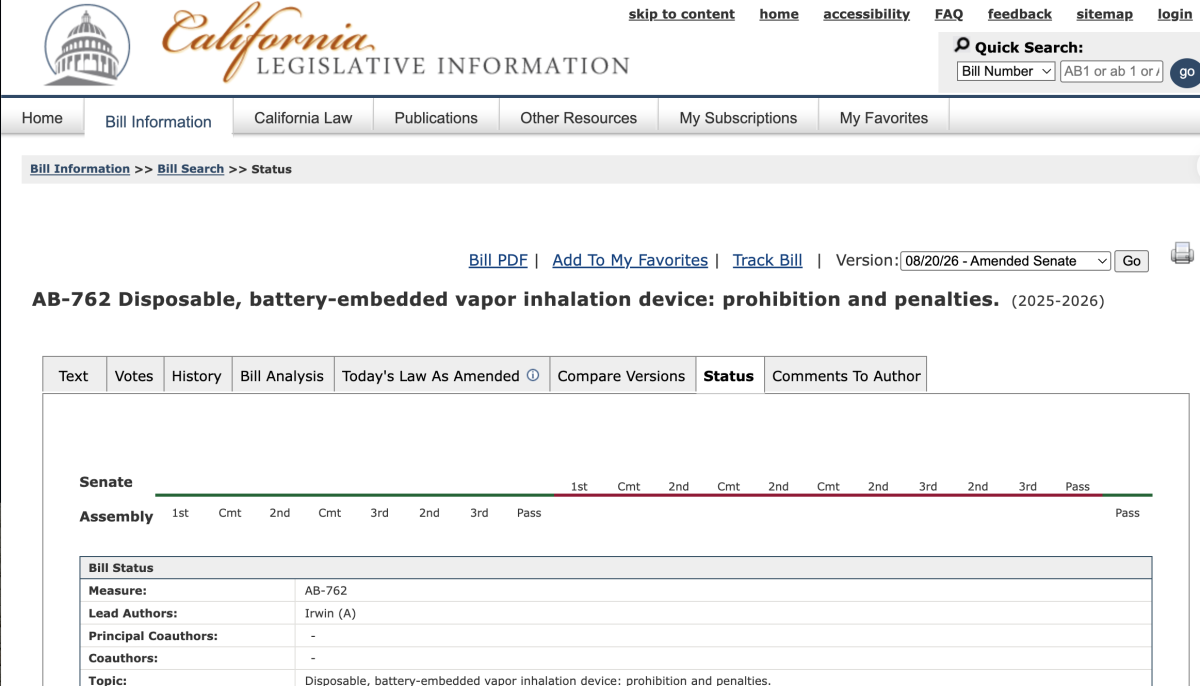
According to CBS Los Angeles on August 27, 2026, California lawmakers have passed Assembly Bill 762, which would phase out disposable, battery-embedded nicotine vapes in the state. If signed by Governor Gavin Newsom, manufacturing and importation of the covered products would be prohibited beginning January 1, 2027, followed by a sales ban on January 1, 2028. Driven primarily by concerns over electronic waste, lithium-battery fires and environmental pollution, the legislation would further shift California’s legal vape market toward rechargeable, refillable or replaceable-pod devices.
Aug.28