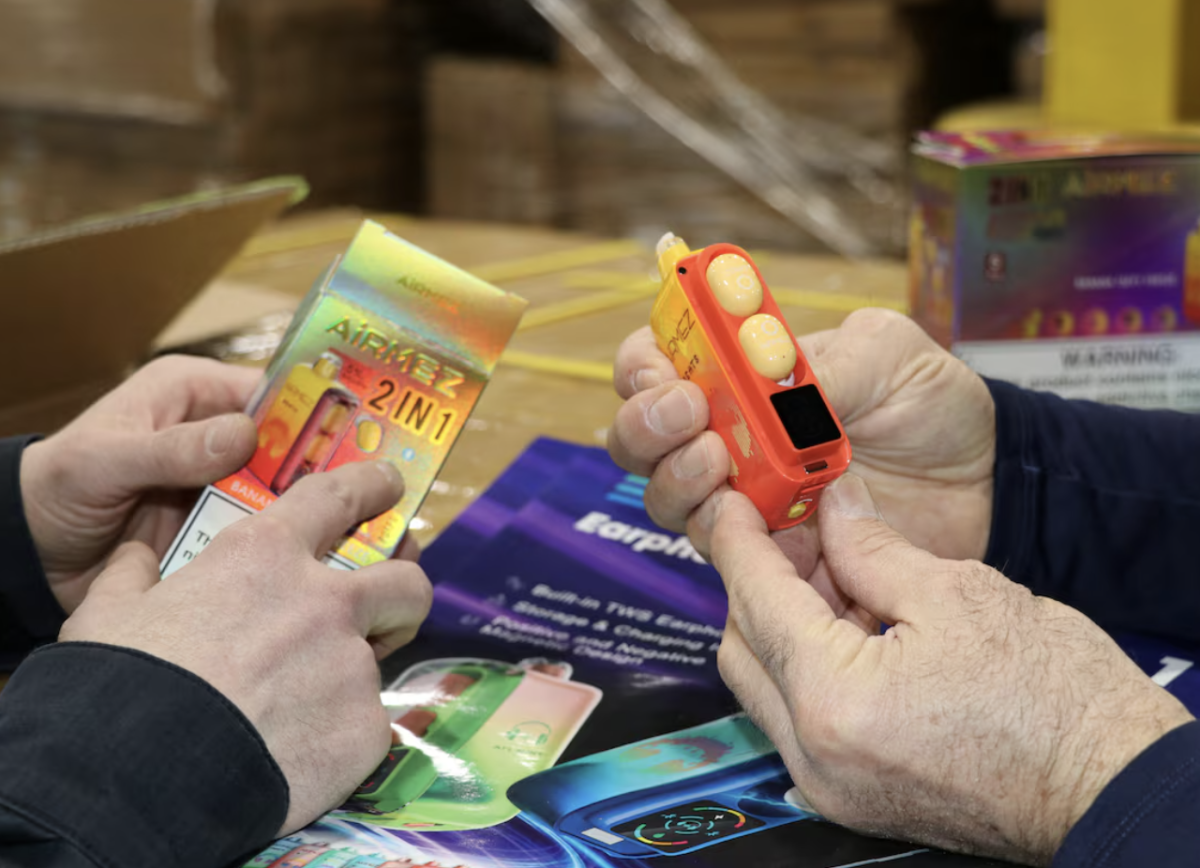
On June 23, Reuters published an article titled “How middlemen funnel illegal Chinese vapes into the United States,” which exposes the full supply chain behind the large-scale influx of illegal Chinese-made e-cigarettes into the U.S. market, as well as the enforcement difficulties and regulatory challenges faced by U.S. authorities. The report uncovers a hidden supply chain that uses intermediaries in both China and the U.S. to bypass regulations and smuggle unauthorized vape products into the country. It also highlights the FDA’s insufficient oversight, limited enforcement resources, and the significant health risks these products pose to minors. For more information, please read the original post.
The main points are summarized as follows:
Key Role of Middlemen:
·A small U.S.-based customs brokerage firm, led by Jay Kim, played a significant role in importing millions of unauthorized Chinese-made vapes to the U.S. in 2024. Kim’s firm handled 60% of shipments of vapes from China to the U.S. registered by the FDA.
·Despite claims that shipments had FDA authorization, many of these products, including brands like Lost Mary and Geek Bar, were actually unauthorized and illegal.
China's Major Vape Export Hub:
·Shenzhen, China, remains the largest source of vapes, both legal and illegal, entering the U.S.
·Official U.S. customs data showed a significant discrepancy: while China exported $3.6 billion worth of vapes to the U.S. in 2024, U.S. customs recorded only $333 million in imports, suggesting a vast amount of unauthorized shipments.
Deceptive Practices in Shipping:
·Unauthorized vapes are often disguised as other goods, like shoes or toys, to bypass U.S. customs.
·Middlemen, such as customs brokers and distributors, help funnel these illegal vapes into the U.S., sometimes by providing false information about the shipments.
U.S. Government’s Response:
·The FDA and U.S. Customs and Border Protection (CBP) have ramped up efforts to curb illegal imports. In May, a $34 million seizure of unauthorized vapes took place in Chicago, with some shipments misrepresented in value and content.
·The FDA has warned 24 middlemen involved in the supply chain, highlighting the criminal implications of misrepresenting goods to the government.
The Impact of U.S. Tariffs:
·U.S. tariffs on Chinese products and increasing seizures of illegal vapes have reduced supply, leading to shortages of popular brands like Geek Bar.
·Unauthorized vapes now make up 70% of the vape market in the U.S., with an estimated value of $8.14 billion in 2024.
Complex U.S. Distribution Network:
·After clearing U.S. customs, illegal vapes are distributed by various U.S. companies, including obscure firms that operate out of residential homes.
·Notable recipients include companies like Somo Trade LLC, a newly established firm operating out of a Chicago home, and Rongda Trade, which has already been shut down.
Legal Actions and Criticism:
·New York Attorney General Letitia James has filed a lawsuit against 13 companies accused of distributing unauthorized vapes from China, claiming they are contributing to the addiction of young people.
·Mitch Zeller, former head of the FDA’s tobacco center, placed the blame on U.S.-based distributors for facilitating the flow of illegal vapes into the country.
FDA’s Long-Term Strategy:
·FDA plans to use artificial intelligence to prevent illegal vapes from entering the U.S., with the ultimate goal of eliminating fruity and sweet flavored vapes that appeal to children, a major public health concern.