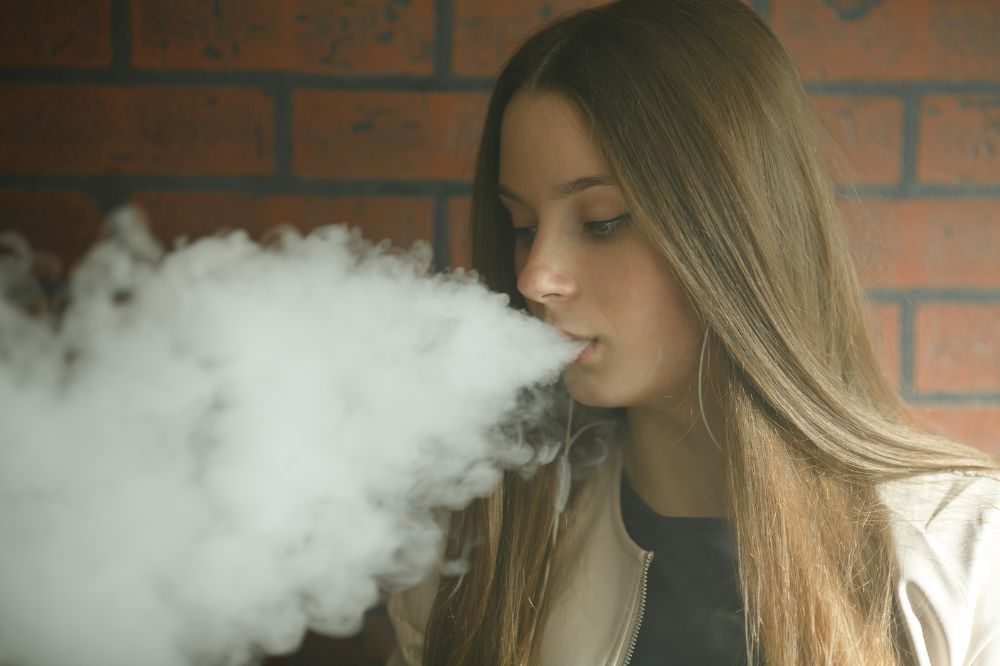
According to a report by Nation.Cymru on September 26th, new data requested under the Freedom of Information Act shows that reports of e-cigarette sales to teenagers in Wales increased by 57% over the past year. Local authorities in Wales received almost one report of underage e-cigarette sales per day last year, but only 5% of cases resulted in penalties.
Local council collectively issued fines totaling only £1250 to those selling e-cigarettes to children, well below the maximum fine of £2500 for a single offense. Leaders in the e-cigarette industry emphasize the need for stricter penalties to serve as a deterrent.
The data is from a 2024 report on the sale of e-cigarettes to minors, which analyzed information obtained by Vape Club from 138 local authorities in the UK under the Freedom of Information Act. The report calls on the government to introduce a licensing framework for e-cigarette retailers and distributors to curb the black market for e-cigarettes and prevent sales to children.
In the past 12 months, the regions in Wales with the highest reported e-cigarette sales to minors are as follows: Rhondda Cynon Taf: 70 cases, Merthyr Tydfil County Council: 46 cases, Caerphilly County Council: 31 cases, Anglesey: 31 cases, Gwynedd Council: 24 cases.
In the UK, there have been over 4,500 cases of underage e-cigarette sales reported in the past year, equivalent to one case every two hours, representing a 31% increase compared to the previous year. Dan Marchant, director of Vape Club, has stated that the government needs to support local councils in implementing stricter penalties. Despite some progress being made, it is clear that there is still a lot of work to be done in addressing the issue of underage e-cigarette sales in Wales.
Montchante emphasized that a licensing framework could provide £50 million in funding for trade standards each year without burdening taxpayers, allowing for stricter enforcement and higher fines. Currently, the maximum fine for violations is £2,500, but actual fines are often much lower. Montchante hopes to raise fines to at least £10,000 and impose harsher penalties on repeat offenders.
We welcome news tips, article submissions, interview requests, or comments on this piece.
Please contact us at info@2firsts.com, or reach out to Alan Zhao, CEO of 2Firsts, on LinkedIn
Notice
1. This article is intended solely for professional research purposes related to industry, technology, and policy. Any references to brands or products are made purely for objective description and do not constitute any form of endorsement, recommendation, or promotion by 2Firsts.
2. The use of nicotine-containing products — including, but not limited to, cigarettes, e-cigarettes, nicotine pouchand heated tobacco products — carries significant health risks. Users are responsible for complying with all applicable laws and regulations in their respective jurisdictions.
3. This article is not intended to serve as the basis for any investment decisions or financial advice. 2Firsts assumes no direct or indirect liability for any inaccuracies or errors in the content.
4. Access to this article is strictly prohibited for individuals below the legal age in their jurisdiction.
Copyright
This article is either an original work created by 2Firsts or a reproduction from third-party sources with proper attribution. All copyrights and usage rights belong to 2Firsts or the original content provider. Unauthorized reproduction, distribution, or any other form of unauthorized use by any individual or organization is strictly prohibited. Violators will be held legally accountable.
For copyright-related inquiries, please contact: info@2firsts.com
AI Assistance Disclaimer
This article may have been enhanced using AI tools to improve translation and editorial efficiency. However, due to technical limitations, inaccuracies may occur. Readers are encouraged to refer to the cited sources for the most accurate information.
We welcome any corrections or feedback. Please contact us at: info@2firsts.com