Rising Tobacco Prices and Regulations in Lithuania

Dec.13.2022
Rising Tobacco Prices and Regulations in Lithuania
Lithuania's tobacco prices set to rise in 2023 due to increases in consumer taxes and tighter restrictions on tobacco products.

In 2023, tobacco products prices in Lithuania are expected to increase.


In 2021, an amendment to the Consumption Tax Law was passed, which is expected to result in an increase in the consumption tax rate between 2022 and 2024.


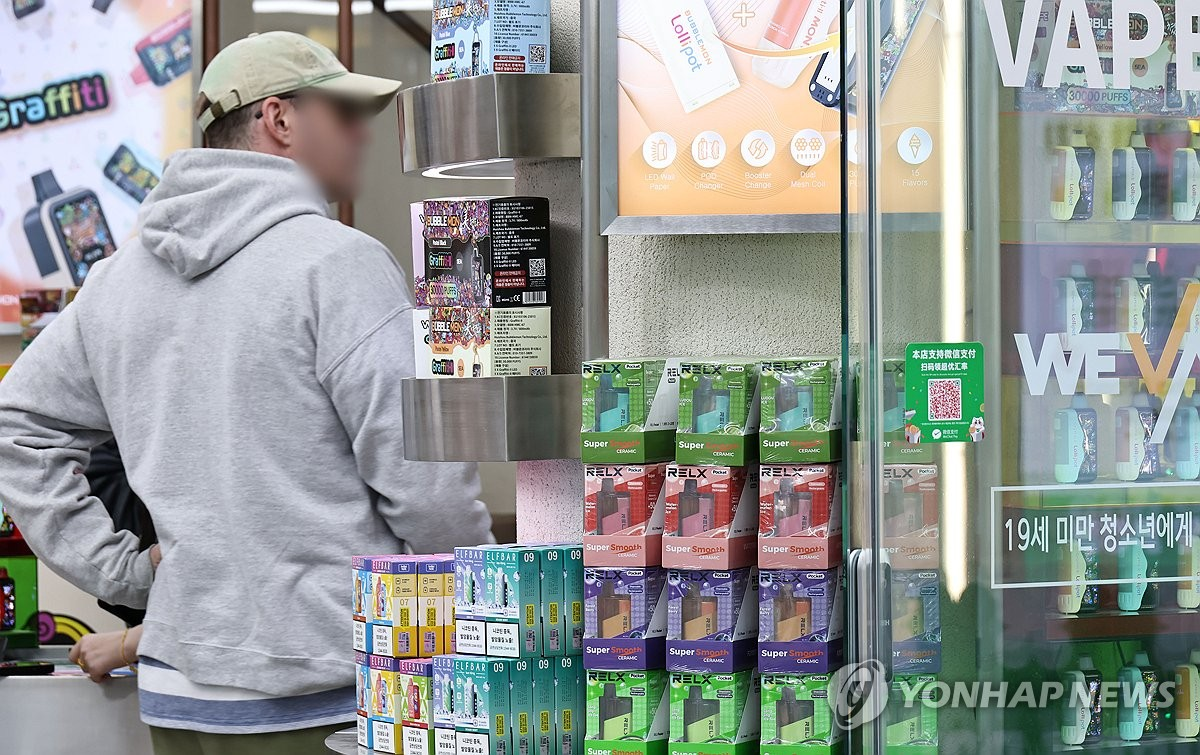
As explained to 15min by the Ministry of Finance, the average price of a pack of cigarettes (20 cigarettes) may increase by approximately €0.18 due to tax factors in the coming years. The average prices for 20g of small cigars or cigars may increase by around €0.31, while 20g of smoking tobacco may increase by about €0.18. Furthermore, the tobacco market in Lithuania will face greater restrictions in the near future. As announced, on November 24th, Seimas will legalize shops or departments specifically for smokers, including e-cigarettes. These establishments will begin operating in 2025, and regular shops will no longer be able to openly display smoking accessories.


On Thursday, members of Congress passed the revised Tobacco, Tobacco-Related Products and Associated Products Control Law of 2019. Of the 74 participating members, 44 voted in favor, 13 opposed, and 17 abstained. The amendment states that tobacco shops can only sell tobacco products and related goods, but must refrain from displaying them in external showcases. Other stores will be prohibited from publicly showcasing such products, permitting only the display of the smoker's name and the packaging or the package's price.


2FIRSTS will continue to track and report on this issue. Further updates will be available on the "2FIRSTSAPP". Scan the QR code below to download the app.


Disclaimer

This article is provided solely for professional research, industry discussion, and informational purposes. Any references to brands, companies, products, technologies, or policies are made for factual reporting and analytical purposes only, and do not constitute endorsement, recommendation, promotion, or advertising by 2Firsts.

Nicotine-containing products, including but not limited to cigarettes, e-cigarettes, heated tobacco products, and nicotine pouches, carry significant health risks. Readers are responsible for complying with all applicable laws and regulations in their respective jurisdictions, including age restrictions and access limitations.

The information contained in this article should not be regarded as investment, legal, medical, regulatory, or commercial advice. While 2Firsts strives to ensure the accuracy and reliability of its content, it does not assume liability for any direct or indirect loss arising from errors, omissions, inaccuracies, or reliance on the information contained herein.

This article is not intended for individuals below the legal age for accessing tobacco or nicotine-related information in their jurisdiction.


Copyright Notice

This article is either original content produced by 2Firsts or content reproduced, translated, summarized, or adapted from third-party sources with attribution where applicable. The intellectual property rights of the original content remain with 2Firsts or the respective original rights holders.

No individual or organization may copy, reproduce, distribute, republish, modify, translate, or otherwise use this content without prior authorization. Any unauthorized use may result in legal action.

For copyright-related inquiries, corrections, or removal requests, please contact: info@2firsts.com.


AI-Assisted Translation and Editing Notice

Portions of this article may have been translated, edited, or reviewed with the assistance of artificial intelligence tools to improve efficiency and readability. Due to the limitations of AI-assisted translation and editing, discrepancies, omissions, or inaccuracies may exist when compared with the original source.

Where applicable, readers are advised to refer to the original source for the most complete and accurate information. If you identify any errors or believe that any content infringes upon your rights, please contact us at info@2firsts.com, and we will review and address the matter promptly.

Altria Smokeable Profit Rises 2.4% as Marlboro Share Falls and U.S. Discounts Gain
Altria’s second-quarter results show a U.S. nicotine market splitting across price, product and regulation. Smokeable profit rose 2.4% as Marlboro pricing offset lower volumes, while discount brand Basic gained share among value-conscious smokers. In oral nicotine, on! PLUS expanded distribution but faced intensifying competition from ZYN and Velo. NJOY remained off the market as patent and regulatory hurdles delayed its return. The broader lesson: U.S. growth increasingly depends on price-tier strategy, retail execution, authorisation and enforcement readiness across the industry.
Special Report
Jul.31
Nearly Half of Seoul Vape Vending Machines Bypassed by Fake IDs, Raising Youth Access Concerns
Seoul city authorities inspected 339 tobacco vending machines at e-cigarette retailers and found that 168, or 49.5%, allowed purchases using fake IDs, showing that unmanned retail terminals and adult-verification systems remain a major enforcement gap after e-cigarettes were brought under tobacco regulation.
Market
Jul.03 by 2Firsts Perspectives
South Korean Lawmaker Jeong Jin-wook Pushes Synthetic Nicotine Vape Probe, Highlighting Supply Chain and Tax Concerns
South Korean lawmaker Jeong Jin-wook has again called for stronger government action against liquid synthetic nicotine vape manufacturers and sellers, alleging that some businesses may have avoided regulation through product labeling changes and corporate restructuring. According to Newsworks, JNILBO and other Korean reports, Jeong has held his third press conference on the issue, calling for a government-wide investigation. The dispute involves whether synthetic nicotine products should fall under tobacco regulations, tax implications and supply-chain transparency. South Korean government agencies have previously said some estimates of potential tax losses cannot be verified due to limited sales data.
Jul.27
Canada Vape Enforcement Action Puts VAPME Website, Trademark and China Supply-Chain Links in Focus
Quebec police seized about 300,000 suspected illegal vape products and froze more than C$1.8 million in funds. Local media said vapme.ca, a website selling flavoured vape products, was shut down during the operation.
Regulations
Jun.18
South Korea’s New Vape Rules Raise Bar for E-Liquid Makers and China-Linked Supply Chains, Expert Says
South Korea’s new vape regulations are reshaping the e-liquid market, raising compliance requirements for manufacturers, retailers and overseas suppliers. In an interview with 2Firsts, Korean nicotine products specialist Sam Kim discusses licensing barriers, inventory impacts, China-linked supply chains, and emerging regulatory challenges around nicotine analogues, nicotine-free products and DIY mixing. The Korean case may offer broader insights as governments worldwide adapt to rapidly evolving nicotine products.
Jul.16
Special Report | China Opens Draft Mandatory Heated Cigarette Standard for Comment, Multiple Heating Technologies Remain in Scope
China’s State Tobacco Monopoly Administration (STMA) has released a draft mandatory national standard for heated cigarettes, setting out detailed requirements for tobacco sticks, heating devices and aerosols. The proposal treats the stick and device as parts of the same product system, focuses on minimum safety and quality requirements, and leaves several heating architectures within scope.
Special Report
Jul.29