Rising Tobacco Prices in France Fuel Concerns of Illegal Trade

Market by 2FIRSTS.ai
Dec.15.2023
Rising Tobacco Prices in France Fuel Concerns of Illegal Trade
French tobacco prices are set to increase by up to 1.50 euros by 2024, causing concerns of rising illegal trade.

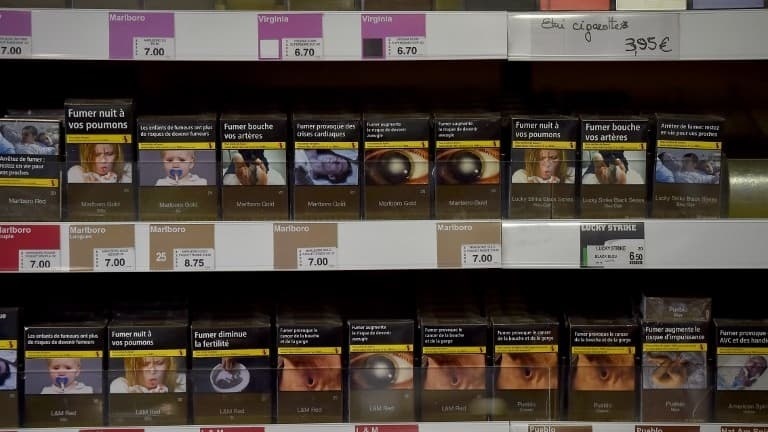
According to recent reports from French media, tobacco prices are expected to increase by as much as 1.50 euros by 2024. Retailers have expressed deep concerns over the regulated prices of hand-rolled and heated tobacco, fearing that such price hikes will further fuel rampant illicit trade.


According to reports, tobacco retailers are expecting a 40 to 50 euro cent increase in cigarette prices on January 1, 2024, as tobacco taxes are currently linked to inflation levels. In 2023, the tax department implemented a new tax system for previously low-tax products such as hand-rolled cigarettes and heat-not-burn cigarettes. Most tobacco manufacturers have stated that prices will be raised by 50 euro cents to account for the impact of inflation, but some companies have taken a more aggressive approach. For example, Philip Morris International (PMI) has announced that their Marlboro products will see a minimum increase of 1 euro, according to a document released by customs on Tuesday.


"This price adjustment exploits the consumers of hand-rolled and heated cigarettes, most of whom are living in poverty," lamented the Tobacco Distributors Association. "We were aware that prices would increase, and the adjustments in the prices of hand-rolled and heated cigarettes were inevitable. However, the situation has now exceeded our expectations, and the drastic price increase is likely to drive consumers towards the illegal market," expressed the Tobacco Distributors Association.


The French government's new anti-smoking plan, proposed at the end of November last year, predicts that by early 2027, the minimum price for a pack of 20 cigarettes will gradually increase to 13 euros, with the first step being an increase to 12 euros in 2025.


We welcome news tips, article submissions, interview requests, or comments on this piece.

Please contact us at info@2firsts.com, or reach out to Alan Zhao, CEO of 2Firsts, on LinkedIn


Notice

1.  This article is intended solely for professional research purposes related to industry, technology, and policy. Any references to brands or products are made purely for objective description and do not constitute any form of endorsement, recommendation, or promotion by 2Firsts.

2.  The use of nicotine-containing products — including, but not limited to, cigarettes, e-cigarettes, nicotine pouchand heated tobacco products — carries significant health risks. Users are responsible for complying with all applicable laws and regulations in their respective jurisdictions.

3.  This article is not intended to serve as the basis for any investment decisions or financial advice. 2Firsts assumes no direct or indirect liability for any inaccuracies or errors in the content.

4.  Access to this article is strictly prohibited for individuals below the legal age in their jurisdiction.


Copyright


This article is either an original work created by 2Firsts or a reproduction from third-party sources with proper attribution. All copyrights and usage rights belong to 2Firsts or the original content provider. Unauthorized reproduction, distribution, or any other form of unauthorized use by any individual or organization is strictly prohibited. Violators will be held legally accountable.

For copyright-related inquiries, please contact: info@2firsts.com


AI Assistance Disclaimer


This article may have been enhanced using AI tools to improve translation and editorial efficiency. However, due to technical limitations, inaccuracies may occur. Readers are encouraged to refer to the cited sources for the most accurate information.

We welcome any corrections or feedback. Please contact us at: info@2firsts.com

Malaysia Liquid Nicotine Returns to Poisons List, Leaving Vape Retail and RM354 Million Tax Collection in Legal Uncertainty
Malaysia’s withdrawal of its appeal in a landmark liquid-nicotine case has left a High Court ruling that struck down the 2023 nicotine exemption in force, bringing liquid and gel nicotine used in vaping products back under the Poisons Act 1952. At the same time, the Control of Smoking Products for Public Health Act 2024 continues to provide a regulatory framework for vaping products, creating uncertainty over retail sales, taxation and existing inventory. MPs are calling for nicotine vape sales and excise collection to stop, including refunds of more than RM354 million collected since 2023, while industry and consumer groups are asking the government to clarify the current legal position.
Sep.04
 $20 Million, a Permanent Injunction and Distributor Controls: Posh Deal Tightens Illinois Vape Compliance
$20 Million, a Permanent Injunction and Distributor Controls: Posh Deal Tightens Illinois Vape Compliance
An Illinois court ordered three companies tied to Posh vapes to pay $20 million and permanently restricted the sale, marketing and distribution in Illinois of products lacking required FDA authorization. The consent order also imposes downstream distributor controls, age-verification measures and social-media marketing limits, creating a new state-level compliance benchmark for disposable vape businesses.
Regulations
Aug.05
Philippines Weighs Unified Vape Tax as Lawmakers Back Risk-Based Rates and Government Seeks to Fill ₱66 Billion Revenue Gap
Philippine lawmakers are considering an overhaul of the country's vape excise-tax regime to eliminate the wide gap between taxes on nicotine salt and freebase nicotine liquids and reduce incentives for misdeclaration. House Bill 5364, filed by Rep. Rufus Rodriguez and Rep. Maximo Rodriguez Jr., would impose a unified ₱10-per-milliliter tax on vapor products, with 5% annual increases beginning in 2027. Rodriguez says the proposal could generate an average ₱6 billion in annual collections from 2027 through 2030. The debate comes as the Philippine government considers tobacco, vape and other health-tax reforms to help offset around ₱66 billion in revenue expected to be forgone under a proposed tax-relief package.
Aug.18
Australia’s Victoria Steps Up Illegal Tobacco Enforcement With Store Closures and Penalties of Up to A$2.5 Million
Australia’s state of Victoria has activated new powers allowing Tobacco Licensing Victoria and police to shut premises suspected of selling, supplying or possessing illicit tobacco for up to 90 days. Longer closures can be ordered by a magistrates’ court. Businesses subject to closure orders must generally cease all trading and will be placed on a public list. Breaching a closure order can carry penalties of up to A$2.5 million and 20 years in prison.
Sep.10
South Korea Vape Strategies Diverge as BAT Reconsiders Exit and PMI Takes VEEV to About 14,000 Stores
BAT Rothmans says it previously considered exiting South Korea's vaping market because of competitive pressure from unregulated products, but is now reassessing conditions following changes to the country's nicotine regulatory framework. Vuse and other BAT vaping products remain available through existing distribution channels. The statement followed a South Korean media report that interpreted BAT's broader withdrawal from selected Vapour markets as a full exit from South Korea. Meanwhile, Philip Morris International launched VEEV inPRIME in the country in June and began expanding distribution to around 14,000 convenience stores and other retail channels in July. The contrasting moves highlight differing investment strategies as South Korea's regulated vaping market evolves.
Aug.14
China Discloses First Criminal Case Over Counterfeit Vapes Disguised as “Medical Nebulizers” and “Zero-Nicotine” Products
Chinese authorities have disclosed the country’s first reported criminal case involving counterfeit vapes marketed as “medical nebulizers” and “zero-nicotine” products. Authorities determined that the products involved were counterfeit vapes and pursued criminal charges for producing and selling counterfeit goods. According to the report, the case resulted in the seizure of 347,000 counterfeit vape pods and 53,700 vape devices, with physical goods valued at 22.13 million yuan.
Aug.04