Russian Authorities Bust Organized Tobacco Counterfeiting Group

Nov.24.2022
Russian Authorities Bust Organized Tobacco Counterfeiting Group
Organized group selling untaxed tobacco products discovered in Chechnya, Russia; four suspects under investigation.

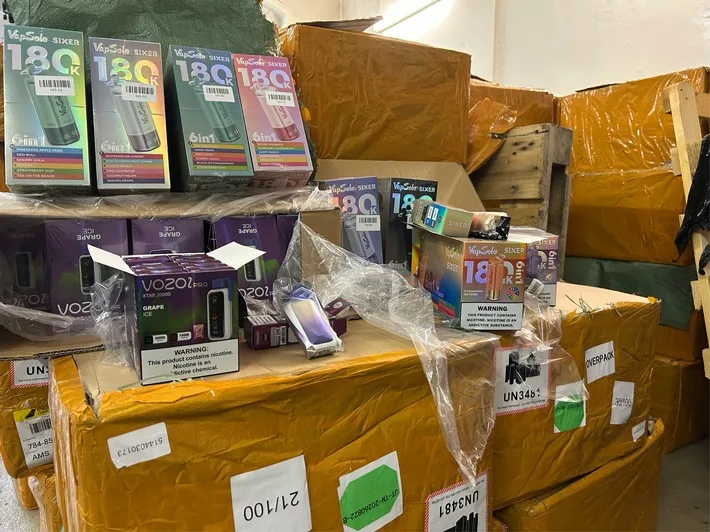
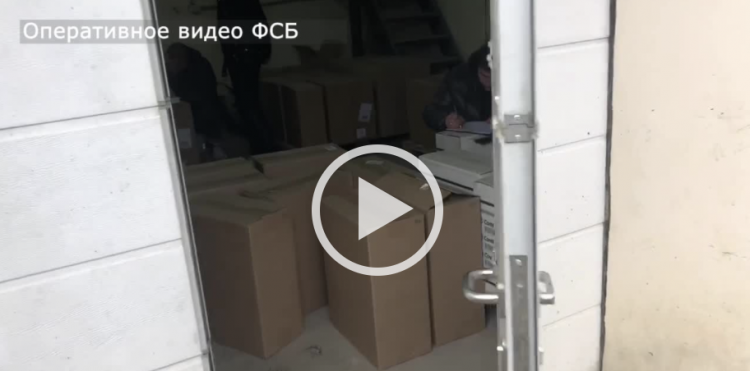
The source of the images from the scene where smugglers were caught is the Ministry of Internal Affairs of Russia.


According to a statement from the Russian Ministry of Internal Affairs, an organized group has been identified as participating in the supply and sale of counterfeit tobacco products in the Chuvash Republic during operations and investigations by the Federal Security Service of the Russian Federation. These unmarked products were sold in electronic cigarette packaging through retail stores, unrelated to mandatory labeling of goods. The Ministry of Internal Affairs of the Chuvash Republic has initiated criminal proceedings against four defendants (including a Ukrainian and residents of the Kozlovsky and Batareivsky districts and Cheboksary), under Part 6 of Article 171.1 of the Russian Criminal Code, for the sale of mass quantities of unmarked goods and products, including over 120,000 packs of cigarettes worth more than 13 million rubles (approximately 1.53 million yuan). The investigation into the criminal case is currently ongoing.


Statement:


This article is compiled from third-party information and is intended for industry exchange and learning purposes only.


This article does not represent the views of 2FIRSTS, and 2FIRSTS cannot confirm the authenticity or accuracy of the content. The translation of this article is solely for industry-related exchange and research purposes.


Due to limitations in translation ability, the translated article may not fully reflect the original wording. Please refer to the original article for accuracy.


2FIRSTS maintains complete alignment with the Chinese government on any domestic, Hong Kong, Macau, Taiwan, or foreign-related statements and positions.


The copyright for compiled information belongs to the original media and author. If there is any infringement, please contact us to request deletion.


Disclaimer

This article is provided solely for professional research, industry discussion, and informational purposes. Any references to brands, companies, products, technologies, or policies are made for factual reporting and analytical purposes only, and do not constitute endorsement, recommendation, promotion, or advertising by 2Firsts.

Nicotine-containing products, including but not limited to cigarettes, e-cigarettes, heated tobacco products, and nicotine pouches, carry significant health risks. Readers are responsible for complying with all applicable laws and regulations in their respective jurisdictions, including age restrictions and access limitations.

The information contained in this article should not be regarded as investment, legal, medical, regulatory, or commercial advice. While 2Firsts strives to ensure the accuracy and reliability of its content, it does not assume liability for any direct or indirect loss arising from errors, omissions, inaccuracies, or reliance on the information contained herein.

This article is not intended for individuals below the legal age for accessing tobacco or nicotine-related information in their jurisdiction.


Copyright Notice

This article is either original content produced by 2Firsts or content reproduced, translated, summarized, or adapted from third-party sources with attribution where applicable. The intellectual property rights of the original content remain with 2Firsts or the respective original rights holders.

No individual or organization may copy, reproduce, distribute, republish, modify, translate, or otherwise use this content without prior authorization. Any unauthorized use may result in legal action.

For copyright-related inquiries, corrections, or removal requests, please contact: info@2firsts.com.


AI-Assisted Translation and Editing Notice

Portions of this article may have been translated, edited, or reviewed with the assistance of artificial intelligence tools to improve efficiency and readability. Due to the limitations of AI-assisted translation and editing, discrepancies, omissions, or inaccuracies may exist when compared with the original source.

Where applicable, readers are advised to refer to the original source for the most complete and accurate information. If you identify any errors or believe that any content infringes upon your rights, please contact us at info@2firsts.com, and we will review and address the matter promptly.


Product | PMI Introduces VEEV inPrime, Bringing an Induction Vaporization Platform to the Next Generation of the VEEV Portfolio
Philip Morris International (PMI) has introduced VEEV inPrime, the next-generation closed-system vape platform featuring the new AdvanceVape Induction System™. Alongside the new induction platform, PMI has redesigned the pods, e-liquid formulations and user interaction experience. According to PMI and official IQOS websites, VEEV inPrime began a phased European rollout between May and June 2026, with products now available in Greece, Estonia, the United Kingdom and Italy.
Jul.14
Ireland’s Vape Tax Raises €22 Million in Nine Months as Government Considers 2027 Budget Changes
According to Irish media outlets Highland Radio and BreakingNews.ie, the Irish government is considering whether to adjust vape tax policy in the 2027 Budget. The tax has generated about €22 million ($24 million) in revenue during its first nine months. While no increase has been confirmed, the revenue performance could influence future fiscal discussions. Any tax rise could increase product costs and potentially affect retail prices.
Aug.12
BREAKING | China’s Tobacco Regulator Summons iMiracle Over Suspected Compliance Breaches
Based on public records reviewed by 2Firsts, this is the first time China’s State Tobacco Monopoly Administration has publicly announced regulatory talks with an e-cigarette company.
Jul.29
U.S. House Defense Bill Includes Pilot Review of Vapes, Nicotine Pouches and Heated Tobacco for Military Smokers
On July 23, 2026, the U.S. House of Representatives passed its version of the Fiscal Year 2027 National Defense Authorization Act (NDAA), which includes Section 707 provisions requiring the Department of Defense to evaluate tobacco use and nicotine alternatives among military personnel. The pilot program would examine products including vapes, nicotine pouches and heated tobacco products, primarily among active-duty service members who continue using combustible tobacco. The provision is a policy evaluation effort, not an authorization for military vaping promotion or a ban on vape products.
Jul.28
South Korean Lawmaker Jeong Jin-wook Pushes Synthetic Nicotine Vape Probe, Highlighting Supply Chain and Tax Concerns
South Korean lawmaker Jeong Jin-wook has again called for stronger government action against liquid synthetic nicotine vape manufacturers and sellers, alleging that some businesses may have avoided regulation through product labeling changes and corporate restructuring. According to Newsworks, JNILBO and other Korean reports, Jeong has held his third press conference on the issue, calling for a government-wide investigation. The dispute involves whether synthetic nicotine products should fall under tobacco regulations, tax implications and supply-chain transparency. South Korean government agencies have previously said some estimates of potential tax losses cannot be verified due to limited sales data.
Jul.27
ATF Cancels Webloc Contract, Raising Questions Over Commercial Location Data in Enforcement
The U.S. Bureau of Alcohol, Tobacco, Firearms and Explosives (ATF) has stopped using Webloc, a commercial phone-tracking tool, after lawmakers, a prosecutor and a judge raised legal and privacy concerns over warrantless use of ad-tech location data, a development that may affect data-use boundaries in U.S. enforcement against illicit tobacco, nicotine products and cross-border distribution networks.
Jun.29