According to a report from the Russian parliamentary newspaper on December 11, members of the St. Petersburg City Council in Russia are advocating for a complete ban on e-cigarettes. During their initial review, they passed a proposal requesting Anton Shalaev, the head of the Russian national standards agency, to strengthen the standards for e-cigarette packaging.
The bill has sparked discussions among many legislators.
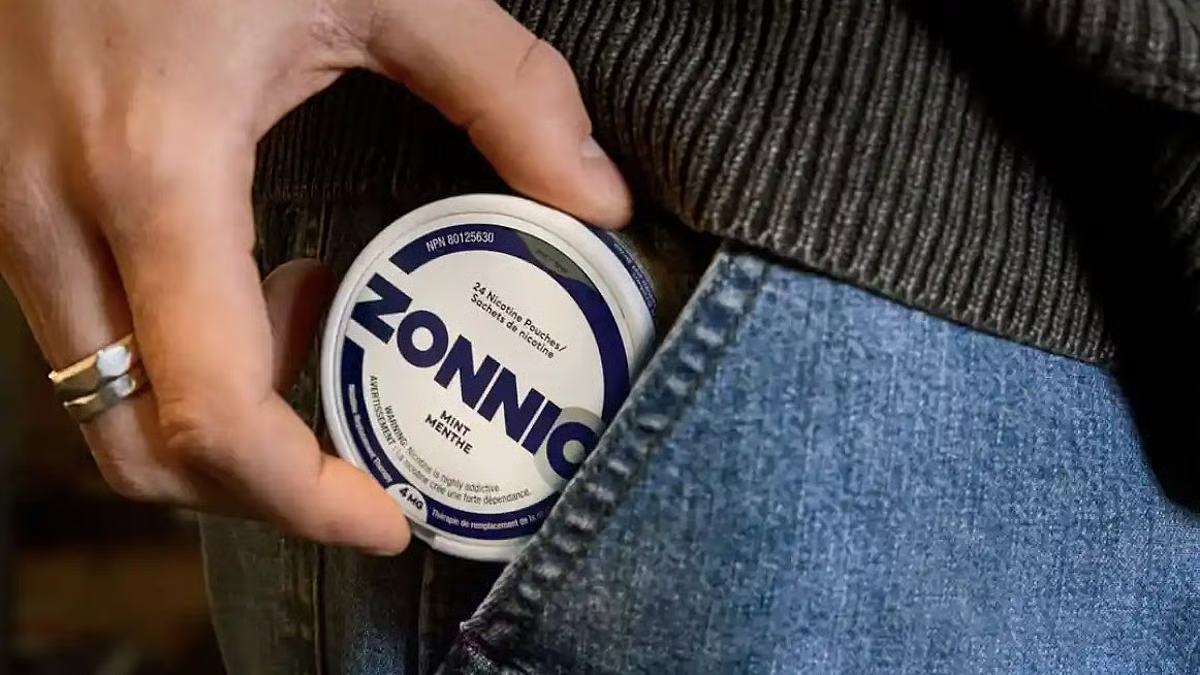
Anton Solovyov, the author of the bill and a member of parliament, pointed out that manufacturers of e-cigarette liquid often sell their products in brightly colored packaging, which sparks a desire for consumers to try them. He has called for regulations to be strengthened on the packaging of such products.
Member Konstantin Chebykin stated that 80-90% of e-cigarette products on the market are counterfeit, with the ingredients of the e-liquid unknown. In light of the usage of e-cigarettes among adolescents, he advocates for a complete ban on e-cigarettes.
Member of parliament Pavel Itkin warns that colleagues from the Liberal Democratic Party have already introduced a related ban bill in the State Duma, and he is calling on representatives from other parties to support this initiative.
Member of Parliament Alexander Malkevich pointed out that some product packaging still contains drug advertising content, and he declared that manufacturers should be severely punished for this.
Member of Parliament Alexander Rassudov has taken a neutral stance on the bill, noting that many people turn to e-cigarettes when trying to quit traditional cigarettes. He believes that due to the risks of quitting smoking suddenly, it is necessary to make a cautious judgment.
Alexander Belsky, spokesperson for the St. Petersburg City Council, believes that efforts should be made to limit the attractiveness and use of e-cigarettes.
Anton Shalayev mentioned in a previous interview with The Parliamentary Gazette that the current standards were established in 2018, with no other regulatory schemes in place at the time, as the use of e-cigarettes is rapidly growing. He suggested that consequences of using e-cigarettes and heated tobacco products should be clearly labeled on packaging, similar to cigarette packaging.
Previously, on September 2nd, Russian President Vladimir Putin addressed concerns about the increasing use of e-cigarettes among young people during a back-to-school event, emphasizing the need for vigilance.
In May of this year, a bill proposing a nationwide ban on e-cigarettes was submitted to the State Duma. Despite lack of support from the government, lawmakers are still pushing for the bill to be passed.
We welcome news tips, article submissions, interview requests, or comments on this piece.
Please contact us at info@2firsts.com, or reach out to Alan Zhao, CEO of 2Firsts, on LinkedIn
Notice
1. This article is intended solely for professional research purposes related to industry, technology, and policy. Any references to brands or products are made purely for objective description and do not constitute any form of endorsement, recommendation, or promotion by 2Firsts.
2. The use of nicotine-containing products — including, but not limited to, cigarettes, e-cigarettes, nicotine pouchand heated tobacco products — carries significant health risks. Users are responsible for complying with all applicable laws and regulations in their respective jurisdictions.
3. This article is not intended to serve as the basis for any investment decisions or financial advice. 2Firsts assumes no direct or indirect liability for any inaccuracies or errors in the content.
4. Access to this article is strictly prohibited for individuals below the legal age in their jurisdiction.
Copyright
This article is either an original work created by 2Firsts or a reproduction from third-party sources with proper attribution. All copyrights and usage rights belong to 2Firsts or the original content provider. Unauthorized reproduction, distribution, or any other form of unauthorized use by any individual or organization is strictly prohibited. Violators will be held legally accountable.
For copyright-related inquiries, please contact: info@2firsts.com
AI Assistance Disclaimer
This article may have been enhanced using AI tools to improve translation and editorial efficiency. However, due to technical limitations, inaccuracies may occur. Readers are encouraged to refer to the cited sources for the most accurate information.
We welcome any corrections or feedback. Please contact us at: info@2firsts.com