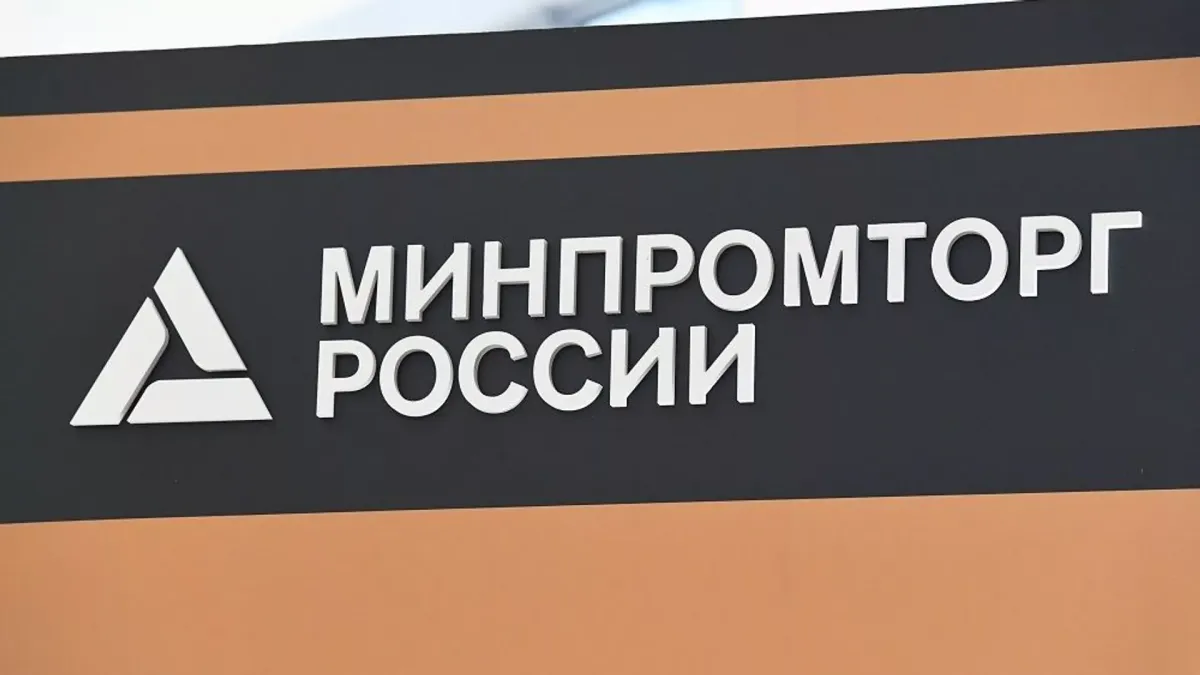
On April 28th, Vladislav Zaslavsky, acting director of the Department of Digital Commodity Identification Systems at the Russian Ministry of Industry and Trade, announced that the losses caused by illegal tobacco transactions in Russia in 2022 amounted to 81.5 billion rubles.
He made this statement during a roundtable aimed at combating the illegal trade of tobacco and nicotine products. These figures are estimated by the National Scientific Center for the Suppression of Illicit Industrial Products (ANONNCCK).
According to the largest estimate, this number exceeds 100 billion rubles.
Zaslawski also stated that, according to ANONNCCK's data, the proportion of illegal cigarettes among smokers in 2022 is 12.2%.
He stated, "By the end of 2022, the market share of illegal nicotine products had reached 79%, with illegal e-liquid accounting for 93% of that. This further adds to the estimated national loss of 3 billion rubles.
According to him, this market is expected to undergo fundamental changes with the implementation of specialized legal regulations for tobacco and nicotine products. The bill is currently going through its second reading in the national parliament.
He reminded that the bill provides for a mandatory licensing system for the production and import of tobacco, nicotine products and raw materials. Manufacturers must register the main equipment used to produce their products and take other measures to clean up the market.
The proposed bill suggests transferring the authority to regulate the tobacco market from the Ministry of Agriculture to the Ministry of Finance, and restructuring the Russian alcohol regulatory agency to create a federal agency responsible for monitoring the alcohol and tobacco markets, known as the Russian Alcohol and Tobacco Control Authority.
According to the participants of the roundtable discussion, the spread of illegal products was partly due to the suspension of commercial inspections.
In this scenario, Zaslawski believes there should be a shift towards risk-based regulation.
A marking system that provides product traceability (honest labeling) could become the foundation of a risk management system. It is now necessary to align regulatory frameworks with the data used in the system in order to achieve regulatory oversight.
He said that 11 indicators have been developed to identify potential violations in the tobacco market.
According to data from the Russian Statistics Agency, cigarette production in Russia decreased by 7% in 2022 compared to the previous year, with a total of 22.2 billion cigarettes produced.
Related Reading:
Russia seized smuggled cigarettes worth 4 million yuan.
The regulatory authority over the tobacco market in Russia is set to be transferred from the Ministry of Agriculture and Taxation to the Ministry of Finance.
A roundtable discussion on the issue of illegal tobacco trafficking was held in Orenburg, Russia.
Russia seizes a batch of tobacco products without "honest labeling" valued at 50 million rubles.
Reference:
The Ministry of Industry and Trade estimates that the illegal tobacco trade will cause a loss of 81.5 billion rubles to the budget in 2022.
Disclaimer
This article is provided solely for professional research, industry discussion, and informational purposes. Any references to brands, companies, products, technologies, or policies are made for factual reporting and analytical purposes only, and do not constitute endorsement, recommendation, promotion, or advertising by 2Firsts.
Nicotine-containing products, including but not limited to cigarettes, e-cigarettes, heated tobacco products, and nicotine pouches, carry significant health risks. Readers are responsible for complying with all applicable laws and regulations in their respective jurisdictions, including age restrictions and access limitations.
The information contained in this article should not be regarded as investment, legal, medical, regulatory, or commercial advice. While 2Firsts strives to ensure the accuracy and reliability of its content, it does not assume liability for any direct or indirect loss arising from errors, omissions, inaccuracies, or reliance on the information contained herein.
This article is not intended for individuals below the legal age for accessing tobacco or nicotine-related information in their jurisdiction.
Copyright Notice
This article is either original content produced by 2Firsts or content reproduced, translated, summarized, or adapted from third-party sources with attribution where applicable. The intellectual property rights of the original content remain with 2Firsts or the respective original rights holders.
No individual or organization may copy, reproduce, distribute, republish, modify, translate, or otherwise use this content without prior authorization. Any unauthorized use may result in legal action.
For copyright-related inquiries, corrections, or removal requests, please contact: info@2firsts.com.
AI-Assisted Translation and Editing Notice
Portions of this article may have been translated, edited, or reviewed with the assistance of artificial intelligence tools to improve efficiency and readability. Due to the limitations of AI-assisted translation and editing, discrepancies, omissions, or inaccuracies may exist when compared with the original source.
Where applicable, readers are advised to refer to the original source for the most complete and accurate information. If you identify any errors or believe that any content infringes upon your rights, please contact us at info@2firsts.com, and we will review and address the matter promptly.