Key Points
- Effective Date: March 1, 2026
- Authority: Regional law introduced by Governor Dmitry Makhonin (Дмитрий Махонин)
- Penalties: Fines for sales in unauthorized locations, including residential zones
- Context: Federal debates and lobbying in Moscow delaying nationwide action
- Background: The initiative aligns with calls from other regions and federal leaders, including President Vladimir Putin, to curb vaping.
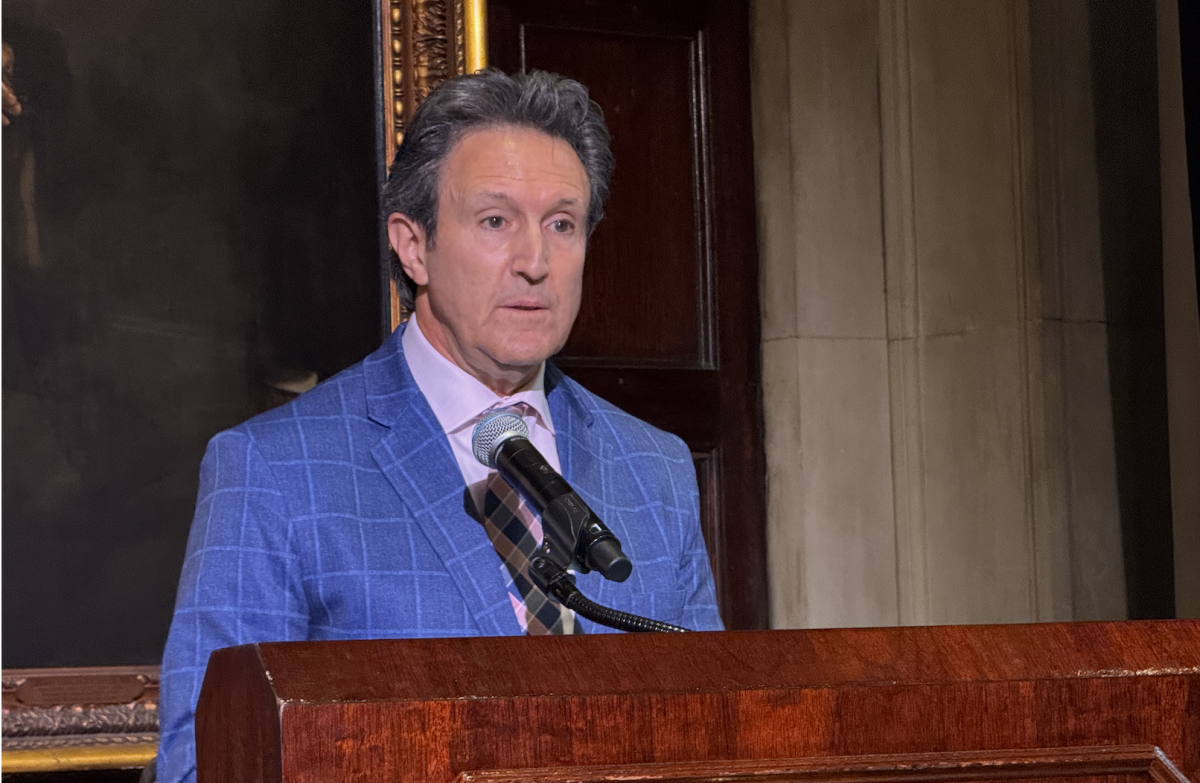
2Firsts, November 26, 2025 — According to FederalPress,The Governor of the Perm Region, Dmitry Makhonin (Дмитрий Махонин), announced during a live broadcast that the regional ban on electronic cigarettes will come into force on March 1, 2026.
“We will ensure that this law takes effect from the beginning of the first quarter next year,” Makhonin said. “Some lobbying activity has resumed in the State Duma. The manufacturers are already trying to put pressure on us — but they will not succeed. This ban is a lawful and necessary measure. We will defend it in court if needed.”
The governor emphasized that the law would also prohibit the operation of vape kiosks within residential cooperatives or property management areas, adding that any violations will result in administrative fines.
Makhonin recalled that in previous years, traders often set up kiosks near schools and sold “this poison to our children,” despite overwhelming medical evidence of the health risks associated with vaping products.
The regional parliament approved the bill earlier in November following Makhonin’s initiative. The law bans the sale, distribution, and advertising of e-cigarettes and related products across the region.
The move follows a broader anti-vaping push across Russia: Nizhny Novgorod Governor Gleb Nikitin (Глеб Никитин) first proposed a nationwide ban in August, a measure that later received the backing of President Vladimir Putin.2Firsts, November 25, 2025 — According to FederalPress:
The Governor of the Perm Region, Dmitry Makhonin (Дмитрий Махонин), announced during a live broadcast that the regional ban on electronic cigarettes will come into force on March 1, 2026.
“We will ensure that this law takes effect from the beginning of the first quarter next year,” Makhonin said. “Some lobbying activity has resumed in the State Duma. The manufacturers are already trying to put pressure on us — but they will not succeed. This ban is a lawful and necessary measure. We will defend it in court if needed.”
The governor emphasized that the law would also prohibit the operation of vape kiosks within residential cooperatives or property management areas, adding that any violations will result in administrative fines.
Makhonin recalled that in previous years, traders often set up kiosks near schools and sold “this poison to our children,” despite overwhelming medical evidence of the health risks associated with vaping products.
The regional parliament approved the bill earlier in November following Makhonin’s initiative. The law bans the sale, distribution, and advertising of e-cigarettes and related products across the region.
The move follows a broader anti-vaping push across Russia: Nizhny Novgorod Governor Gleb Nikitin (Глеб Никитин) first proposed a nationwide ban in August, a measure that later received the backing of President Vladimir Putin.
Image source: Shutterstock.
We welcome news tips, article submissions, interview requests, or comments on this piece.
Please contact us at info@2firsts.com, or reach out to Alan Zhao, CEO of 2Firsts, on LinkedIn
Notice
1. This article is intended solely for professional research purposes related to industry, technology, and policy. Any references to brands or products are made purely for objective description and do not constitute any form of endorsement, recommendation, or promotion by 2Firsts.
2. The use of nicotine-containing products — including, but not limited to, cigarettes, e-cigarettes, nicotine pouchand heated tobacco products — carries significant health risks. Users are responsible for complying with all applicable laws and regulations in their respective jurisdictions.
3. This article is not intended to serve as the basis for any investment decisions or financial advice. 2Firsts assumes no direct or indirect liability for any inaccuracies or errors in the content.
4. Access to this article is strictly prohibited for individuals below the legal age in their jurisdiction.
Copyright
This article is either an original work created by 2Firsts or a reproduction from third-party sources with proper attribution. All copyrights and usage rights belong to 2Firsts or the original content provider. Unauthorized reproduction, distribution, or any other form of unauthorized use by any individual or organization is strictly prohibited. Violators will be held legally accountable.
For copyright-related inquiries, please contact: info@2firsts.com
AI Assistance Disclaimer
This article may have been enhanced using AI tools to improve translation and editorial efficiency. However, due to technical limitations, inaccuracies may occur. Readers are encouraged to refer to the cited sources for the most accurate information.
We welcome any corrections or feedback. Please contact us at: info@2firsts.com