Saudi Arabia Weighs to Ban Tobacco Sales to under 21s

Innovation by See News
Jun.05.2022
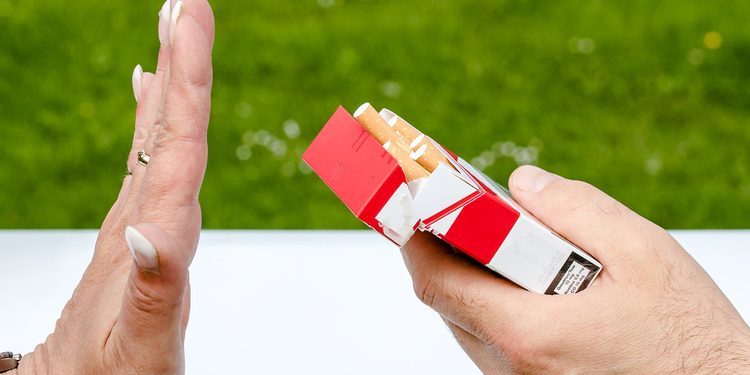
Saudi Arabia is considering limiting the sale of tobacco products and raising the legal smoking age to 21 years, according to a government official.

Saudi Arabia is considering limiting the sale of tobacco products and raising the legal smoking age to 21 years, according to a government official.

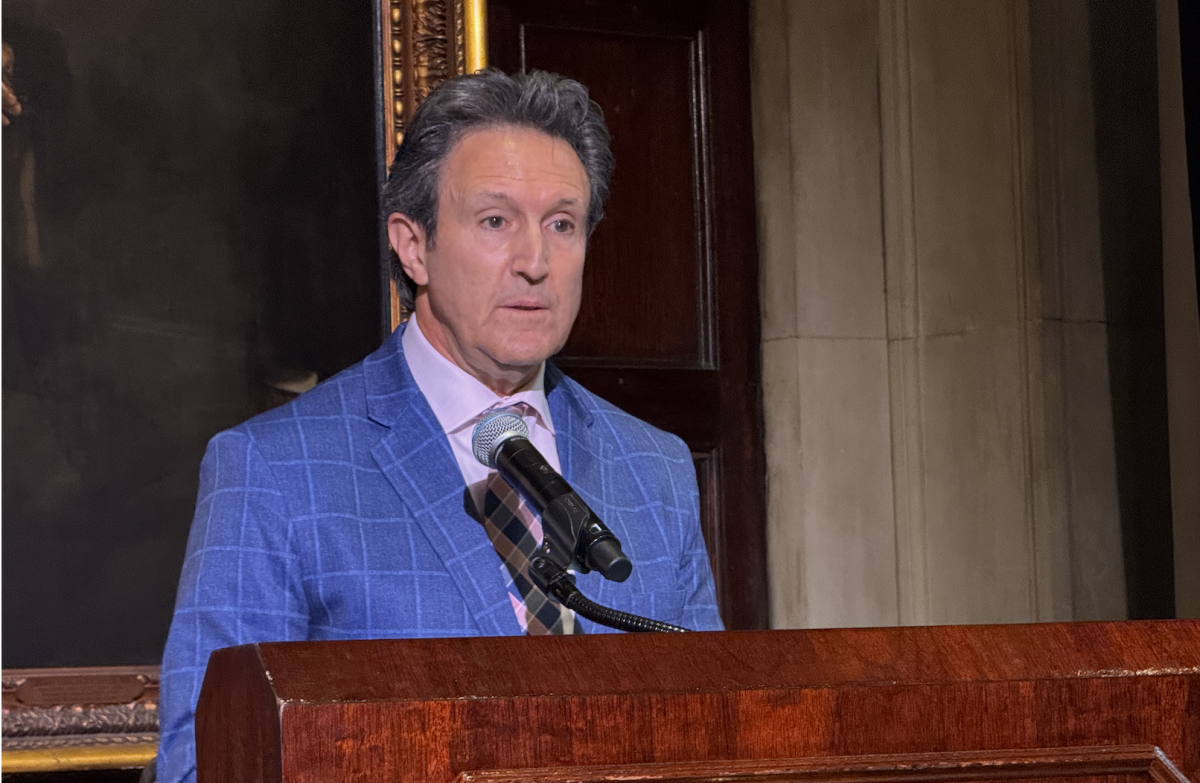
“Work is underway on a proposal to prohibit the sale of tobacco products in grocery shops and supermarkets,” said Dr. Mansour Al Qahtani, the Saudi National Committee for Tobacco Control’ssecretary general.

He stated that the committee is working with the Ministry of Health on executing a related World Health Organization policy, which includes raising the legal age of access to tobacco products and cafes from 18 to 21 years.

He stated, “We are working to raise this age to 21 years soon.”

“Legalizing tobacco sales in some stores will make them less readily available than they are now in all grocery stores and supermarkets,” Dr. Al Qahtani told Saudi TV Al Ekhbariya.

He went on to say that the steps will help identify tobacco product customers and create a database on them.

In Saudi Arabia, a country with a population of over 35 million people, the number of smokers is estimated to be over 5 million.

The WHO Framework Convention on Tobacco Control was ratified by the kingdom in 2005. Every year the tobacco industry costs the world more than 8 million human lives, 600 million trees, 200 000 hectares of land, 22 billion tonnes of water and 84 million tonnes of CO2.

The majority of tobacco is grown in low-and-middle-income countries, where water and farmland are often desperately needed to produce food for the region. Instead, they are being used to grow deadly tobacco plants, while more and more land is being cleared of forests.
 

Saudi Arabia Weighs to Ban Tobacco Sales to under 21s


Source:See News

Opinion | Samrat Chowdhery: Tobacco Price Elasticity—A Convenient Myth?
This opinion piece, submitted by Samrat Chowdhery to 2Firsts, challenges the logic of tobacco price elasticity. It argues that high taxes often harm vulnerable populations and fuel illicit markets rather than reducing smoking.
Oct.21
Australian Border Force Blocks Massive Vape Shipment Following China Intelligence
Australia has seized more than 600,000 illicit vapes in two months, following coordinated intelligence with overseas partners. The Australian Border Force (ABF) warns that illegal vaping products now form a multibillion-dollar black market dominated by organised crime syndicates.
Nov.21 by 2FIRSTS.ai
2Firsts Observation|Japan Tobacco Opens Ploom Counter at Dubai International Airport with Scent-Based Experience Display
2Firsts observed that Japan Tobacco’s heated tobacco brand Ploom has set up an independent retail counter at Dubai International Airport’s duty-free zone, showcasing its new Ploom AURA device. The counter features an interactive scent-release system that allows consumers to experience flavors through aroma rather than inhalation, offering a new approach to product display in smoke-free environments.
Nov.13 by 2FIRSTS.ai
WHO MOP4 Focuses on Justice and Prosecution to Combat Illicit Tobacco Trade
The Fourth Meeting of the Parties (MOP4) to the Protocol to Eliminate Illicit Trade in Tobacco Products opened in Geneva on November 24, 2025. With 60 Parties participating, the meeting focuses on strengthening legal action and international cooperation to combat illicit trade, which accounts for about 11% of the global tobacco market and costs governments billions in lost tax revenue.
Nov.25 by 2FIRSTS.ai
South Korea’s National Assembly Passes Law Classifying E-Cigarettes as Tobacco Products with Full Equivalent Regulation
South Korea’s National Assembly recently passed a comprehensive package of 79 bills that, among other measures, formally classifies liquid vapes — e-cigarette products using nicotine-containing e-liquids — as tobacco products. These products will now be subject to the same taxation, sales restrictions and advertising controls as traditional cigarettes, and the vaping industry in South Korea is expected to face significant adjustments in compliance costs, market access and business strategy.
Dec.03
California DOJ Outlines Next Steps for Unflavored Tobacco List; Enforcement to Target “Obviously Flavored” Products
The California DOJ issued Information Bulletin No. 2025-DLE-17 on November 10, 2025, providing an update on the state’s flavored tobacco enforcement. The Attorney General’s office is set to launch the Unflavored Tobacco List (UTL) by December 31, 2025, identifying tobacco products without characterizing flavors that may legally be sold in California. Enforcement will continue to focus on “obviously flavored” products, while unregistered products remain subject to seizure and penalties.
Nov.17 by 2FIRSTS.ai