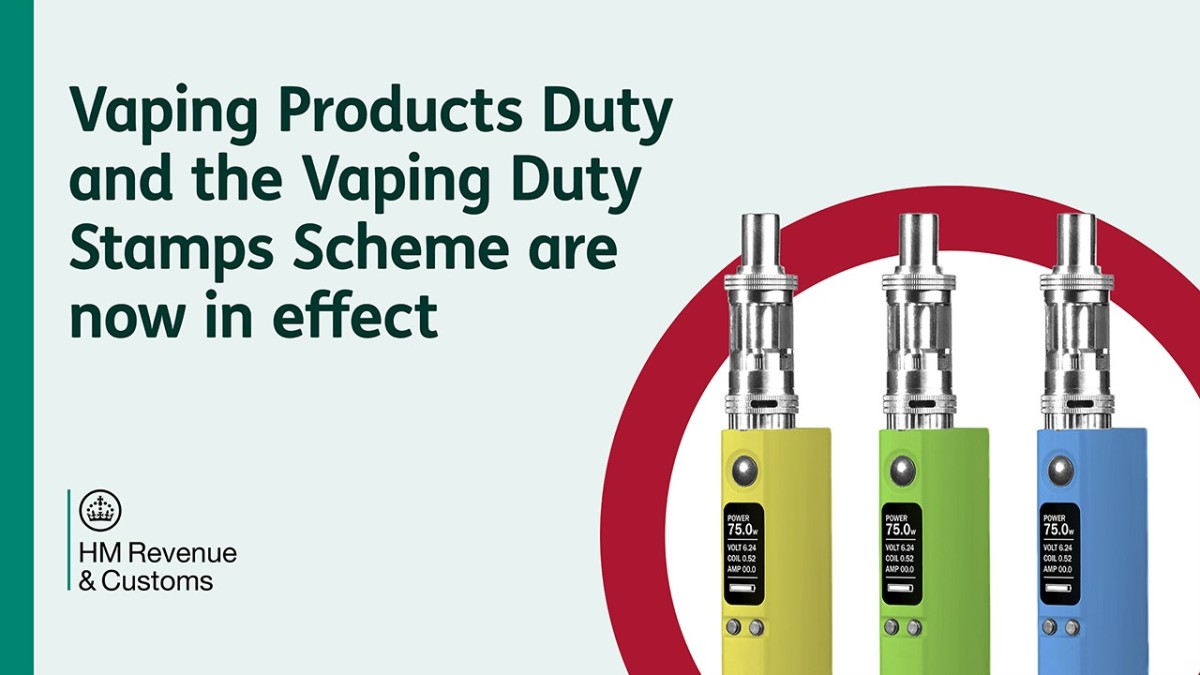
According to a report by Vera Files on August 7, the Southeast Asia Tobacco Control Alliance (SEATCA) has called on Philippine legislators to reconsider the "Vaporized Nicotine and Non-Nicotine Products Regulation Act," which gives the Department of Trade and Industry regulatory power over electronic smoking devices (ESDs). This call comes following a Supreme Court ruling which clearly stated that such products should be regulated by the Food and Drug Administration (FDA).
It has been reported that on January 26, 2022, the Philippine Congress passed the "Vaporized Nicotine and Non-Nicotine Products Regulation Act" (Republic Act No. 11900). The newly elected President, Ferdinand Marcos Jr., allowed the law to automatically take effect on July 25, despite calls from health organizations and medical groups to veto the bill in order to protect youth from the dangers of tobacco and other e-cigarette products.
The law will lower the age restriction for the use of e-cigarettes from 21 to 18, allowing online advertising and sales of new types of e-cigarette products, and placing regulation under the Department of Commerce and Industry instead of the FDA. The Department of Commerce and Industry issued a temporary suspension of online sales of e-cigarette products on July 20, stating the need to "protect youth and prioritize public health.
In a decision announced on July 23, the Supreme Court stated:
All products that affect health, including tobacco products, should fall under the jurisdiction of the FDA to ensure their safety, efficacy, purity, and quality.
The Philippines Department of Health welcomed the decision on July 30, stating that it is an important step in preventing the tobacco industry from bypassing existing policies and enhancing the ability of enforcement agencies to reduce health risks associated with tobacco consumption.
The Executive Director of SEATCA, Dr. Ulysses Dorotheo, pointed out:
Due to the harmful effects of e-cigarettes on health, the FDA is the appropriate agency regulating these products. We must actively protect the authority of the health department to regulate the tobacco industry and reject any attempts to weaken or question this authority.
The former Health Minister Jaime Galvez Tan stated:
This is a milestone victory in our fight to reduce tobacco consumption and its deadly impact on Filipinos, especially young people.
In the latest ruling written by Supreme Court Associate Justice Marvic Leonen, the Court reiterated its 2021 decision affirming the FDA's authority to regulate tobacco products. The Court rejected the motion for reconsideration filed by the Philippine Tobacco Institute (PTI) and Albay 1st District Representative Edcel Lagman, and further dismissed the Tobacco Inter-Agency Committee's claim of exclusive authority over tobacco products.
We welcome news tips, article submissions, interview requests, or comments on this piece.
Please contact us at info@2firsts.com, or reach out to Alan Zhao, CEO of 2Firsts, on LinkedIn
Notice
1. This article is intended solely for professional research purposes related to industry, technology, and policy. Any references to brands or products are made purely for objective description and do not constitute any form of endorsement, recommendation, or promotion by 2Firsts.
2. The use of nicotine-containing products — including, but not limited to, cigarettes, e-cigarettes, nicotine pouchand heated tobacco products — carries significant health risks. Users are responsible for complying with all applicable laws and regulations in their respective jurisdictions.
3. This article is not intended to serve as the basis for any investment decisions or financial advice. 2Firsts assumes no direct or indirect liability for any inaccuracies or errors in the content.
4. Access to this article is strictly prohibited for individuals below the legal age in their jurisdiction.
Copyright
This article is either an original work created by 2Firsts or a reproduction from third-party sources with proper attribution. All copyrights and usage rights belong to 2Firsts or the original content provider. Unauthorized reproduction, distribution, or any other form of unauthorized use by any individual or organization is strictly prohibited. Violators will be held legally accountable.
For copyright-related inquiries, please contact: info@2firsts.com
AI Assistance Disclaimer
This article may have been enhanced using AI tools to improve translation and editorial efficiency. However, due to technical limitations, inaccuracies may occur. Readers are encouraged to refer to the cited sources for the most accurate information.
We welcome any corrections or feedback. Please contact us at: info@2firsts.com