2Firsts, December 2, 2025 — A vape-related case reported by the newspaper in the article “Single father of three jailed and fined for running Telegram vape shop, making deliveries” reveals the typical operational patterns of Singapore’s underground vape trade. Based on the report, the outlet uses this case as a sample to outline the structure and functioning of the country’s underground vape distribution network.
The individual involved, Shaun Phua Ming Hui, 32, is a single father of three. In April 2023, a friend introduced him to a Telegram group dedicated to assigning vape-delivery tasks. He received 10 SGD (about 7.7 USD) per delivery, completing 10 to 15 parcels per day, two days a week, earning 100 to 150 SGD daily (about 77 to 115.5 USD).
This delivery model was small-scale, frequent, and fragmented, with routes and schedules centrally assigned through the group.
In March 2024, Phua was further recruited by an industry insider. In addition to doing deliveries, he began operating two Telegram shop accounts—“Abigail vape shop” and “Ashley Tang”—which had been created upstream and issued to him. He used these accounts to receive orders, forward them to another group, and check whether packers were preparing the correct items. For operating the accounts, he earned an additional 50 SGD per week (about 38.5 USD), bringing his monthly illegal income to roughly 500 SGD (about 385 USD).
Court documents indicate that these accounts were not created by Phua himself, but generated in bulk by upstream actors and handed to part-time workers, further increasing the chain’s concealment.
On September 7, 2024, officers from the authority conducted a test-buy operation at Guilin View condominium in Bukit Gombak. Phua was arrested after arriving in a vehicle with his girlfriend to deliver the products. Vape devices and pods were found in the car, including five devices he admitted were for his own use. The operation stemmed from intelligence regarding a Telegram group selling vapes.
The court sentenced Phua to seven weeks’ jail and a fine of 16,000 SGD (about 12,320 USD). If he is unable to pay the fine, he will serve an additional 32 days in jail. He pleaded guilty to 10 charges, while 35 others were taken into consideration. Prosecutors stated that, with vaping offences on the rise, stronger deterrence was required.
Based on the case details, Singapore’s black-market vape operations typically involve:
- Scheduling coordinated through Telegram groups
- Point-to-point delivery by part-time dispatchers
- Upstream creation and distribution of shop accounts to operators
- Small order volumes, frequent drops, and a segmented distribution chain
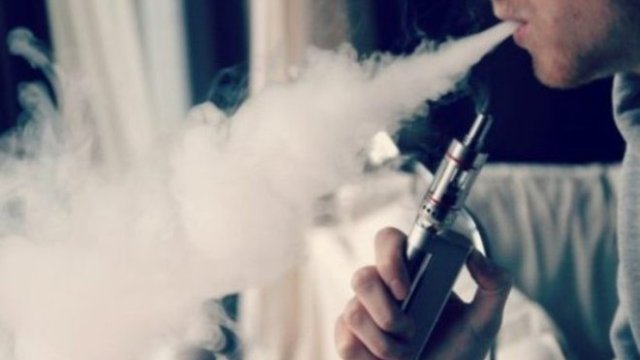
Image source: The Straits Times
We welcome news tips, article submissions, interview requests, or comments on this piece.
Please contact us at info@2firsts.com, or reach out to Alan Zhao, CEO of 2Firsts, on LinkedIn
Notice
1. This article is intended solely for professional research purposes related to industry, technology, and policy. Any references to brands or products are made purely for objective description and do not constitute any form of endorsement, recommendation, or promotion by 2Firsts.
2. The use of nicotine-containing products — including, but not limited to, cigarettes, e-cigarettes, nicotine pouchand heated tobacco products — carries significant health risks. Users are responsible for complying with all applicable laws and regulations in their respective jurisdictions.
3. This article is not intended to serve as the basis for any investment decisions or financial advice. 2Firsts assumes no direct or indirect liability for any inaccuracies or errors in the content.
4. Access to this article is strictly prohibited for individuals below the legal age in their jurisdiction.
Copyright
This article is either an original work created by 2Firsts or a reproduction from third-party sources with proper attribution. All copyrights and usage rights belong to 2Firsts or the original content provider. Unauthorized reproduction, distribution, or any other form of unauthorized use by any individual or organization is strictly prohibited. Violators will be held legally accountable.
For copyright-related inquiries, please contact: info@2firsts.com
AI Assistance Disclaimer
This article may have been enhanced using AI tools to improve translation and editorial efficiency. However, due to technical limitations, inaccuracies may occur. Readers are encouraged to refer to the cited sources for the most accurate information.
We welcome any corrections or feedback. Please contact us at: info@2firsts.com