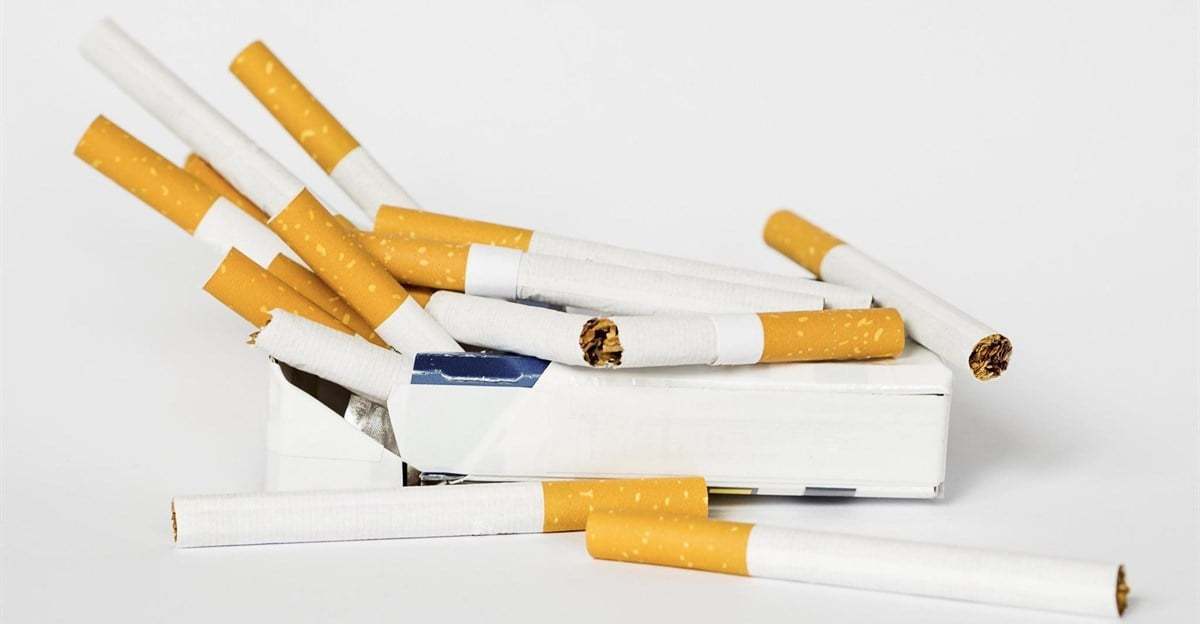
According to a report from South African research news on July 15, a survey conducted by Ipsos, a market research company based in Paris, France, has recently revealed a concerning trend in the retail market in South Africa: more than half of the stores are suspected of selling illegal tobacco products. The study was commissioned by British American Tobacco South Africa (Batsa) to assess the legality and compliance of the South African tobacco market.
A research team conducted a sample survey of over 4500 stores, covering the entire retail industry in South Africa. The survey results showed that new competitors have emerged in the market, selling tobacco at extremely low prices, with prices as low as 5 rand (approximately $0.27) for a pack of 20 cigarettes. This undoubtedly intensifies the fierce competition in the lower end of the market.
In retail stores, the supply of cigarettes priced below the Minimum Collectible Tax (MCT) has been fluctuating over the past few years. The latest research by Ipsos shows that the supply of cigarettes priced below 25.05 rand (about 1.38 US dollars) in wholesale and informal trade is worryingly high, at 83% and 72% respectively.
These findings suggest that punitive regulations on legal industries are meaningless, while illegal tobacco circulates widely at the lowest prices, concentrated in channels used by low-income individuals. Law enforcement agencies find it difficult to curb the constantly evolving illegal economy, resulting in the market spiraling out of control.
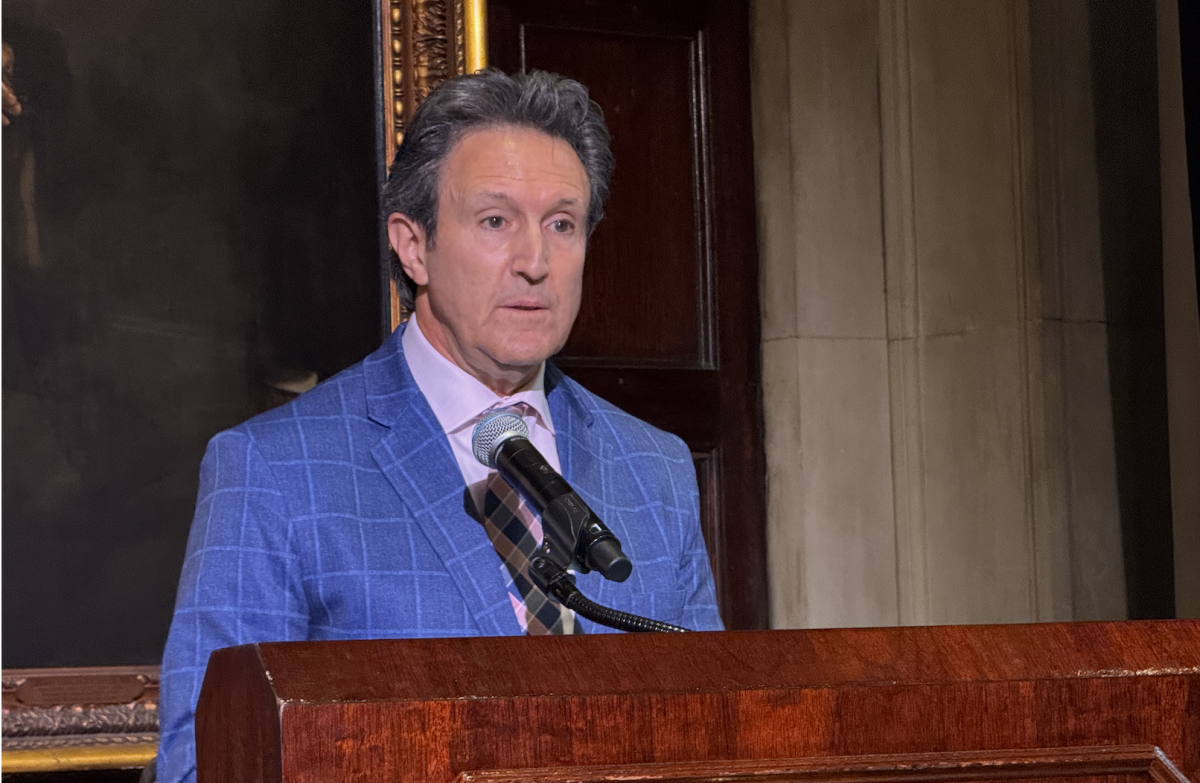
The head of the British American Tobacco South Africa, Johnny Moloto, expressed concern about the issue.
He pointed out that a study by Ipsos highlights the challenges faced by the new government in tackling illegal trade and cross-border illicit financial flows, with these illegal activities causing serious damage to the South African economy and tax revenue. In order to reverse this situation, authorities urgently need to prioritize tackling the illicit tobacco trade and ensure the conviction of criminal syndicate leaders. Additionally, the entry of new manufacturers has raised questions about the government's commitment to addressing illegal trade, and the government should conduct appropriate due diligence when issuing permits to avoid illicit activities within the industry.
Given the severity of the problem, it will require a collaborative effort from multiple agencies to achieve meaningful enforcement. British American Tobacco South Africa has called on the Finance Ministry to provide additional funding to the South African Revenue Service for tax investigations, and has urged the tax authority to intensify efforts to crack down on tax evaders in the illegal tobacco trade. Furthermore, one of the most effective ways to combat illegal tobacco trade is for the Finance Minister to introduce a minimum retail price, making selling tobacco below that price illegal. This would provide law enforcement agencies with a valuable tool for enforcement and prosecution, enabling them to effectively combat illegal trade. Finally, Johnny Moloto stated that British American Tobacco South Africa is calling for immediate legal audits of all tobacco factories nationwide, including their own, to ensure the industry operates legally and in compliance with regulations.
Johnny Moloto explained that the government loses approximately 24 billion rand (approximately 1.3 billion USD) in consumption tax revenue each year due to the illegal tobacco trade. The top priority for the new government is to stabilize finances, control escalating debt, and take decisive action to reverse the rapid growth of illegal tobacco trade since the ban on tobacco sales in 2020.
We welcome news tips, article submissions, interview requests, or comments on this piece.
Please contact us at info@2firsts.com, or reach out to Alan Zhao, CEO of 2Firsts, on LinkedIn
Notice
1. This article is intended solely for professional research purposes related to industry, technology, and policy. Any references to brands or products are made purely for objective description and do not constitute any form of endorsement, recommendation, or promotion by 2Firsts.
2. The use of nicotine-containing products — including, but not limited to, cigarettes, e-cigarettes, nicotine pouchand heated tobacco products — carries significant health risks. Users are responsible for complying with all applicable laws and regulations in their respective jurisdictions.
3. This article is not intended to serve as the basis for any investment decisions or financial advice. 2Firsts assumes no direct or indirect liability for any inaccuracies or errors in the content.
4. Access to this article is strictly prohibited for individuals below the legal age in their jurisdiction.
Copyright
This article is either an original work created by 2Firsts or a reproduction from third-party sources with proper attribution. All copyrights and usage rights belong to 2Firsts or the original content provider. Unauthorized reproduction, distribution, or any other form of unauthorized use by any individual or organization is strictly prohibited. Violators will be held legally accountable.
For copyright-related inquiries, please contact: info@2firsts.com
AI Assistance Disclaimer
This article may have been enhanced using AI tools to improve translation and editorial efficiency. However, due to technical limitations, inaccuracies may occur. Readers are encouraged to refer to the cited sources for the most accurate information.
We welcome any corrections or feedback. Please contact us at: info@2firsts.com