Spain Requires Tobacco Companies to Pay for Cigarette Butt Cleanup

Jan.16.2023
Spain Requires Tobacco Companies to Pay for Cigarette Butt Cleanup
New Spanish law requires tobacco companies to pay for cleaning cigarette butts, raise awareness for proper disposal, combating pollution.

Spain's new regulations require tobacco companies to pay for the cost of cleaning up cigarette butts discarded on the streets.


According to a report by The Guardian, manufacturers must also conduct educational activities to teach smokers how to properly dispose of leftover cigarettes, especially in public places.


The reason for implementing new measures is to combat environmental pollution. Cigarettes typically use filter tips made of non-biodegradable plastic fibers.


Every year, approximately 45 trillion cigarette butts are disposed of. In coastal and urban areas of Spain, cigarette filters make up around 40% of the waste.


Disclaimer

This article is provided solely for professional research, industry discussion, and informational purposes. Any references to brands, companies, products, technologies, or policies are made for factual reporting and analytical purposes only, and do not constitute endorsement, recommendation, promotion, or advertising by 2Firsts.

Nicotine-containing products, including but not limited to cigarettes, e-cigarettes, heated tobacco products, and nicotine pouches, carry significant health risks. Readers are responsible for complying with all applicable laws and regulations in their respective jurisdictions, including age restrictions and access limitations.

The information contained in this article should not be regarded as investment, legal, medical, regulatory, or commercial advice. While 2Firsts strives to ensure the accuracy and reliability of its content, it does not assume liability for any direct or indirect loss arising from errors, omissions, inaccuracies, or reliance on the information contained herein.

This article is not intended for individuals below the legal age for accessing tobacco or nicotine-related information in their jurisdiction.


Copyright Notice

This article is either original content produced by 2Firsts or content reproduced, translated, summarized, or adapted from third-party sources with attribution where applicable. The intellectual property rights of the original content remain with 2Firsts or the respective original rights holders.

No individual or organization may copy, reproduce, distribute, republish, modify, translate, or otherwise use this content without prior authorization. Any unauthorized use may result in legal action.

For copyright-related inquiries, corrections, or removal requests, please contact: info@2firsts.com.


AI-Assisted Translation and Editing Notice

Portions of this article may have been translated, edited, or reviewed with the assistance of artificial intelligence tools to improve efficiency and readability. Due to the limitations of AI-assisted translation and editing, discrepancies, omissions, or inaccuracies may exist when compared with the original source.

Where applicable, readers are advised to refer to the original source for the most complete and accurate information. If you identify any errors or believe that any content infringes upon your rights, please contact us at info@2firsts.com, and we will review and address the matter promptly.


AIR Shares Drop 18.6% in Nasdaq Debut, Testing Hookah’s Move Toward Public Markets
AIR Global’s Nasdaq debut under ticker AIIR ended with a 18.6% first-day decline, giving the global hookah industry a rare public-market reference point. Beyond one company’s share move, the listing raises a broader question: can a culturally rooted, fragmented and venue-based category evolve into a more scalable and investable consumer sector?
Special Report
May.19
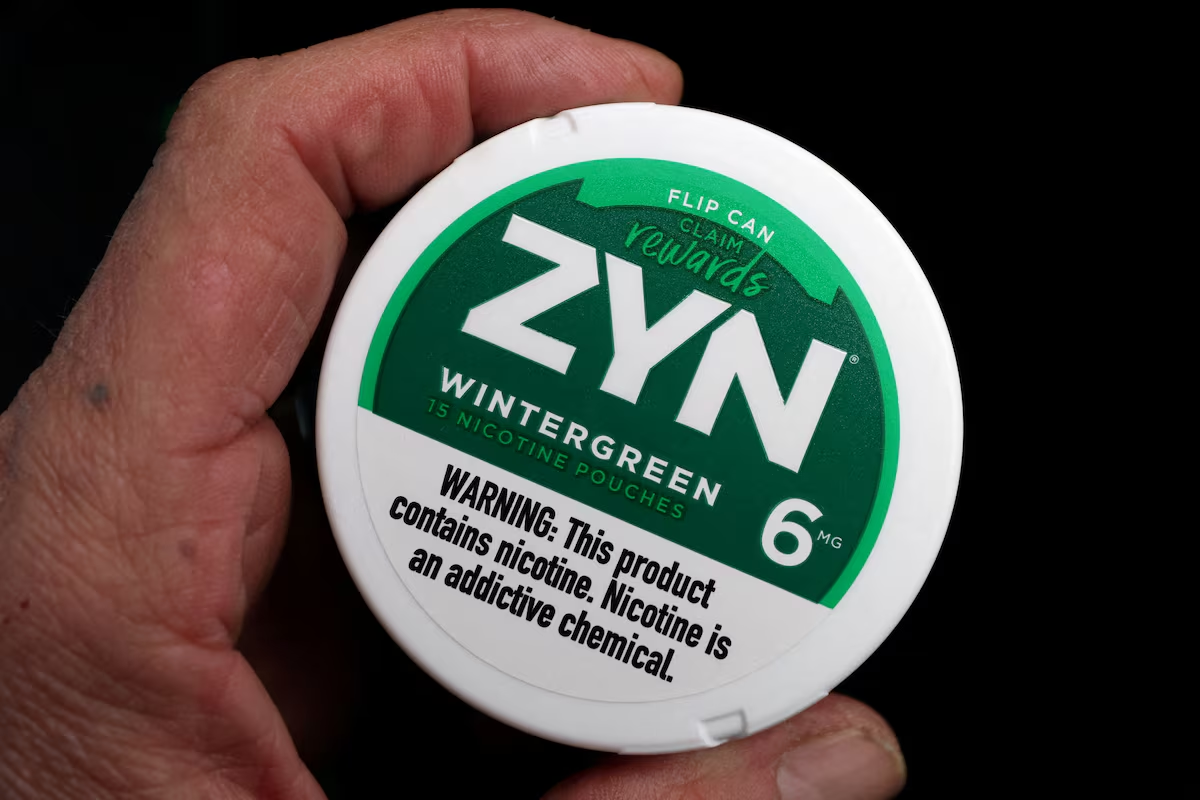
France Bans Zyn and Other Nicotine Pouches, Violators Face Jail and Fines
France has officially banned nicotine pouches and other oral nicotine products, including Zyn. The new regulation classifies such products as “toxic substances” and imposes criminal penalties on their use, possession, purchase, and sale. Violators may face up to five years in prison and fines of up to €400,000 (approximately $436,600).
Regulations
May.25
Australian State Targets Illegal Tobacco Retailers With Tougher Closure Powers
According to Reuters, Australia’s state of Victoria introduced legislation to give police and the state tobacco licensing regulator stronger powers to shut businesses selling illegal tobacco, with non-compliant operators facing fines of more than A$2.4 million and up to 20 years in prison.
Jun.05
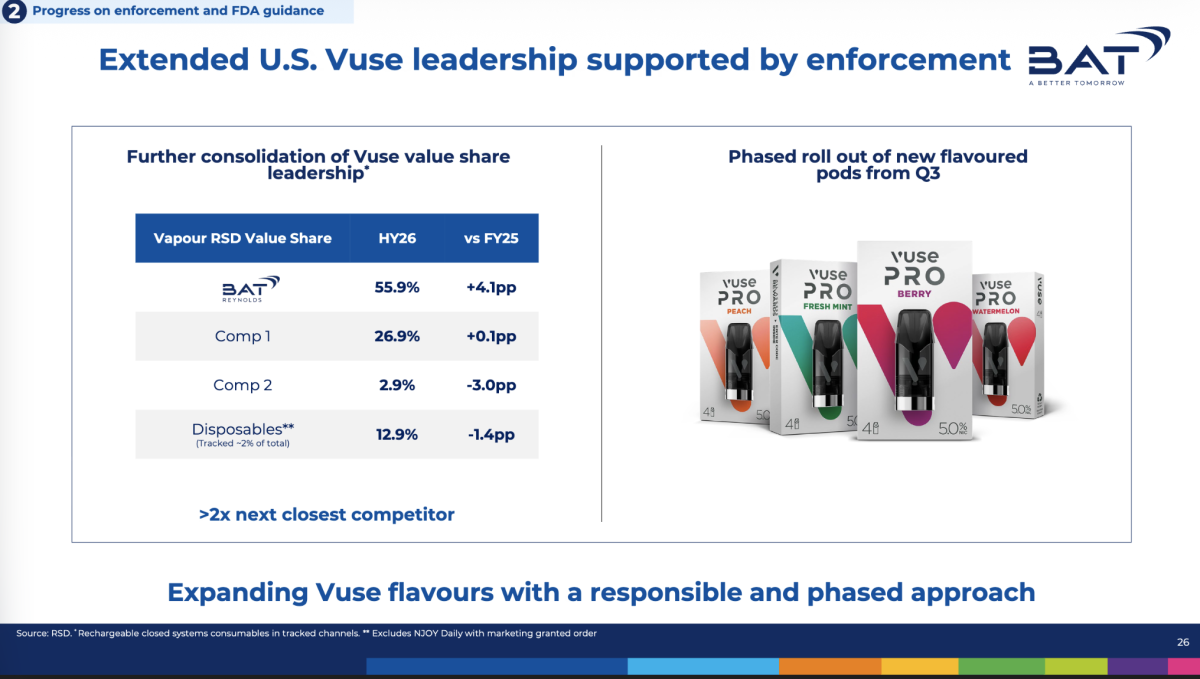
BAT Shares Surge Nearly 6% as FDA Policy Shift Eases Pressure on Vuse and Velo
British American Tobacco (BAT) shares rose sharply on May 12 after the U.S. Food and Drug Administration signaled it would deprioritize enforcement against certain unauthorized e-cigarette and nicotine pouch products with accepted premarket applications. Investors viewed the move as favoring established players such as BAT’s Vuse and Velo brands.
BAT
May.13
Oral Thin-Film Technology Firm CTT Pharma Eyes U.S. Nicotine Product Trials
CTT Pharmaceutical Holdings said it has signed a letter of intent with a U.S. company to conduct clinical trials and testing for several potential nicotine products using its patented oral thin-film technology.
Jun.18
Sesh touts independence, 8VC backing and retail reach as it challenges tobacco-owned pouch brands
U.S. nicotine pouch brand Sesh has emphasized its independence from Altria, Philip Morris International and British American Tobacco, along with backing from investors including 8VC, celebrity supporters and a retail footprint of more than 7,500 stores, as it seeks to differentiate itself in a market where major pouch brands are owned by large tobacco companies.
Regulations
Jul.07 by 2Firsts Perspectives