Successful Crackdown on Counterfeit Tobacco Network in Russia

Regulations by 2FIRSTS.ai
Jan.11.2024
Successful Crackdown on Counterfeit Tobacco Network in Russia
Law enforcement agencies in Chaltsekovsky and Milerovsky districts successfully combat a tobacco smuggling network, seizing over 500,000 counterfeit tobacco products.

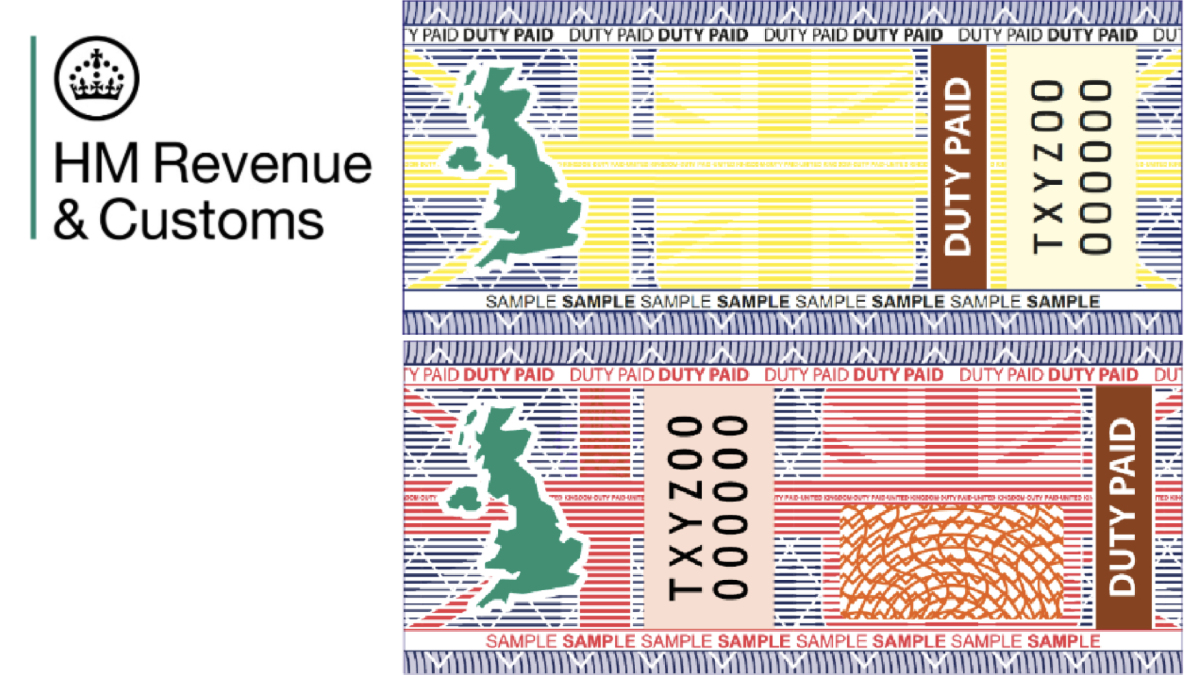
According to Russian media outlet Rostovgazeta, law enforcement agencies in the Chaltyrskiy and Milerovskiy districts have successfully dismantled a network involved in transporting counterfeit tobacco on the M-4 highway. In total, they attempted to import over 500,000 packs of cigarettes and other tobacco products into the region.


Law enforcement agencies have successfully identified the individuals involved in illegal supply and illicit activities, all of whom will face criminal charges. Furthermore, law enforcement officials are taking action to identify and hold accountable retailers involved in the sale of counterfeit goods.


A businessman from Rostov region has been sentenced to five years in prison for supplying counterfeit products to a nuclear power plant.


We welcome news tips, article submissions, interview requests, or comments on this piece.

Please contact us at info@2firsts.com, or reach out to Alan Zhao, CEO of 2Firsts, on LinkedIn


Notice

1.  This article is intended solely for professional research purposes related to industry, technology, and policy. Any references to brands or products are made purely for objective description and do not constitute any form of endorsement, recommendation, or promotion by 2Firsts.

2.  The use of nicotine-containing products — including, but not limited to, cigarettes, e-cigarettes, nicotine pouchand heated tobacco products — carries significant health risks. Users are responsible for complying with all applicable laws and regulations in their respective jurisdictions.

3.  This article is not intended to serve as the basis for any investment decisions or financial advice. 2Firsts assumes no direct or indirect liability for any inaccuracies or errors in the content.

4.  Access to this article is strictly prohibited for individuals below the legal age in their jurisdiction.


Copyright


This article is either an original work created by 2Firsts or a reproduction from third-party sources with proper attribution. All copyrights and usage rights belong to 2Firsts or the original content provider. Unauthorized reproduction, distribution, or any other form of unauthorized use by any individual or organization is strictly prohibited. Violators will be held legally accountable.

For copyright-related inquiries, please contact: info@2firsts.com


AI Assistance Disclaimer


This article may have been enhanced using AI tools to improve translation and editorial efficiency. However, due to technical limitations, inaccuracies may occur. Readers are encouraged to refer to the cited sources for the most accurate information.

We welcome any corrections or feedback. Please contact us at: info@2firsts.com

The Volume Illusion: Measuring the Future of Nicotine with the Tools of the Past
As next-generation nicotine products become economically central rather than marginal, traditional volume-based metrics are increasingly unable to explain consumption, risk, and value. Units designed for a cigarette-based economy struggle to describe systems defined by delivery speed, pharmacokinetics, and adaptive user behavior. Drawing on financial reporting, regulation, and nicotine science, a fundamental question: can the future of nicotine still be measured using the tools of its past?
Feb.09 by Alan Zhao | 2Firsts Perspectives
Mexico’s ENCODAT 2025 finds smoking rate falls as vaping rises
Results from Mexico’s ENCODAT 2025 indicate a structural shift in tobacco and nicotine use: past-month combustible tobacco use among the general population (ages 12–65) declined to 15.1%, down from 17.6% in 2016, while past-month e-cigarette use increased to 2.6%, up from 1.1%.
Dec.25 by 2FIRSTS.ai
Cambodia: Phnom Penh authorities seize 2,000+ vape devices and arrest two alleged distributors
Kiripost reports that authorities seized more than 2,000 electronic smoking devices and arrested two alleged distributors in Phnom Penh’s Toul Kork district, prompting health advocates to warn that inconsistent enforcement is undermining Cambodia’s crackdown on illegal e-cigarettes and shisha.
Jan.13 by 2FIRSTS.ai
BlackRock Enters Top Shareholder Ranks as KT&G Holding Reaches 5.01%
BlackRock increased its stake in KT&G to 5.01% after purchasing 68,646 shares, bringing total holdings to 5,914,169 shares and triggering Korea’s large-shareholding disclosure rules. KT&G shares climbed to an all-time intraday high of 153,900(about US$106.19) won and closed at a record 152,900(about US$105.50) won. KT&G is set to report earnings on Feb. 5, with consensus pointing to year-on-year growth in revenue and operating profit.
Jan.30 by 2FIRSTS.ai
Consultation opens for Tasmania’s Public Health Amendment Bill 2026
Consultation opened on February 6, 2026 for the Public Health Amendment (Prohibited Tobacco and Other Products) Bill 2026. The Bill intends to address illicit trade in tobacco, nicotine pouches and e-cigarettes, which has increased significantly across Tasmania in recent years. It proposes changes to the Public Health Act 1997 to further protect the health of Tasmanians by reducing the sale and supply of illicit tobacco, vaping and other products, and to strengthen existing tobacco control laws.
Feb.06 by 2FIRSTS.ai
Dalton, Georgia considers new licensing rules and caps for vape shops
Dalton, Georgia is weighing a proposal to require city licenses for vape shops, limit how many can operate within city limits, and impose a 1,000-foot buffer for new shops from schools and other community facilities. City officials say the ordinance would not eliminate existing vape shops outright, though some may be impacted if ownership changes or licenses expire.
Feb.05 by 2FIRSTS.ai