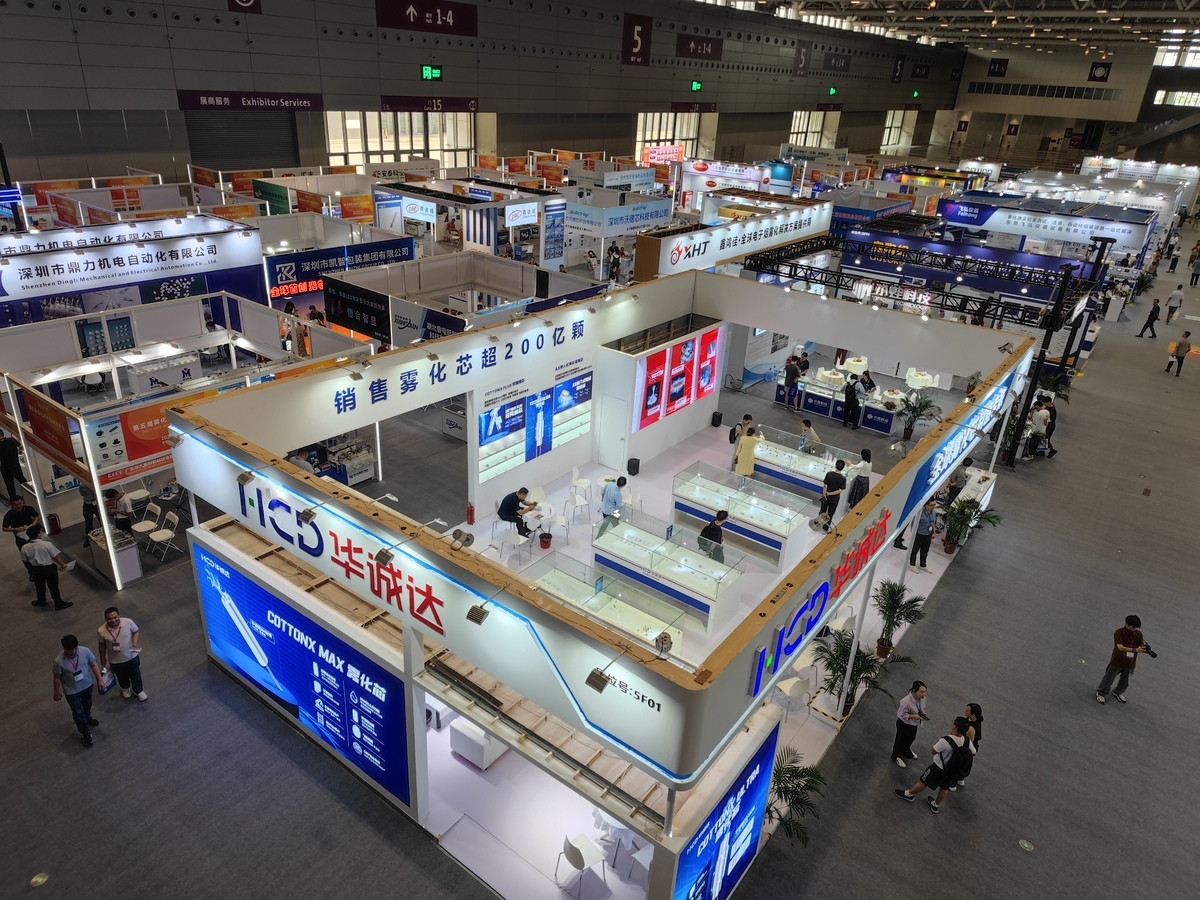
On August 29th, at the Fifth Aerosol Industry Chain Exhibition, 2FIRSTS had discussions with several e-cigarette battery suppliers to better understand the current situation of the industry.
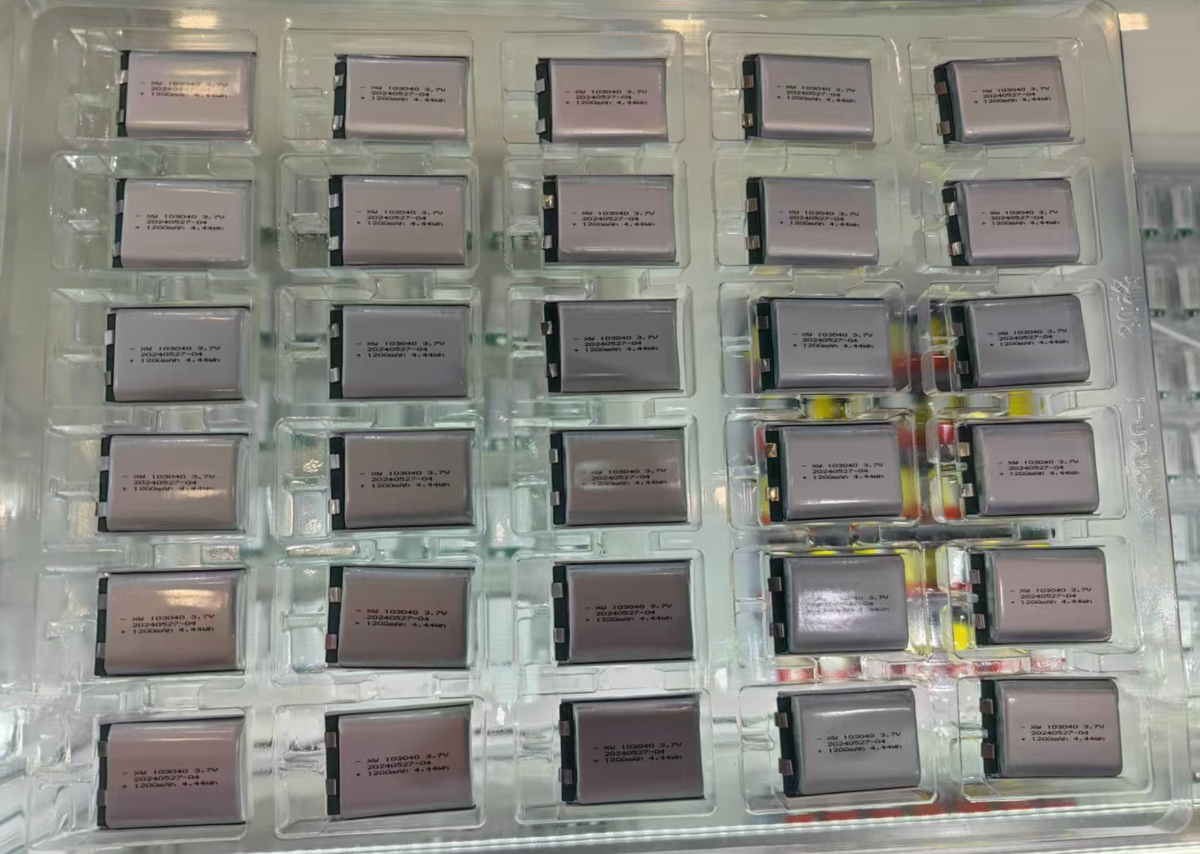
A company with over twenty years of experience in the battery industry told 2FIRSTS that despite intensifying competition in the industry, there is still a certain profit margin in the e-cigarette business, allowing the company to continue investing resources in industry layout and technological research.
At the exhibition site, the company's exhibition booth was filled with soft pack batteries and cylindrical batteries of different specifications. The company's relevant person in charge stated that although the cost of soft pack batteries is slightly higher than cylindrical batteries, their design is more suitable for the current popular screen e-cigarette, so the demand for them is showing continuous growth.
Faced with the recent changes in the e-cigarette industry, the person in charge described it as a "booming and volatile industry." The demand for e-cigarette batteries is like a "roller-coaster," and with intensifying competition in the supply chain, the future profit margins may be further squeezed.
Meanwhile, the company is considering expanding into other industries to adapt to market changes and challenges. However, he believes that the battery industry still has plenty of room for growth, with e-cigarette applications being just one branch of it.
Another battery company participating in the exhibition for the first time told 2FIRSTS that, despite having established partnerships with leading companies in the industry, the battery industry is currently facing fierce market competition and challenges of shrinking profit margins. As a strategic move, the company is looking into e-cigarette batteries as a new avenue for business development, while still keeping a focus on the small power battery sector.
Therefore, the company did not showcase soft-pack battery products at the exhibition, with the most important consideration being the financial cost of introducing a production line. According to him, the cost of introducing a battery production line now ranges from 10 to 20 million, which makes the company more cautious in its product strategy.
2Firsts noticed that compared to last year's exhibition, there has been a decrease in the number of battery manufacturers participating this year. With intensifying market competition, many battery companies have stated that they are focusing on cost control and product innovation to address the challenges of the industry's future.
We welcome news tips, article submissions, interview requests, or comments on this piece.
Please contact us at info@2firsts.com, or reach out to Alan Zhao, CEO of 2Firsts, on LinkedIn
Notice
1. This article is intended solely for professional research purposes related to industry, technology, and policy. Any references to brands or products are made purely for objective description and do not constitute any form of endorsement, recommendation, or promotion by 2Firsts.
2. The use of nicotine-containing products — including, but not limited to, cigarettes, e-cigarettes, nicotine pouchand heated tobacco products — carries significant health risks. Users are responsible for complying with all applicable laws and regulations in their respective jurisdictions.
3. This article is not intended to serve as the basis for any investment decisions or financial advice. 2Firsts assumes no direct or indirect liability for any inaccuracies or errors in the content.
4. Access to this article is strictly prohibited for individuals below the legal age in their jurisdiction.
Copyright
This article is either an original work created by 2Firsts or a reproduction from third-party sources with proper attribution. All copyrights and usage rights belong to 2Firsts or the original content provider. Unauthorized reproduction, distribution, or any other form of unauthorized use by any individual or organization is strictly prohibited. Violators will be held legally accountable.
For copyright-related inquiries, please contact: info@2firsts.com
AI Assistance Disclaimer
This article may have been enhanced using AI tools to improve translation and editorial efficiency. However, due to technical limitations, inaccuracies may occur. Readers are encouraged to refer to the cited sources for the most accurate information.
We welcome any corrections or feedback. Please contact us at: info@2firsts.com