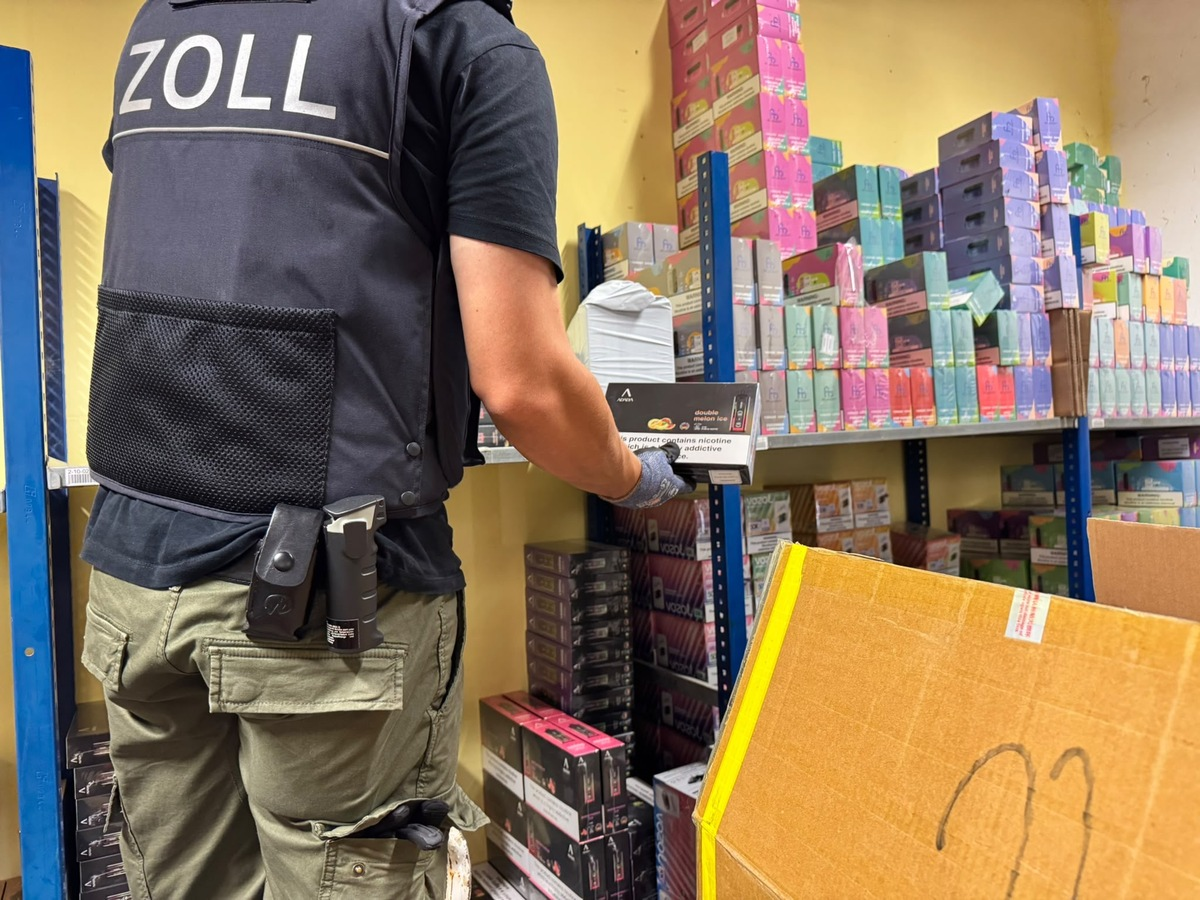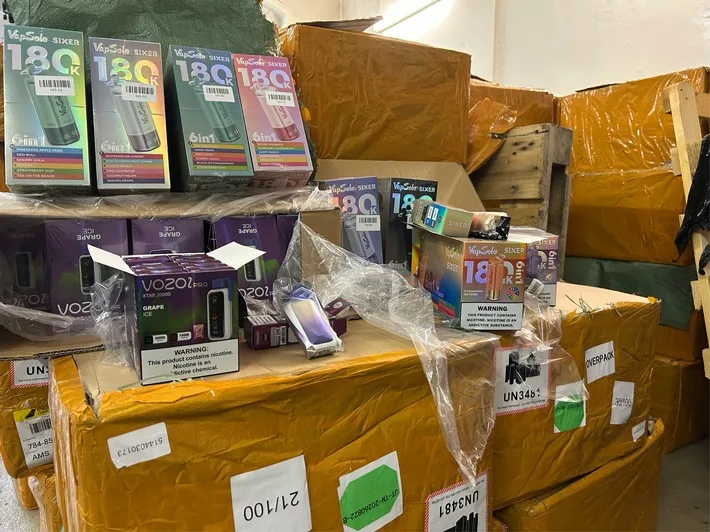
The Therapeutic Goods Administration (TGA) in Australia had issued 38 infringement notices and imposed fines totalling AUD 588,840 against four importers of e-cigarettes for violating regulations.
The TGA laboratory has found prohibited substances in disposable e-cigarette samples from the brands IGET, GUNNPOD, and HQD, as per the therapeutic goods order for nicotine e-cigarette products (TGO 110) for 2021.
In response to the incident, 2FIRSTS promptly conducted an email interview with TGA. On June 21st, TGA Spokesperson replied to 2FIRSTS via email. TGA stated in their response that the disposable e-cigarette products IGET Bar, IGET Legend, GUNNPOD, and HQD were found to contain three prohibited ingredients: benzaldehyde, cinnamaldehyde, and ethylene glycol. According to a search on the TGA official website, (Standard for Nicotine Vaping Products) (TGO 110) Order 2021 specifies the three ingredients are prohibited in e-cigarette products.
The following response is from a spokesperson for the Australian Therapeutic Goods Administration.
Please attribute the following response to a spokesperson the Therapeutic Goods Administration.
1.Is it possible to announce the prohibited ingredients contained in IGET, GUNPOD and HQD branded vapes referenced in the media release?
Testing conducted by Therapeutic Goods Administration (TGA) Laboratories identified the IGET Bar and IGET Legend disposable pod devices contained benzaldehyde, cinnamaldehyde and ethylene glycol; Gunnpod disposable pod devices were found to contain benzaldehyde and ethylene glycol; and HQD disposable pod devices were found to contain benzaldehyde, cinnamaldehyde and ethylene glycol.
2.Will there be other punishments for the enterprises named, such as arrests? Will the enterprises that produce and manufacture these products also be punished?
Infringement notices are one of the compliance tools the TGA can use when we believe that a requirement of the Therapeutic Goods Act 1989 has been breached. If an entity does not pay the infringement notice, the TGA may take further action such as formal court action.
The Therapeutic Goods Act 1989 regulates the import, export, supply, manufacture and supply of therapeutic goods within Australia. As the products subject to the infringement notices are manufactured outside of Australia, the manufacturers are not subject to Australian laws.
3.Will TGA strengthen supervision in the future?
On 2 May 2023, the Minister for Health and Aged Care announced that the Australian Government is taking strong action to combat the supply of unlawful vaping products. The TGA is working closely with state and territory governments and the Australian Border Force to introduce a comprehensive range of reforms, including:
- stopping the import of non-prescription vapes;
- increasing the minimum quality standards for vapes including by restricting flavours, colours, and other ingredients;
- requiring pharmaceutical-like packaging;
- reducing nicotine concentrations and volumes;
- banning all single use disposable vapes; and
- ending vape sales in convenience stores and other retail settings.
Note: The previously mentioned "GUNPOD" should be corrected to "GUNNPOD," as stated by TGA in their email reply.
Reference(s):
Disclaimer
This article is provided solely for professional research, industry discussion, and informational purposes. Any references to brands, companies, products, technologies, or policies are made for factual reporting and analytical purposes only, and do not constitute endorsement, recommendation, promotion, or advertising by 2Firsts.
Nicotine-containing products, including but not limited to cigarettes, e-cigarettes, heated tobacco products, and nicotine pouches, carry significant health risks. Readers are responsible for complying with all applicable laws and regulations in their respective jurisdictions, including age restrictions and access limitations.
The information contained in this article should not be regarded as investment, legal, medical, regulatory, or commercial advice. While 2Firsts strives to ensure the accuracy and reliability of its content, it does not assume liability for any direct or indirect loss arising from errors, omissions, inaccuracies, or reliance on the information contained herein.
This article is not intended for individuals below the legal age for accessing tobacco or nicotine-related information in their jurisdiction.
Copyright Notice
This article is either original content produced by 2Firsts or content reproduced, translated, summarized, or adapted from third-party sources with attribution where applicable. The intellectual property rights of the original content remain with 2Firsts or the respective original rights holders.
No individual or organization may copy, reproduce, distribute, republish, modify, translate, or otherwise use this content without prior authorization. Any unauthorized use may result in legal action.
For copyright-related inquiries, corrections, or removal requests, please contact: info@2firsts.com.
AI-Assisted Translation and Editing Notice
Portions of this article may have been translated, edited, or reviewed with the assistance of artificial intelligence tools to improve efficiency and readability. Due to the limitations of AI-assisted translation and editing, discrepancies, omissions, or inaccuracies may exist when compared with the original source.
Where applicable, readers are advised to refer to the original source for the most complete and accurate information. If you identify any errors or believe that any content infringes upon your rights, please contact us at info@2firsts.com, and we will review and address the matter promptly.