Thai Authorities Authorize Teachers to Confiscate E-Cigarettes in Schools

Jun.17.2024
Thai Authorities Authorize Teachers to Confiscate E-Cigarettes in Schools
Thai education and commerce ministries empower teachers nationwide to confiscate e-cigarettes and e-liquid in classrooms to protect students' health.

According to a report from CTN News on June 17th, the Thai Ministry of Education and the Ministry of Commerce have joined forces to authorize all teachers in the country to confiscate e-cigarettes and e-liquids in classrooms. This measure grants national teachers, education staff, and school leaders the power to confiscate any e-cigarettes and e-liquids found in schools that violate Article 17 of the Customs Act (1979).


Minister of Education Thee Pawangkanan has stated that children are still bringing e-cigarettes to school, and he believes that the act of smoking e-cigarettes is harmful to their health, intelligence, and emotional development.


Despite close cooperation between the Ministry of Education and the police in prevention and monitoring efforts, such as conducting surprise inspections of e-cigarette shops near schools, the issue still cannot be effectively resolved. Teachers are unable to confiscate e-cigarettes from students or parents, so they need to seek assistance from the police.


Therefore, the Ministry of Education and the Ministry of Commerce have now authorized teachers, educational personnel, and school principals nationwide to confiscate e-cigarettes found in schools that violate Article 17 of the Customs Law of the People's Republic of China (1979).


Parwankanan stated that this measure is a proactive suppression action against the e-cigarette problem within the school, and will not increase the workload of teachers who are already taking care to protect children. Prior to this, Bangkok Mayor Chadchart Sittipunt had given clear instructions to declare all schools operated by the Bangkok Metropolitan Administration as e-cigarette free zones. He authorized the schools to inspect students' belongings, confiscate e-cigarettes, and have professionals educate them on the health risks and safety precautions associated with smoking products.


Despite the growing global trend of using e-cigarettes, Thailand firmly opposes this behavior. The government has banned the import, sale, and possession of e-cigarettes and e-liquids, with violators facing severe penalties. Many tourists are unaware of this law, and if caught, they could face hefty fines or even imprisonment.


Critics argue that this regulation is overly harsh and not in line with the more flexible approaches taken by other countries.


We welcome news tips, article submissions, interview requests, or comments on this piece.

Please contact us at info@2firsts.com, or reach out to Alan Zhao, CEO of 2Firsts, on LinkedIn


Notice

1.  This article is intended solely for professional research purposes related to industry, technology, and policy. Any references to brands or products are made purely for objective description and do not constitute any form of endorsement, recommendation, or promotion by 2Firsts.

2.  The use of nicotine-containing products — including, but not limited to, cigarettes, e-cigarettes, nicotine pouchand heated tobacco products — carries significant health risks. Users are responsible for complying with all applicable laws and regulations in their respective jurisdictions.

3.  This article is not intended to serve as the basis for any investment decisions or financial advice. 2Firsts assumes no direct or indirect liability for any inaccuracies or errors in the content.

4.  Access to this article is strictly prohibited for individuals below the legal age in their jurisdiction.


Copyright


This article is either an original work created by 2Firsts or a reproduction from third-party sources with proper attribution. All copyrights and usage rights belong to 2Firsts or the original content provider. Unauthorized reproduction, distribution, or any other form of unauthorized use by any individual or organization is strictly prohibited. Violators will be held legally accountable.

For copyright-related inquiries, please contact: info@2firsts.com


AI Assistance Disclaimer


This article may have been enhanced using AI tools to improve translation and editorial efficiency. However, due to technical limitations, inaccuracies may occur. Readers are encouraged to refer to the cited sources for the most accurate information.

We welcome any corrections or feedback. Please contact us at: info@2firsts.com

InterTabac 2026: First conference program highlights now available online
With three months to go before the international tobacco and nicotine industry gathers again in Dortmund, InterTabac, together with NUBIZ and InterSupply, is set to bring around 800 exhibitors from across the globe to eleven exhibition halls. The three events will showcase innovation, market trends and industry networking, while the first conference program highlights are now online, offering trade visitors keynotes, panel discussions and masterclasses to support business decision-making.
Events
Jun.22
Virginia Tightens Vape and Tobacco Retail Enforcement, With Fines Up to $15,000 Per Unlisted Product
A new Virginia law that took effect on July 1, 2026, requires retailers to obtain permits to sell liquid nicotine, vape and tobacco products, while directing Virginia ABC to conduct inspections and verify that stores sell only products listed in the state directory.
Jul.20
BofA Upgrades Imperial Brands, Says Market Overreacted to Australia Slump
Bank of America upgraded Imperial Brands to “buy” from “neutral,” saying investors have overreacted to the tobacco group’s Australian business downturn and that the share-price pullback has created a more attractive entry point.
Jul.16
Japan’s Heated Tobacco Tax Reform Drives Price Increase as JT Raises All Ploom Sticks by ¥40
Japan Tobacco Inc. (JT) has applied to Japan’s finance minister for approval to revise retail prices of its Ploom heated tobacco sticks following planned changes to the heated tobacco tax system from October 1, 2026. If approved, all 31 Ploom stick products will increase by ¥40. After the adjustment, EVO products will cost ¥620 per 20-stick pack, MEVIUS products ¥590 and CAMEL products ¥570. JT said the price revision is intended to respond to tax changes while maintaining product quality and brand value. The tax reform is expected to narrow the tax gap between combustible cigarettes and heated tobacco products, potentially reshaping pricing strategies in Japan’s heated tobacco market.
Jul.22
JT’s Ploom Volumes Rise 43.5% as Cigarettes Anchor Its Transition
JT’s Ploom heated-tobacco volumes rose 43.5% in the first half of 2026, while combustibles still represented about 97% of its tobacco volume and remained the main earnings base. In Japan, reduced-risk products now account for 48.7% of industry shipments, shifting competition from category adoption towards brand share, pricing and consumer retention. JT’s results offer a revealing case of a traditional tobacco company pursuing a prolonged, dual-track transformation.
JTI
Jul.30
JAMA Issues First U.S. Clinical Guidance on Vaping for Smoking Cessation, Urging Complete Switch From Cigarettes
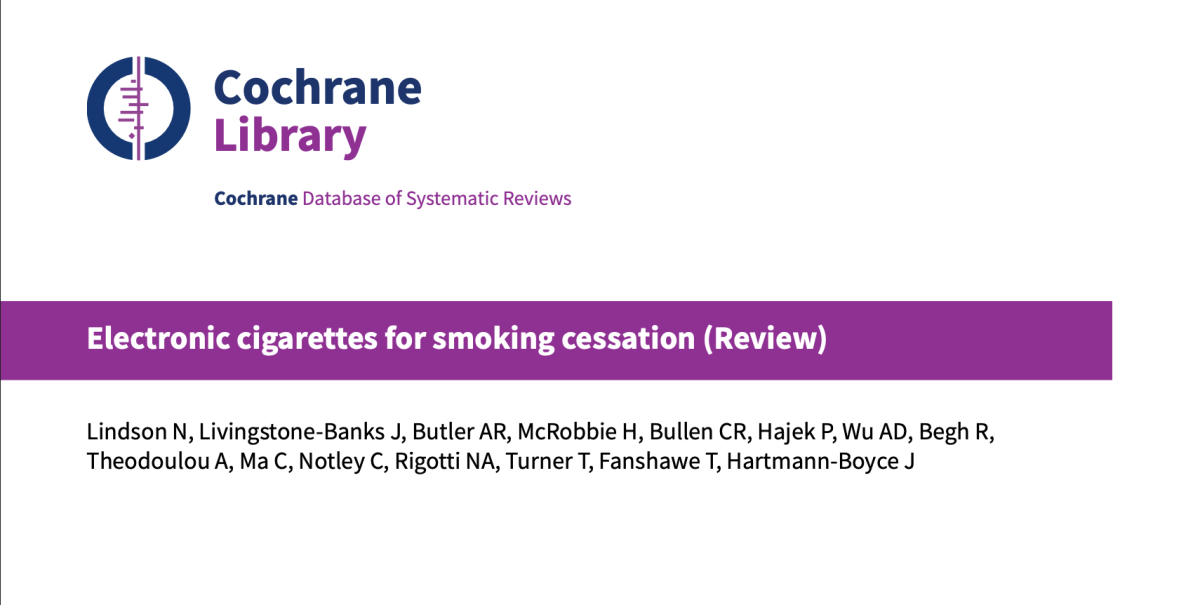
JAMA has published a Special Communication offering systematic recommendations for U.S.-based clinicians on the use of nicotine e-cigarettes in adult smoking cessation. Developed by the Harm Reduction Workgroup of the Society for Research on Nicotine and Tobacco’s Treatment Research Network, the paper recommends including e-cigarettes alongside FDA-approved cessation medications in risk-benefit discussions. It cites high-certainty evidence that nicotine e-cigarettes achieve higher quit rates than nicotine replacement therapy and evidence suggesting efficacy comparable to highly effective medications such as varenicline and cytisine. For adults who choose vaping to quit, the authors recommend FDA-authorized products, sufficient nicotine delivery and a rapid, complete transition away from cigarettes rather than prolonged dual use.
Aug.13