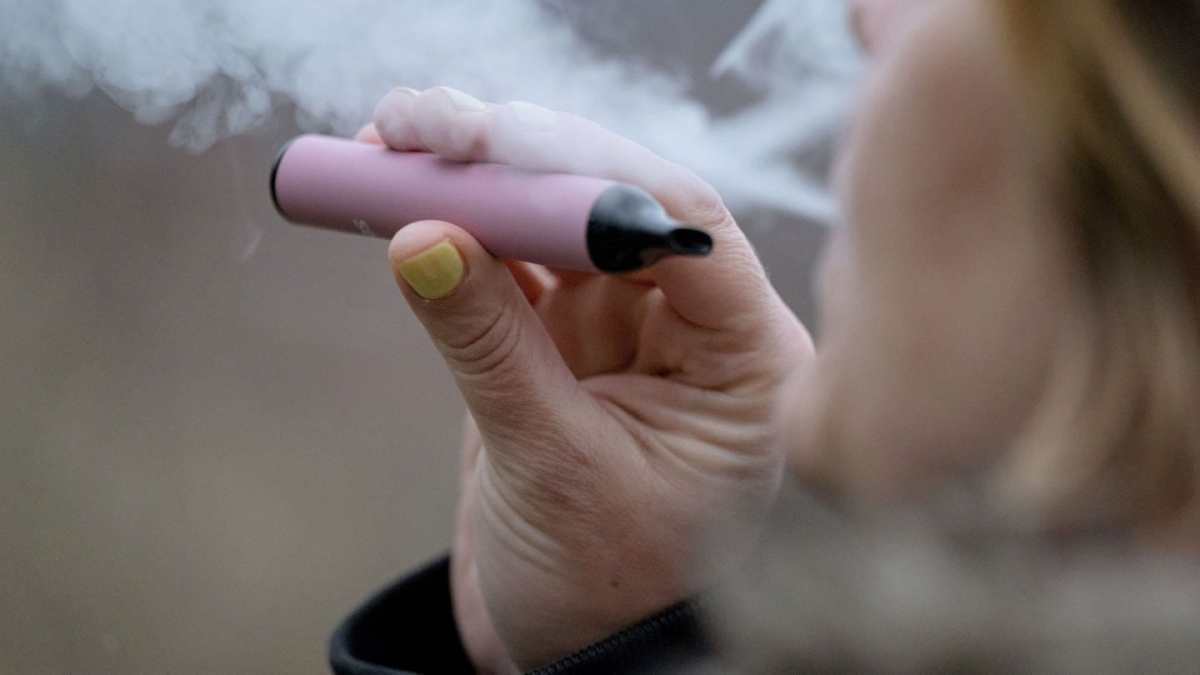
Improper handling of lithium batteries can easily cause fires, and disposable e-cigarettes frequently end up in household waste, leading to large fires erupting every day in garbage trucks and recycling facilities. According to a report by German media SWR.de on August 6, 2024, the Department of Environmental Protection in Baden-Württemberg is actively taking measures to address the issue.
The government of Baden-Württemberg is calling for a nationwide ban on the use of disposable e-cigarettes. According to the Ministry of the Environment, these e-cigarettes contain lithium-ion batteries, which are often improperly disposed of and could potentially cause fires in trash cans, garbage trucks, or disposal facilities.
In addition, the states of Baden-Württemberg and North Rhine-Westphalia have jointly submitted an application to the federal government to ban disposable e-cigarettes and consider implementing a deposit system for lithium and rechargeable batteries. The two state governments have long been advocating for consumers to better understand how to properly handle batteries and rechargeable batteries. Last year, a factory in Oberderdingen, Karlsruhe County, caught fire, causing millions of euros in damage. Similarly, fires caused by e-cigarettes are occurring frequently.
According to data from the German Waste Management Association, there are 30 fires every day nationwide in recycling facilities and garbage trucks, caused by improperly handled lithium-ion batteries and rechargeable batteries. This situation is relatively unknown to the public, and the Ministry of Environmental Protection has expressed concerns about it.
The Health Department of Baden-Württemberg has repeatedly called for a ban on disposable e-cigarettes and e-cigarettes. Health Minister Manfred Lucha believes that cheap disposable products lower the threshold for teenage smoking, leading to serious issues.
We welcome news tips, article submissions, interview requests, or comments on this piece.
Please contact us at info@2firsts.com, or reach out to Alan Zhao, CEO of 2Firsts, on LinkedIn
Notice
1. This article is intended solely for professional research purposes related to industry, technology, and policy. Any references to brands or products are made purely for objective description and do not constitute any form of endorsement, recommendation, or promotion by 2Firsts.
2. The use of nicotine-containing products — including, but not limited to, cigarettes, e-cigarettes, nicotine pouchand heated tobacco products — carries significant health risks. Users are responsible for complying with all applicable laws and regulations in their respective jurisdictions.
3. This article is not intended to serve as the basis for any investment decisions or financial advice. 2Firsts assumes no direct or indirect liability for any inaccuracies or errors in the content.
4. Access to this article is strictly prohibited for individuals below the legal age in their jurisdiction.
Copyright
This article is either an original work created by 2Firsts or a reproduction from third-party sources with proper attribution. All copyrights and usage rights belong to 2Firsts or the original content provider. Unauthorized reproduction, distribution, or any other form of unauthorized use by any individual or organization is strictly prohibited. Violators will be held legally accountable.
For copyright-related inquiries, please contact: info@2firsts.com
AI Assistance Disclaimer
This article may have been enhanced using AI tools to improve translation and editorial efficiency. However, due to technical limitations, inaccuracies may occur. Readers are encouraged to refer to the cited sources for the most accurate information.
We welcome any corrections or feedback. Please contact us at: info@2firsts.com