E-cigarette Market: Paraguay's Role as a Transshipment Hub

Market by 2FIRSTS.ai
Nov.17.2023
E-cigarette Market: Paraguay's Role as a Transshipment Hub
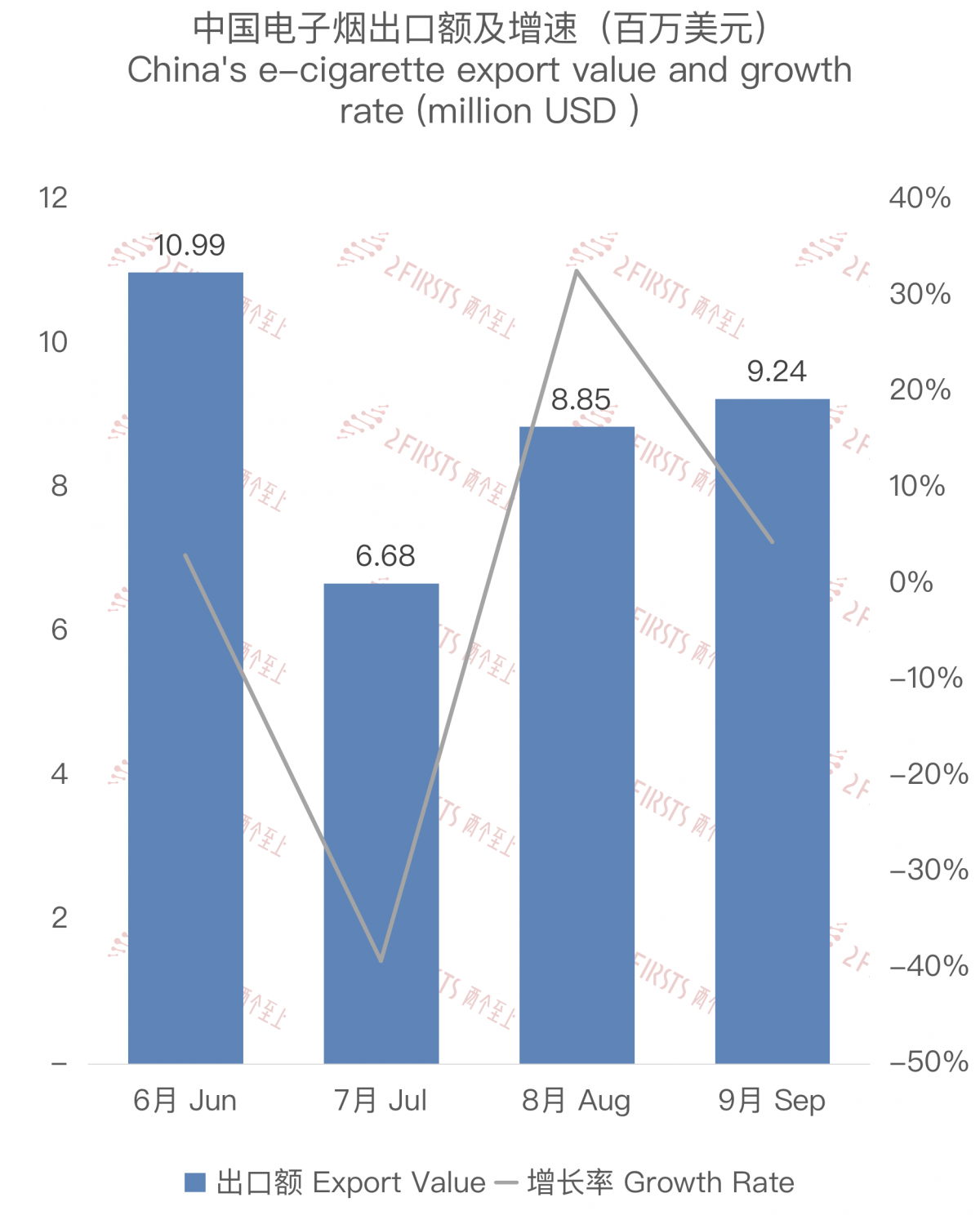
China's e-cigarette exports to Paraguay in September 2023 reached a total value of $9.24 million, with 175 tons exported.

In September 2023, China exported e-cigarettes to Paraguay with a total value of 9.24 million US dollars, corresponding to an export volume of 175 tons.
E-cigarette Market: Paraguay's Role as a Transshipment Hub
In September, China's total exports of e-cigarettes to Paraguay reached a value of USD 9.24 million. | Image source: 2FIRSTS.


However, Paraguay has a population of only 6.78 million. In comparison to Belgium, with a population over 11 million, Paraguay's imports exceed approximately $1 million, while Belgium's imports amount to only $8.26 million.

E-cigarette Market: Paraguay's Role as a Transshipment Hub
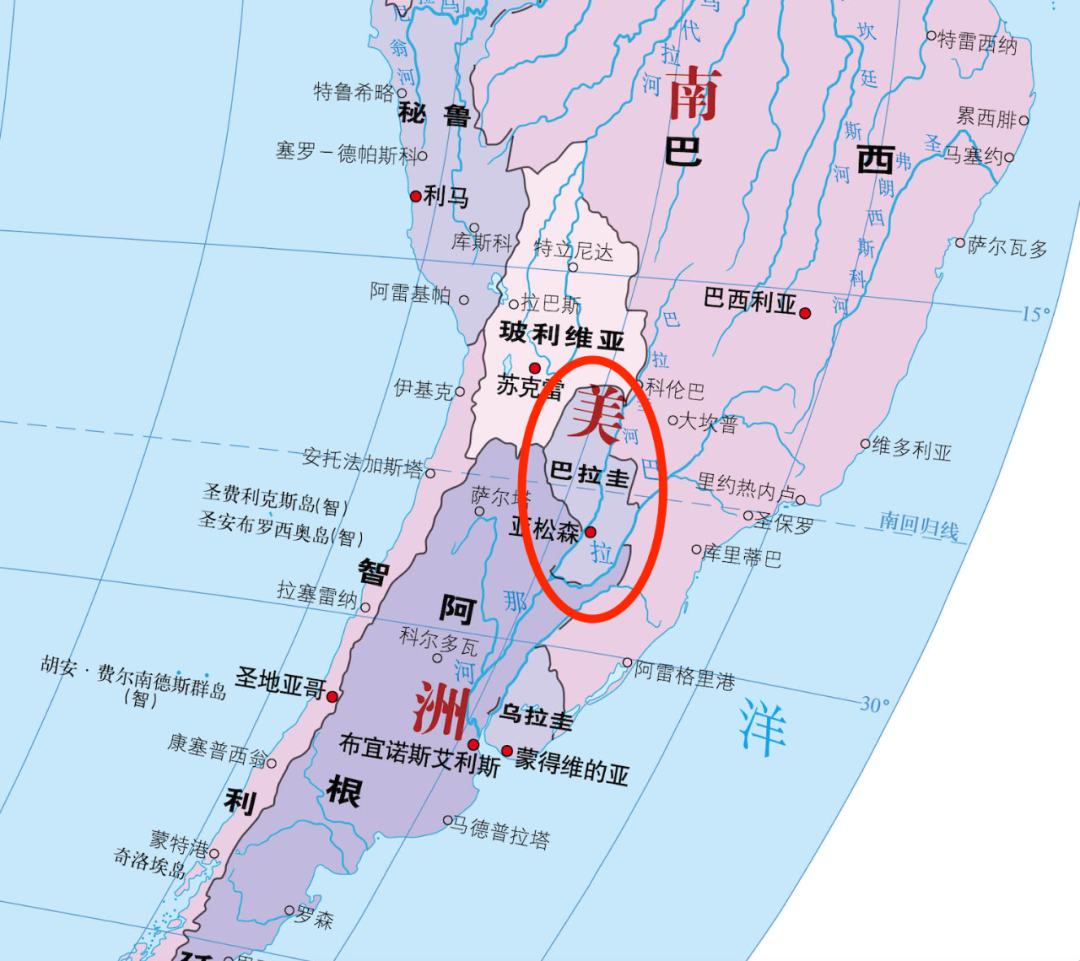
Location of Paraguay | Image source: Internet


It is worth noting that not all e-cigarettes exported to Belgium are sold in that market. Belgium serves as a key distribution hub for e-cigarettes in the European region, with imports of e-cigarettes covering important markets such as Germany and France. This suggests that Paraguay, with a smaller population but higher import value, may also serve as a transit point for e-cigarettes.


It is understood that Paraguay is one of the few countries in South America that does not have a ban on the sale of e-cigarettes, while neighboring Brazil is a large country with a population of 215 million and a booming e-cigarette market. However, due to restrictions on the sales of e-cigarettes, the country only imported e-cigarettes from China worth $4.21 million in September.


According to logistics providers, the Brazilian e-cigarette market is substantial but is hampered by sales restrictions, leading to cumbersome customs procedures. Typically, logistics providers tend to transport goods to neighboring country Paraguay before resorting to smuggling methods to enter the Brazilian market.


Meanwhile, reports in Paraguay and Brazil's media have highlighted cases involving the smuggling of e-cigarettes from Paraguay to Brazil.


Logistical firms reveal that in the South American market, e-cigarettes destined for Brazil are selectively routed through Paraguay.


We welcome news tips, article submissions, interview requests, or comments on this piece.

Please contact us at info@2firsts.com, or reach out to Alan Zhao, CEO of 2Firsts, on LinkedIn


Notice

1.  This article is intended solely for professional research purposes related to industry, technology, and policy. Any references to brands or products are made purely for objective description and do not constitute any form of endorsement, recommendation, or promotion by 2Firsts.

2.  The use of nicotine-containing products — including, but not limited to, cigarettes, e-cigarettes, nicotine pouchand heated tobacco products — carries significant health risks. Users are responsible for complying with all applicable laws and regulations in their respective jurisdictions.

3.  This article is not intended to serve as the basis for any investment decisions or financial advice. 2Firsts assumes no direct or indirect liability for any inaccuracies or errors in the content.

4.  Access to this article is strictly prohibited for individuals below the legal age in their jurisdiction.


Copyright


This article is either an original work created by 2Firsts or a reproduction from third-party sources with proper attribution. All copyrights and usage rights belong to 2Firsts or the original content provider. Unauthorized reproduction, distribution, or any other form of unauthorized use by any individual or organization is strictly prohibited. Violators will be held legally accountable.

For copyright-related inquiries, please contact: info@2firsts.com


AI Assistance Disclaimer


This article may have been enhanced using AI tools to improve translation and editorial efficiency. However, due to technical limitations, inaccuracies may occur. Readers are encouraged to refer to the cited sources for the most accurate information.

We welcome any corrections or feedback. Please contact us at: info@2firsts.com

FIFA Bans Vaping in 2026 World Cup Stadiums, Putting Nicotine Rules in Event Compliance Focus
FIFA’s 2026 World Cup stadium rules prohibit smoking, vaping and the use of any tobacco products or electronic smoking devices inside stadiums, including inner and outer perimeters, while electronic smoking devices, tobacco products, lighters and matches are listed as prohibited items, bringing nicotine-product management, venue compliance and cross-border legal differences into focus at a major global sporting event.
Jul.06
South Korea Brings Synthetic-Nicotine E-Cigarettes Under Tobacco Rules From June 24, Targeting Online Sales and Evasion
South Korea began full enforcement of tobacco-style rules for synthetic-nicotine e-cigarettes on June 24, 2026, with fines of up to 100,000 won for use in non-smoking areas and enforcement focus on online sales, raw nicotine liquids and products falsely marketed as nicotine-free.
MarketNews
Jun.25 by 2Firsts Perspectives
2FIRSTS EXCLUSIVE|China Breaks Up $6.8 Million Illegal Hookah Tobacco Operation as Market Expands
Chinese authorities have dismantled an illegal hookah tobacco operation worth more than 46 million yuan ($6.8 million), detaining five foreign suspects and seizing over 500,000 boxes of tobacco paste. The case comes as hookah expands across China’s nightlife sector and attracts overseas operators, including former vaping entrepreneurs. It also raises a central regulatory question: whether waterpipe tobacco will follow China’s private-sector e-cigarette licensing model or be reserved for the state tobacco system, as with nicotine pouches, in the years ahead.
Jul.31
South Korea Vape Strategies Diverge as BAT Reconsiders Exit and PMI Takes VEEV to About 14,000 Stores
BAT Rothmans says it previously considered exiting South Korea's vaping market because of competitive pressure from unregulated products, but is now reassessing conditions following changes to the country's nicotine regulatory framework. Vuse and other BAT vaping products remain available through existing distribution channels. The statement followed a South Korean media report that interpreted BAT's broader withdrawal from selected Vapour markets as a full exit from South Korea. Meanwhile, Philip Morris International launched VEEV inPRIME in the country in June and began expanding distribution to around 14,000 convenience stores and other retail channels in July. The contrasting moves highlight differing investment strategies as South Korea's regulated vaping market evolves.
Aug.14
UK Councils Seize More Than 1.3 Million Non-Compliant Vapes One Year After Disposable Ban
One year after the UK disposable vape ban came into force, local authorities continue to seize illegal and non-compliant vaping products. FOI data compiled by nicotine retailer Northerner shows more than 1.3 million products were seized between June 2025 and May 2026, with Bolton recording the highest number of seizures and Swansea reporting the highest estimated value.
Jul.21
Kuwait Tightens Tobacco and Nicotine Rules, Bans Under-21 Sales and Extends Public Smoking Restrictions to Vapes and Heated Tobacco
Kuwait has issued a comprehensive new regulatory framework covering tobacco, e-cigarettes, heated tobacco and other nicotine products. Ministerial Decision No. 237 of 2026, signed by Health Minister Ahmad Al-Awadhi, will take effect on January 1, 2027. The rules prohibit sales to people under 21 and ban sales through websites, apps, social media and delivery services. E-cigarettes and heated tobacco products will also be treated as smoking in public and enclosed places where smoking is prohibited. Nicotine pouches and other oral nicotine products not registered as medicines are banned.
Regulations
Aug.17 by 2Firsts Perspectives