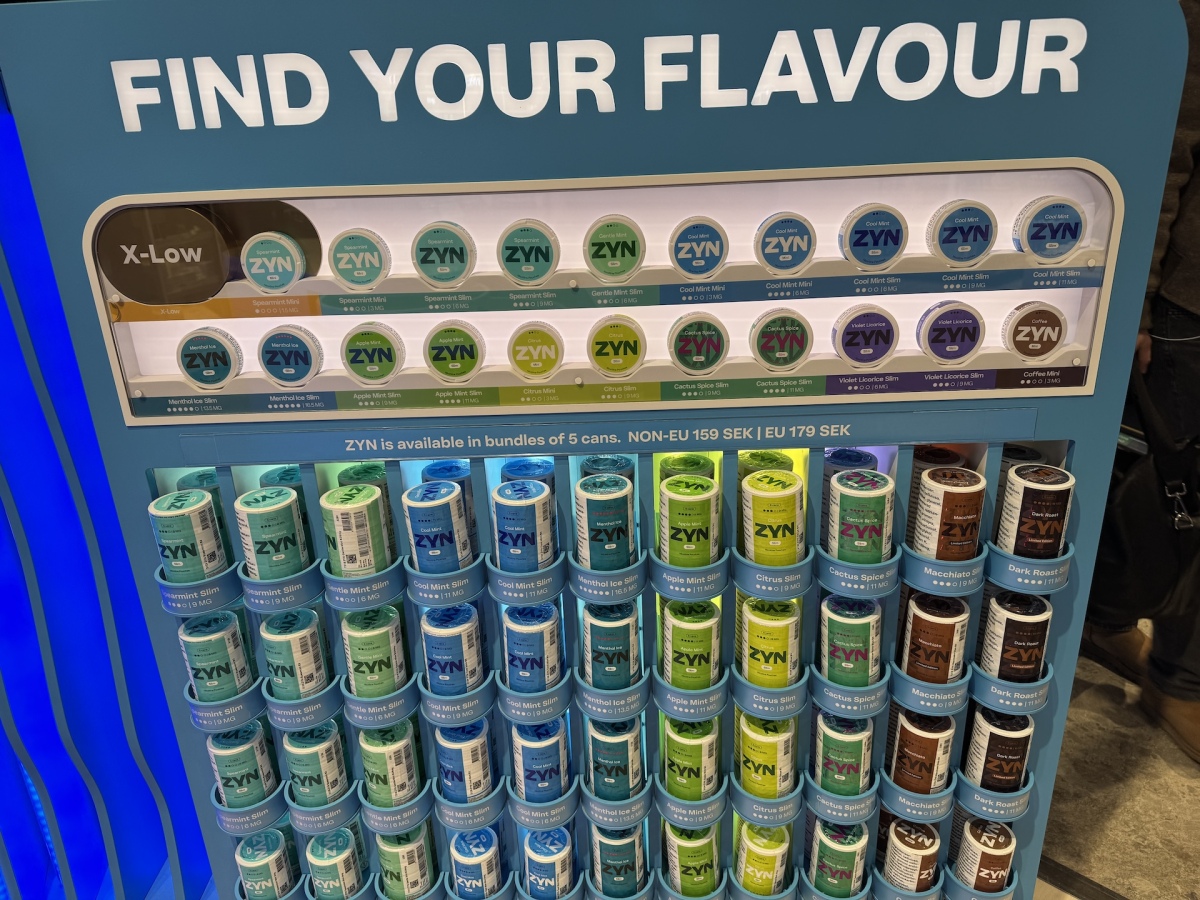
Several factors, such as the increasing social acceptance of electronic cigarettes, the continuous improvement of electronic cigarette devices, the surging demand for tobacco cigarette alternatives, rapid technological advancements, and ongoing product innovation, are expected to drive the development of the electronic cigarette market, with a projected compound annual growth rate of 9.2% for the forecast period of 2020-2030. According to data from P&S Intelligence, market revenues are expected to increase from $15.7 billion in 2019 to $39 billion by 2030. In recent years, the expanding range of flavors has become a major market trend.
Today, the increasing acceptance of electronic cigarettes is driving demand for their products, as they do not release toxic substances. Because tobacco-based cigarettes emit smoke, some governments have taken multiple measures to ban smoking in certain public places. Through these bans, governments aim to create a greener and more sustainable environment. Additionally, increasing public awareness of environmental and human health concerns is likely to drive global demand for electronic cigarettes.
In addition, the widespread availability of e-cigarettes through various distribution channels is expected to fuel global growth in the e-cigarette market. Currently, e-cigarette manufacturers sell and promote their products through dedicated stores, kiosks in grocery and retail stores, and outlet centers that offer e-cigarette experiences similar to those of clubs. These stores are seeing an influx of traditional smokers who can use a variety of flavors and e-cigarette products. The e-cigarette market is segmented by age group: 16-24, 25-34, 35-44, 45-54, 55-65, and 65+. In this market, the 16-24 age group had the largest market share in 2019, as modular e-cigarettes designed for young people became popular. Market participants are designing social media campaigns, such as #JUULing, to target this tech-savvy demographic. Currently, e-cigarette market participants are focused on product launches to stay ahead of competitors. For example, in March 2019, Japan Tobacco Inc. released two new flavors of tobacco capsules for its Ploom TECH brand: Pianissimo Aria Menthol and Pianissimo Pineapple Peach Yellow Cooler. Other market participants tracking these strategic moves include British American Tobacco, MCIG Inc., FIN Branding Group LLC, MadVapes LLC, Philip Morris International Inc., Shenzhen iSmoka Electronics Co. Ltd., Altria Group Inc., Smoker Friendly International LLC, and Innokin Technology Co. Ltd.
According to regional analysis, Europe held the largest share of the e-cigarette market in 2019, with the UK, Netherlands, Germany, Spain and Italy generating the highest revenue. This can be attributed to the increasing popularity of e-cigarette shop culture in the region. Looking ahead, the North American market is expected to experience rapid growth due to declining popularity of traditional cigarettes and the increasing prevalence of e-cigarette products among young Americans. This is expected to drive market growth.
Statement:
This article is compiled from third-party information for industry communication and learning purposes only.
The views expressed in this article do not reflect the opinions of 2FIRSTS and we are unable to confirm the accuracy and authenticity of its content. This article has been compiled for the sole purpose of industry discussion and research.
Due to limitations in translation abilities, the translated article may not accurately convey the same expression as the original text. Therefore, please refer to the original text for accuracy.
2FIRSTS is fully in line with the Chinese government's statements and positions on any domestic, Hong Kong, Macao, Taiwan, or international issues.
The compilation of information is the property of the original media and author. If there is any infringement, please contact us to request removal.
Disclaimer
This article is provided solely for professional research, industry discussion, and informational purposes. Any references to brands, companies, products, technologies, or policies are made for factual reporting and analytical purposes only, and do not constitute endorsement, recommendation, promotion, or advertising by 2Firsts.
Nicotine-containing products, including but not limited to cigarettes, e-cigarettes, heated tobacco products, and nicotine pouches, carry significant health risks. Readers are responsible for complying with all applicable laws and regulations in their respective jurisdictions, including age restrictions and access limitations.
The information contained in this article should not be regarded as investment, legal, medical, regulatory, or commercial advice. While 2Firsts strives to ensure the accuracy and reliability of its content, it does not assume liability for any direct or indirect loss arising from errors, omissions, inaccuracies, or reliance on the information contained herein.
This article is not intended for individuals below the legal age for accessing tobacco or nicotine-related information in their jurisdiction.
Copyright Notice
This article is either original content produced by 2Firsts or content reproduced, translated, summarized, or adapted from third-party sources with attribution where applicable. The intellectual property rights of the original content remain with 2Firsts or the respective original rights holders.
No individual or organization may copy, reproduce, distribute, republish, modify, translate, or otherwise use this content without prior authorization. Any unauthorized use may result in legal action.
For copyright-related inquiries, corrections, or removal requests, please contact: info@2firsts.com.
AI-Assisted Translation and Editing Notice
Portions of this article may have been translated, edited, or reviewed with the assistance of artificial intelligence tools to improve efficiency and readability. Due to the limitations of AI-assisted translation and editing, discrepancies, omissions, or inaccuracies may exist when compared with the original source.
Where applicable, readers are advised to refer to the original source for the most complete and accurate information. If you identify any errors or believe that any content infringes upon your rights, please contact us at info@2firsts.com, and we will review and address the matter promptly.