High Cardiac Risk of E-cigarettes: Russian Expert

Industry Insight by 2FIRSTS.ai
Dec.06.2023
High Cardiac Risk of E-cigarettes: Russian Expert
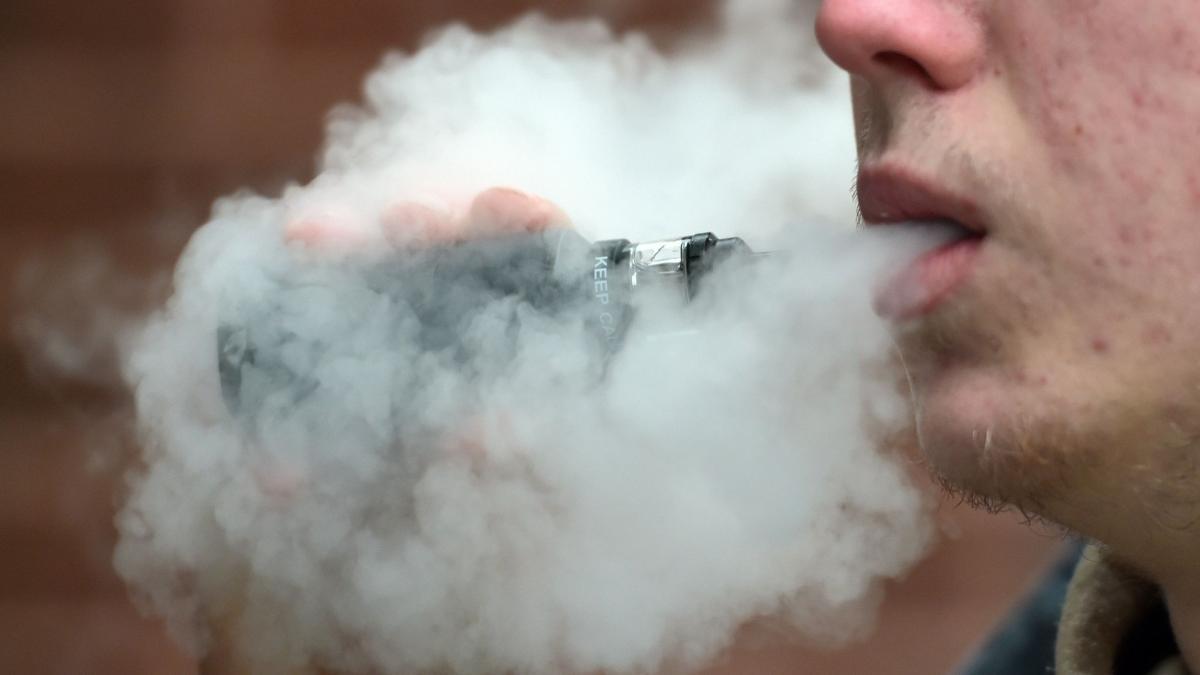
E-cigarette use increases cardiovascular disease risk, raises the chance of heart attacks and strokes by 56% and 33% respectively, warns Russian expert.

According to recent news from A42.RU, Dr. Aleksey Alekseyevichkov, head of cardiology at Kuzbass, Russia, and a candidate for medical science, has stated that e-cigarettes are extremely harmful, including a significant increase in the risk of cardiovascular diseases.


He emphasized that e-cigarettes are more likely to cause heart disease and stroke compared to regular cigarettes, with users facing a 56% increased risk of heart attacks and a one-third increased risk of stroke.


According to Alekseyevko, e-cigarette use can lead to the loss of elasticity in blood vessel walls, affecting oxygen supply and making users more prone to symptoms such as irregular heartbeat, chest pain, and rapid heart rate. Additionally, toxic substances produced by e-cigarettes can increase the risk of blood clotting and arterial hardening, with higher risk observed among women.


We welcome news tips, article submissions, interview requests, or comments on this piece.

Please contact us at info@2firsts.com, or reach out to Alan Zhao, CEO of 2Firsts, on LinkedIn


Notice

1.  This article is intended solely for professional research purposes related to industry, technology, and policy. Any references to brands or products are made purely for objective description and do not constitute any form of endorsement, recommendation, or promotion by 2Firsts.

2.  The use of nicotine-containing products — including, but not limited to, cigarettes, e-cigarettes, nicotine pouchand heated tobacco products — carries significant health risks. Users are responsible for complying with all applicable laws and regulations in their respective jurisdictions.

3.  This article is not intended to serve as the basis for any investment decisions or financial advice. 2Firsts assumes no direct or indirect liability for any inaccuracies or errors in the content.

4.  Access to this article is strictly prohibited for individuals below the legal age in their jurisdiction.


Copyright


This article is either an original work created by 2Firsts or a reproduction from third-party sources with proper attribution. All copyrights and usage rights belong to 2Firsts or the original content provider. Unauthorized reproduction, distribution, or any other form of unauthorized use by any individual or organization is strictly prohibited. Violators will be held legally accountable.

For copyright-related inquiries, please contact: info@2firsts.com


AI Assistance Disclaimer


This article may have been enhanced using AI tools to improve translation and editorial efficiency. However, due to technical limitations, inaccuracies may occur. Readers are encouraged to refer to the cited sources for the most accurate information.

We welcome any corrections or feedback. Please contact us at: info@2firsts.com

PMI Faces Setback in India: Global Regulatory Fragmentation Complicates Its Smoke-Free Transition
India has reaffirmed its 2019 ban on e-cigarettes and heated tobacco devices, effectively blocking Philip Morris International (PMI) from launching IQOS in the country despite years of lobbying. Together with Taiwan, China’s conditional opening of heated tobacco products, and Japan’s planned 2026 excise tax hikes, these moves highlight increasingly divergent national regulatory pathways—an external uncertainty shaping PMI’s smoke-free growth trajectory.
Feb.12
Arizona Moves to Tighten Vape Supply-Chain Enforcement, Targeting Illicit Products
Arizona state Sen. Shawnna Bolick introduced SB 1397 to curb illicit vapes by tracing product origins, intercepting illegal shipments, and cracking down on retailers that violate state law. The proposal would require manufacturers to hold a state license to sell in Arizona, with fines up to $10,000 for unlicensed sales.
Jan.30 by 2FIRSTS.ai
FDA Highlights Product Characterization as a Foundational Requirement in ENDS PMTA Reviews
During its ongoing PMTA roundtable, FDA emphasized that product characterization is a foundational element in the review of electronic nicotine delivery systems (ENDS). The agency underscored the need for complete product identifying information, validation and verification of test methods on the specific product type, and the appropriate use of tobacco product master files (TPMFs) to support complex or proprietary ingredients in PMTA submissions.
Feb.10
China to Cancel VAT Export Rebates on E-Cigarette Products from April 1, 2026
China’s Ministry of Finance and State Taxation Administration have announced adjustments to export tax rebate policies, placing nicotine-containing non-combustible inhalation products within the scope of items subject to rebate cancellation. The measures will take effect from April 1, 2026.
Regulations
Jan.10
BAT says a U.S. import block on some disposable vapes could cut illegal sales by about a third
Reuters reported that British American Tobacco (BAT) CEO Tadeu Marroco said a potential U.S. move to block imports of some disposable vapes could reduce the market for unregulated e-cigarettes by as much as a third, though any impact is unlikely before 2027.
Feb.13 by 2FIRSTS.ai
Authorities in Kazakhstan Seize Over 53,000 Illegal Vape Products in Pavlodar
Kazakhstan’s Financial Monitoring Agency in Pavlodar Region has concluded an investigation into an organised group involved in the illegal sale of vaping products. The group operated through three Telegram-based online shops and used courier delivery services. Authorities seized more than 53,000 items, with a total value exceeding 400 million tenge. The investigation found that students were the primary consumers. Four suspects have been placed in custody and multiple assets have been seized.
Dec.25 by 2FIRSTS.ai