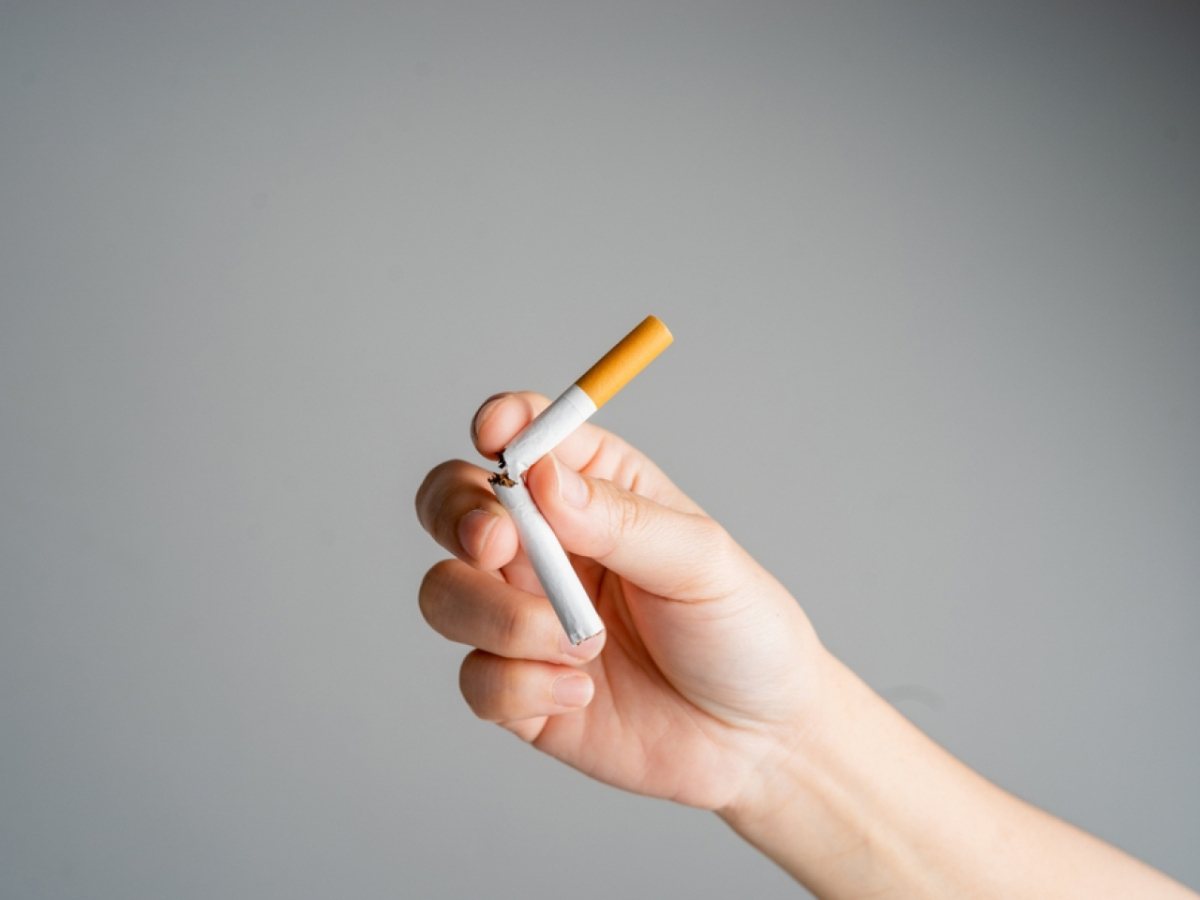
According to a report on Hong Kong Radio website on February 1st, the Hong Kong Smoking and Health Committee has stated that if the government is to achieve its target of a smoking rate of 7.8% by 2025, it should take ultimate action against tobacco. The definition of ultimate action is to cease the commercial use of tobacco and nicotine. This ultimate action has already been implemented in countries such as the UK, New Zealand, and Malaysia.
Henry Tong, chairman of the committee, stated, "Our committee's recommendation is that by 2030, the smoking rate in Hong Kong should be reduced to 5%. From then on, the government can take steps towards achieving a completely smoke-free Hong Kong.
In a radio program called "Hong Kong Today" on Hong Kong Radio, Tong expressed his intention to increase tobacco taxes in the upcoming budget. He stated that "currently, tobacco taxes in Hong Kong account for about 64% of the retail price, which is insufficient. The World Health Organization recommends that tobacco taxes should account for 75% of the retail price of tobacco products. Therefore, we propose that the Financial Secretary increase tobacco taxes to at least 75% of the retail price of cigarettes. This would help reduce the smoking rate in Hong Kong from approximately 9.5% to 8.8%.
Other measures proposed by Tong include expanding smoke-free areas to reduce secondhand smoke, banning flavors that appeal to women and young smokers, such as menthol, and increasing the warning labels on cigarette packaging from the current 85% to 100%. He also called for stricter enforcement by law enforcement agencies to combat cigarette smuggling.
We welcome news tips, article submissions, interview requests, or comments on this piece.
Please contact us at info@2firsts.com, or reach out to Alan Zhao, CEO of 2Firsts, on LinkedIn
Notice
1. This article is intended solely for professional research purposes related to industry, technology, and policy. Any references to brands or products are made purely for objective description and do not constitute any form of endorsement, recommendation, or promotion by 2Firsts.
2. The use of nicotine-containing products — including, but not limited to, cigarettes, e-cigarettes, nicotine pouchand heated tobacco products — carries significant health risks. Users are responsible for complying with all applicable laws and regulations in their respective jurisdictions.
3. This article is not intended to serve as the basis for any investment decisions or financial advice. 2Firsts assumes no direct or indirect liability for any inaccuracies or errors in the content.
4. Access to this article is strictly prohibited for individuals below the legal age in their jurisdiction.
Copyright
This article is either an original work created by 2Firsts or a reproduction from third-party sources with proper attribution. All copyrights and usage rights belong to 2Firsts or the original content provider. Unauthorized reproduction, distribution, or any other form of unauthorized use by any individual or organization is strictly prohibited. Violators will be held legally accountable.
For copyright-related inquiries, please contact: info@2firsts.com
AI Assistance Disclaimer
This article may have been enhanced using AI tools to improve translation and editorial efficiency. However, due to technical limitations, inaccuracies may occur. Readers are encouraged to refer to the cited sources for the most accurate information.
We welcome any corrections or feedback. Please contact us at: info@2firsts.com