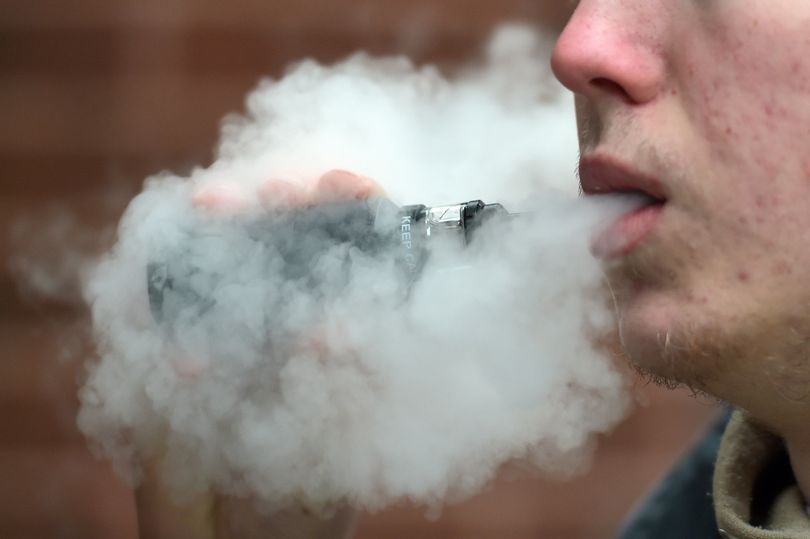
Two businesses in Oxfordshire have been sued for selling disposable e-cigarettes to children. During a committee investigation, e-cigarette stores and supermarkets were found to have sold e-cigarettes to 16-year-old children. The sources of the article are cited as Oxfordshire Live.
According to the trading standards service of the Oxfordshire County Council, electronic cigarettes, also referred to as "Puff" or "Vape pens," were sold to test purchasers in March of this year. The legal age limit for the sale of electronic cigarettes is 18 years or older.
Didcot Vaping Company, which operates under the name Didcot Vaping Store, has admitted to selling an electronic cigarette to a child and has been fined £666. The company has also been ordered to pay £67 victim surcharge and the council's full costs of £2,124.
Jahngeer Hanif, aged 42, has admitted to the same offences at the Wide Street supermarket in Banbury and has been fined £600. He is required to pay an additional fee of £60 to the victim and a donation of £1,000 to cover parliamentary costs.
The council has announced that a third company will appear in court in January 2023 for selling e-cigarettes to children. It is also accused of selling e-cigarettes that do not meet UK packaging standards and has previously received warnings regarding its products.
Oxfordshire's goal is to become one of the first smoke-free counties in England by 2030, which means that less than one person in every 20 will still be smoking.
According to Jenny Hannaby, a member of the Community Services and Safety Cabinet in Oxfordshire County Council, "E-cigarettes are not risk-free. It is important that those who want to try using them to quit smoking have access to these products, as they are one of the most effective methods of support to quit smoking. However, while e-cigarettes pose only a small fraction of the risks of traditional cigarettes, they are not risk-free products, and we do not encourage young people who have never smoked to use them.
Many retailers in Oxfordshire are putting in a great deal of effort to train their staff and implement related systems in order to prevent the sale of age-restricted products to children under 18. Anyone who expressly states that they sell age-restricted products but fails to ensure that proper precautionary measures are taken should be aware of the consequences that could ensue if they have not passed such tests.
Jodie Kerman, the trade standards officer for Oxford County Council, added: "Before carrying out this test purchasing exercise, we visited all the businesses about to be tested to provide advice on preventing underage sales. These visits also led to the discovery of thousands of illegal disposable e-cigarettes, which were removed from shelves. We are now working with retailers to ensure that any equipment in their future stock complies with legal requirements.
Statement:
This article is compiled from third-party information and is intended for industry communication and learning purposes only.
This article does not reflect the views of 2FIRSTS, and 2FIRSTS cannot confirm the authenticity and accuracy of its content. The translation of this article is intended solely for industry communication and research purposes.
Due to limitations in translation proficiency, the translated article may not fully reflect the original text. Please refer to the original article for accuracy.
2FIRSTS maintains complete alignment with the Chinese government on any domestic, Hong Kong, Macau, Taiwan, and foreign-related statements and positions.
The copyright of compiled information belongs to the original media and author. If there is any infringement, please contact us for deletion.
Disclaimer
This article is provided solely for professional research, industry discussion, and informational purposes. Any references to brands, companies, products, technologies, or policies are made for factual reporting and analytical purposes only, and do not constitute endorsement, recommendation, promotion, or advertising by 2Firsts.
Nicotine-containing products, including but not limited to cigarettes, e-cigarettes, heated tobacco products, and nicotine pouches, carry significant health risks. Readers are responsible for complying with all applicable laws and regulations in their respective jurisdictions, including age restrictions and access limitations.
The information contained in this article should not be regarded as investment, legal, medical, regulatory, or commercial advice. While 2Firsts strives to ensure the accuracy and reliability of its content, it does not assume liability for any direct or indirect loss arising from errors, omissions, inaccuracies, or reliance on the information contained herein.
This article is not intended for individuals below the legal age for accessing tobacco or nicotine-related information in their jurisdiction.
Copyright Notice
This article is either original content produced by 2Firsts or content reproduced, translated, summarized, or adapted from third-party sources with attribution where applicable. The intellectual property rights of the original content remain with 2Firsts or the respective original rights holders.
No individual or organization may copy, reproduce, distribute, republish, modify, translate, or otherwise use this content without prior authorization. Any unauthorized use may result in legal action.
For copyright-related inquiries, corrections, or removal requests, please contact: info@2firsts.com.
AI-Assisted Translation and Editing Notice
Portions of this article may have been translated, edited, or reviewed with the assistance of artificial intelligence tools to improve efficiency and readability. Due to the limitations of AI-assisted translation and editing, discrepancies, omissions, or inaccuracies may exist when compared with the original source.
Where applicable, readers are advised to refer to the original source for the most complete and accurate information. If you identify any errors or believe that any content infringes upon your rights, please contact us at info@2firsts.com, and we will review and address the matter promptly.